“Wednesday Writer” – Teresa Hirst

It’s nice to be able to interview an author of non-fiction now and then, and I’m very excited to share what I’ve learned about inspirational writer, Teresa Hirst, today. She recently wrote and published a book on using financial crises to build faith, based on the experiences of her own family.
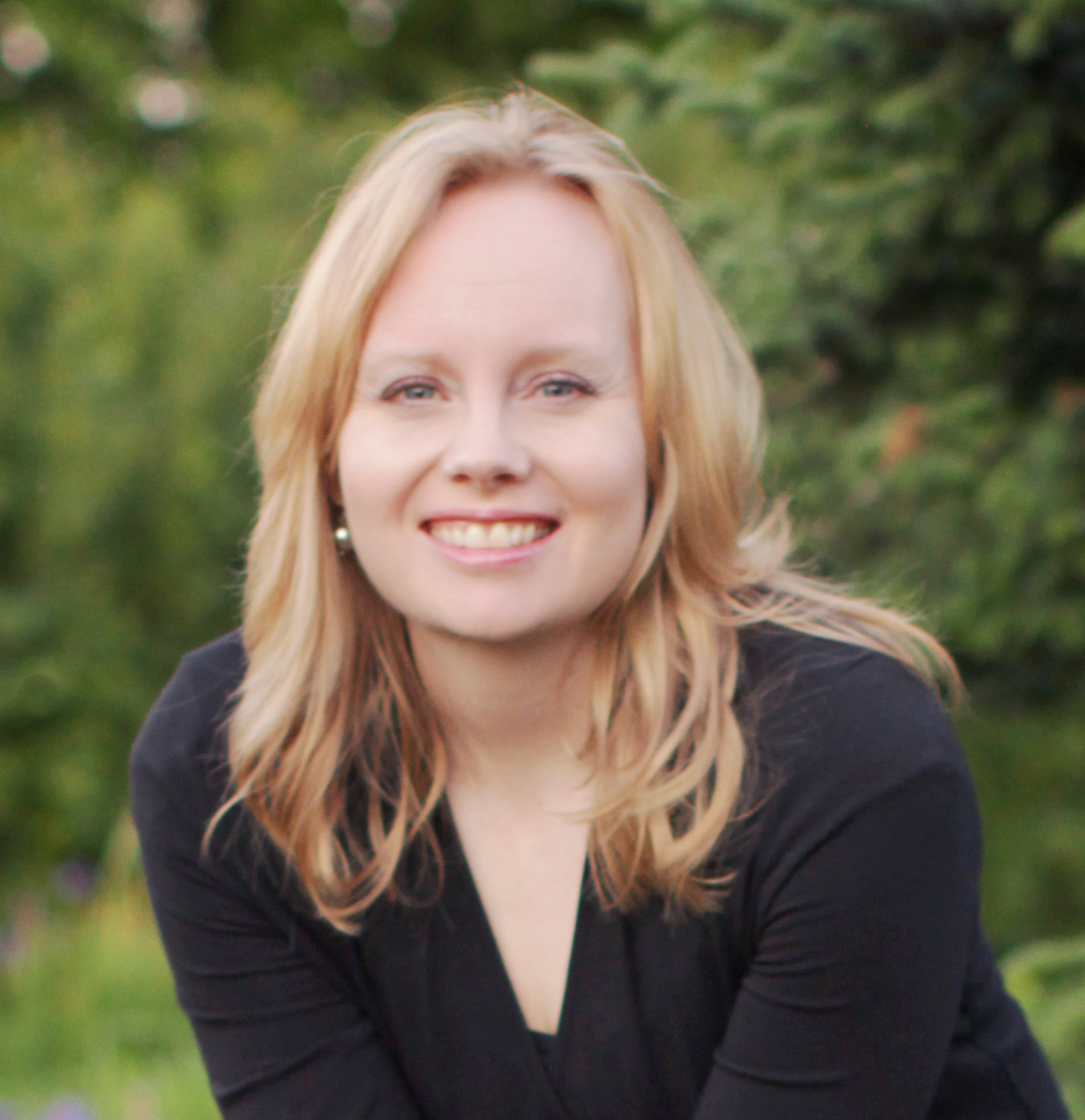
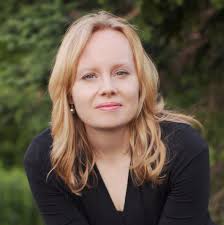
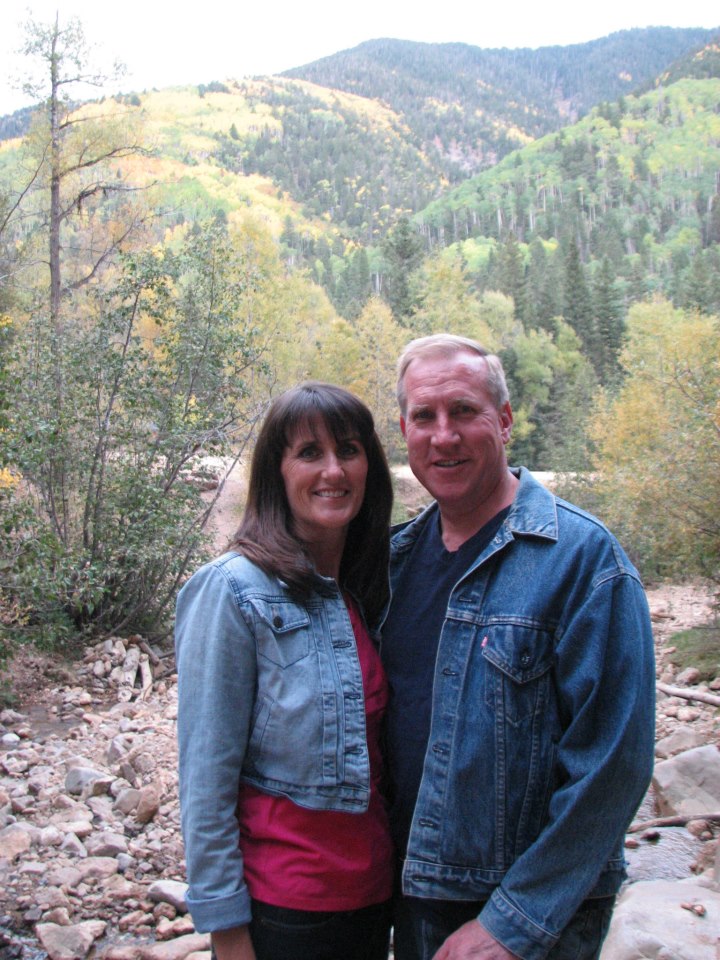
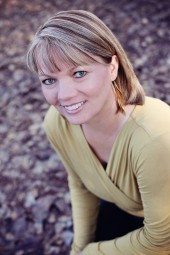
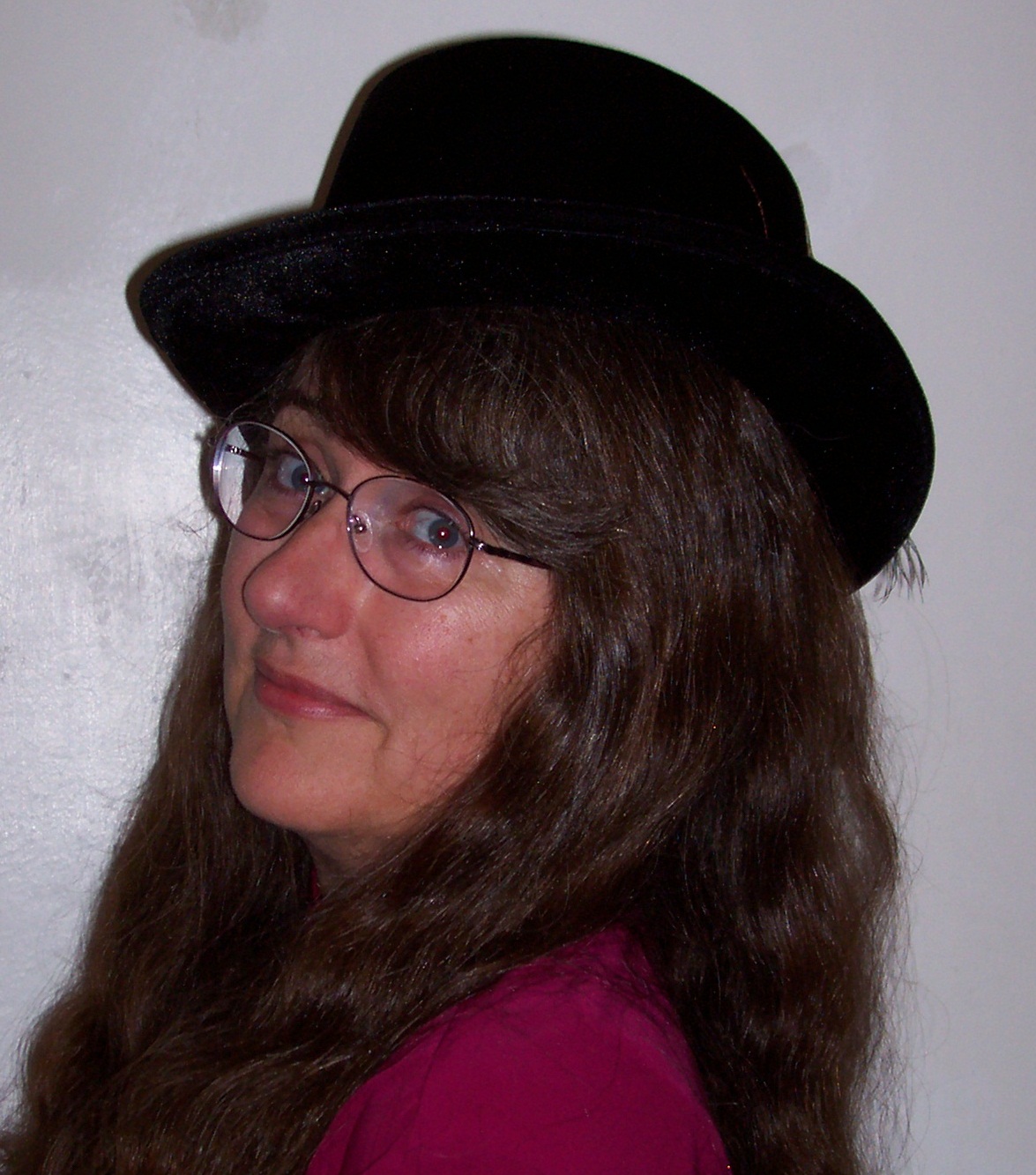
TeresaHirst4

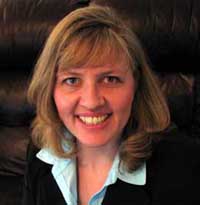
(Photo of Teresa, courtesy of Tammie Olson Photography)

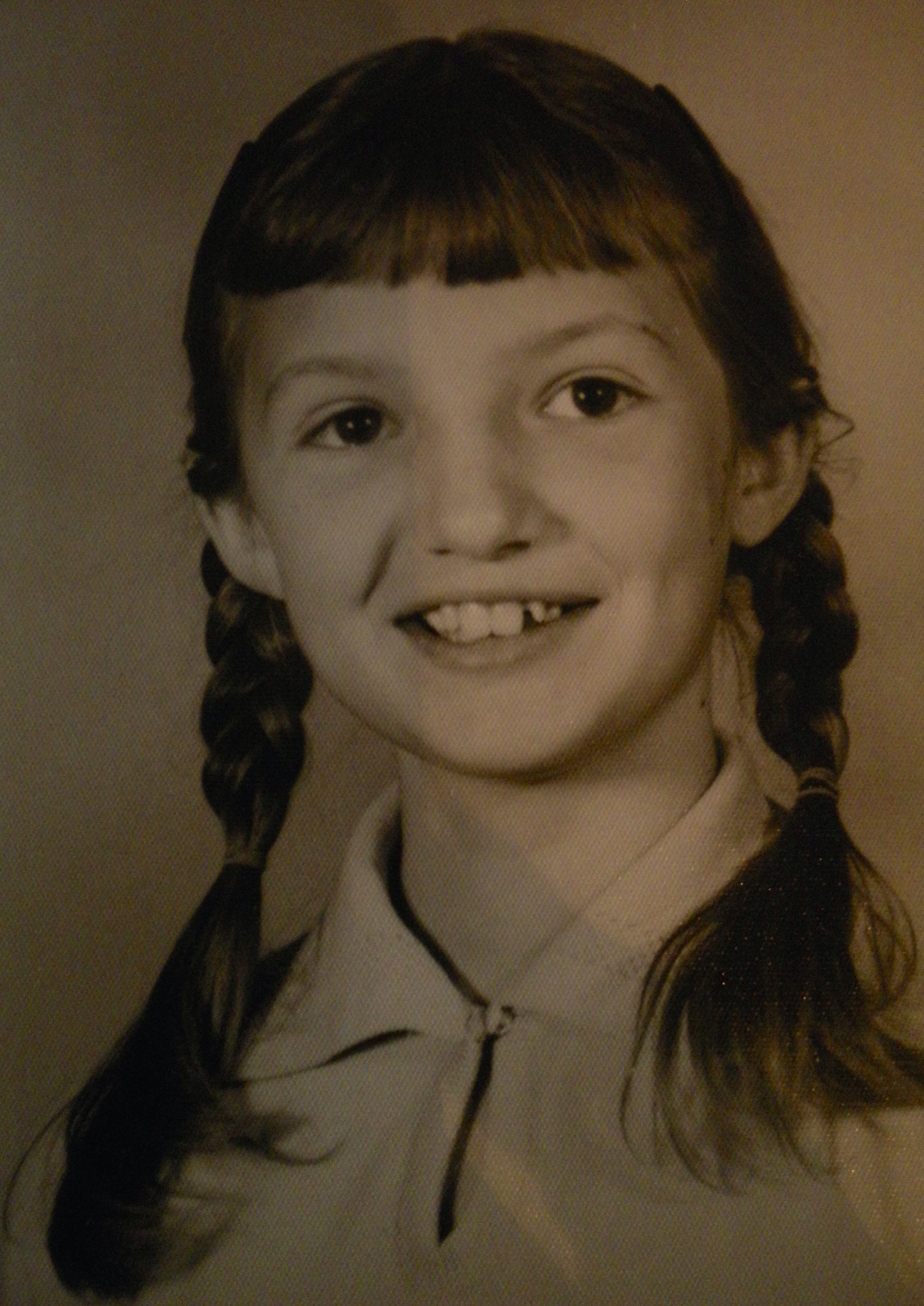
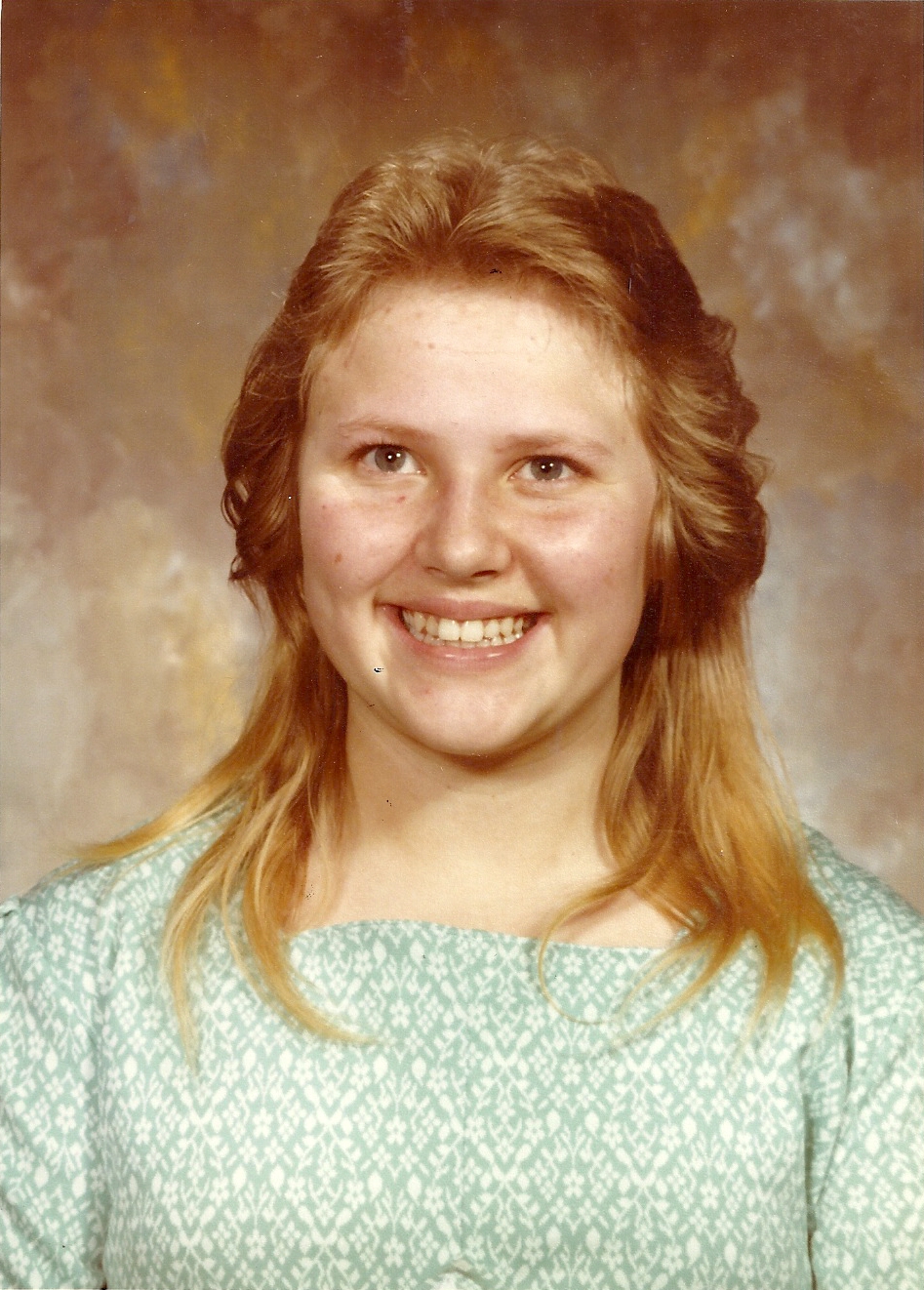
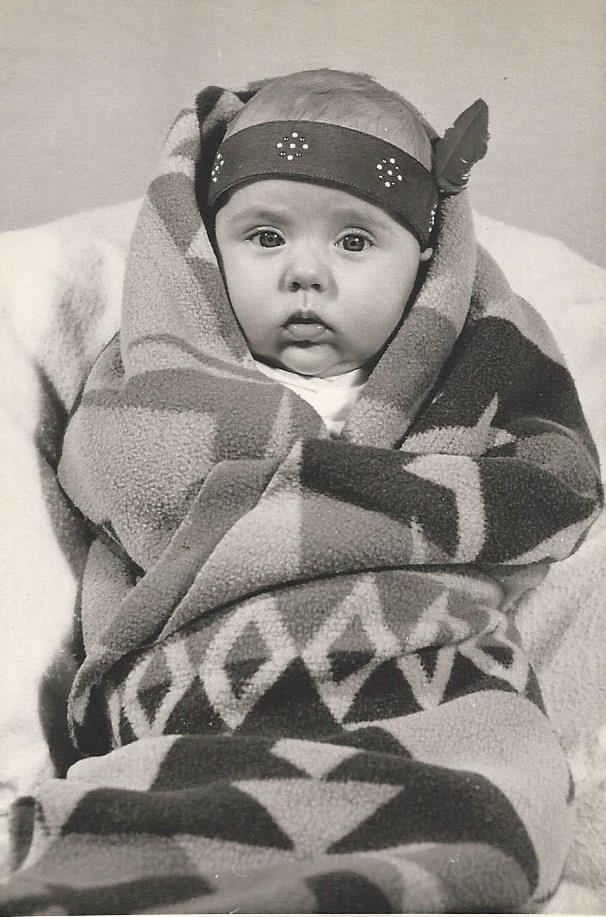
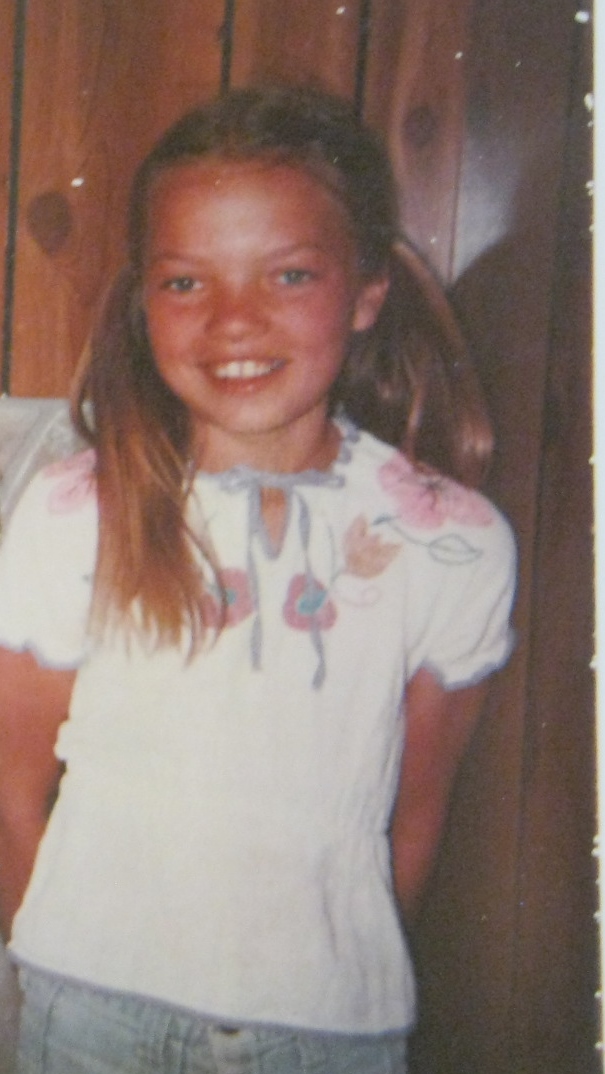
ME:  You talk about having had a Harriet the Spy persona as you grew up in the Midwest. Would you care to elaborate, and what was it about the Midwest that brought that side out of you? (I’d like to post a photo of you as a child, preferably in Harriet the Spy mode.)

TERESA:  I spent the summers of my childhood in St. Charles, Missouri, where this town on the outskirts of St. Louis hadn’t yet exploded into suburbia. I spent my pre-teen summers reading my weekly load of 10-20 books (including Harriet the Spy by Louise Fitzhugh) from the library or scouring the neighborhood or the woods behind our house for adventure.
Harriet the Spy 2

My sister and I broke up the monotony of summer days with our own versions of spying on the neighbors in their yards from the best vantage points in our garage. We even marked the spot with a piece of tape. We loved watching how other families and friends lived, although always from a distance. Unlike Harriet, these “characters” didn’t show up in my notebooks or stories, only in an unforgettable nightmare in which one neighbor chased me into the woods with a baker’s hat on his head. (How funny! :D)

My interest in people expanded into a more refined hobby when I discovered how to have conversations from reading an old copy of How to Win Friends and Influence People by Dale Carnegie from my parents’ bookshelf.

(I remember that one . . . required reading for all Communications majors at BYU)
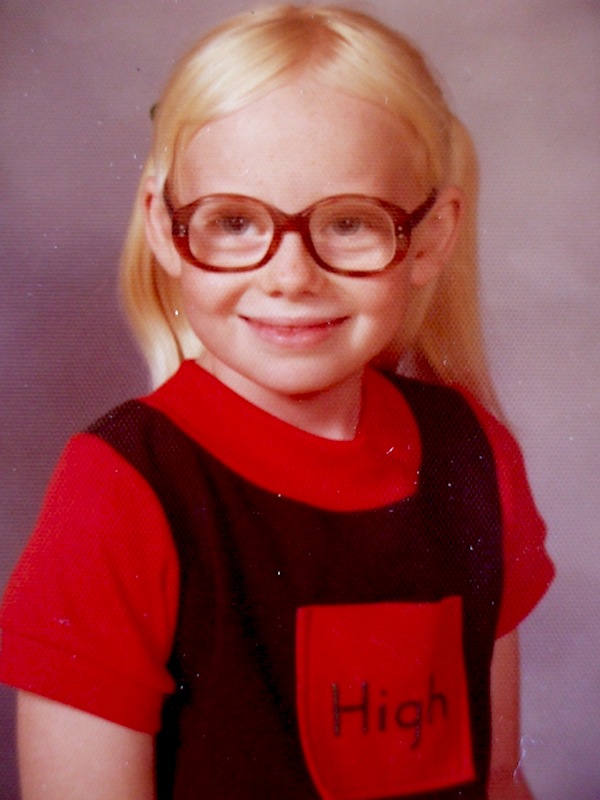
Teresa in 2nd grade small(And here’s Teresa in 2nd Grade…what a cutie!)

ME:  Did anything happen to you in your childhood that helped prepare you for the unexpected financial struggle you and your husband faced years later that you address in your inspirational book, TWELVE STONES TO REMEMBER HIM?

TERESA:  In my teen years, we moved closer into the west county suburbs of St. Louis. As a large Mormon family living a frugal lifestyle in the middle of a well-off community, I always felt like the outsider. We didn’t have a cleaning lady or expensive clothes like our friends.

In a teenage reaction to that, I spent a lot of time imagining what my future would look like in a material sense.

When my husband was in architecture school and we didn’t have any money, I did laundry at my mom’s and grilled her about how to live frugally and still live well. Our dreams then were planning the house we would build for our family someday. As we matured as a family, we carefully chose material and physical surroundings to enhance who we were—our Finnish and Danish heritage, our faith and our design aesthetic. Eventually we built a home that was thoroughly us.

To be able to afford to do this, we still lived providentially on the lessons I learned from my parents and didn’t spend frivolously. However, when the economy fell, our industry and community fell further than others. As a result, I had to slowly let go of all the material things that I thought defined who we were. The last of those was our home.

It seems obvious to say that our material things—even basics like clothes, transportation, shelter—do not define us, but that’s not the message we receive from the world or even people who surround us. And since my teenage years I’ve wrestled with that conflict. On this side of the financial crisis, though, I have a different perspective.

(If you’re interested, Teresa has written a post about what a home meant to her, entitled “Building Our Souvenir Home.”)

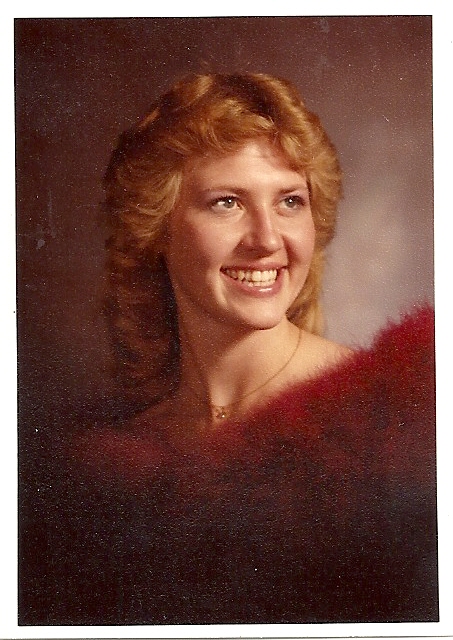
ME:  You must have felt you could write by the time you got through high school, since you went on to major in Journalism at BYU. When did you first recognize your ability with words, what made you recognize it, and who helped you to realize it?

TERESA:  I wrote a lot in high school, but it was mostly sappy poetry that seemed at the time to have great metaphorical depth and meaning. (I think we’ve all been there. :D)

When I started college I actually planned to pursue my creativity with an advertising emphasis in the communications department at BYU. After my first year, when I discovered I had more passion for people than products, I shifted toward journalism to pursue a more writing-focused emphasis.

I had two memorable professors at BYU whose lessons have stayed with me.

Don Norton in the English Department nurtured usage and writing skills of all sorts and taught me how to apply them to different types of writing and communication, including personal essays.

Don-Norton-stands-next-to-a-collection-of-taped(Professor Norton)

John Hughes in the Communications Department, a gifted professional editor and journalist who taught an advanced reporting class, gave me a vision of the larger world, which expanded the issues and topics of my writing. He chose me to be a group leader in that class, and his confidence in my skills helped me rise to that and other opportunities.
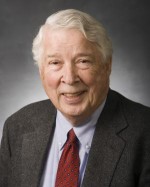
comms_hughes_john-150x187(Professor Hughes)

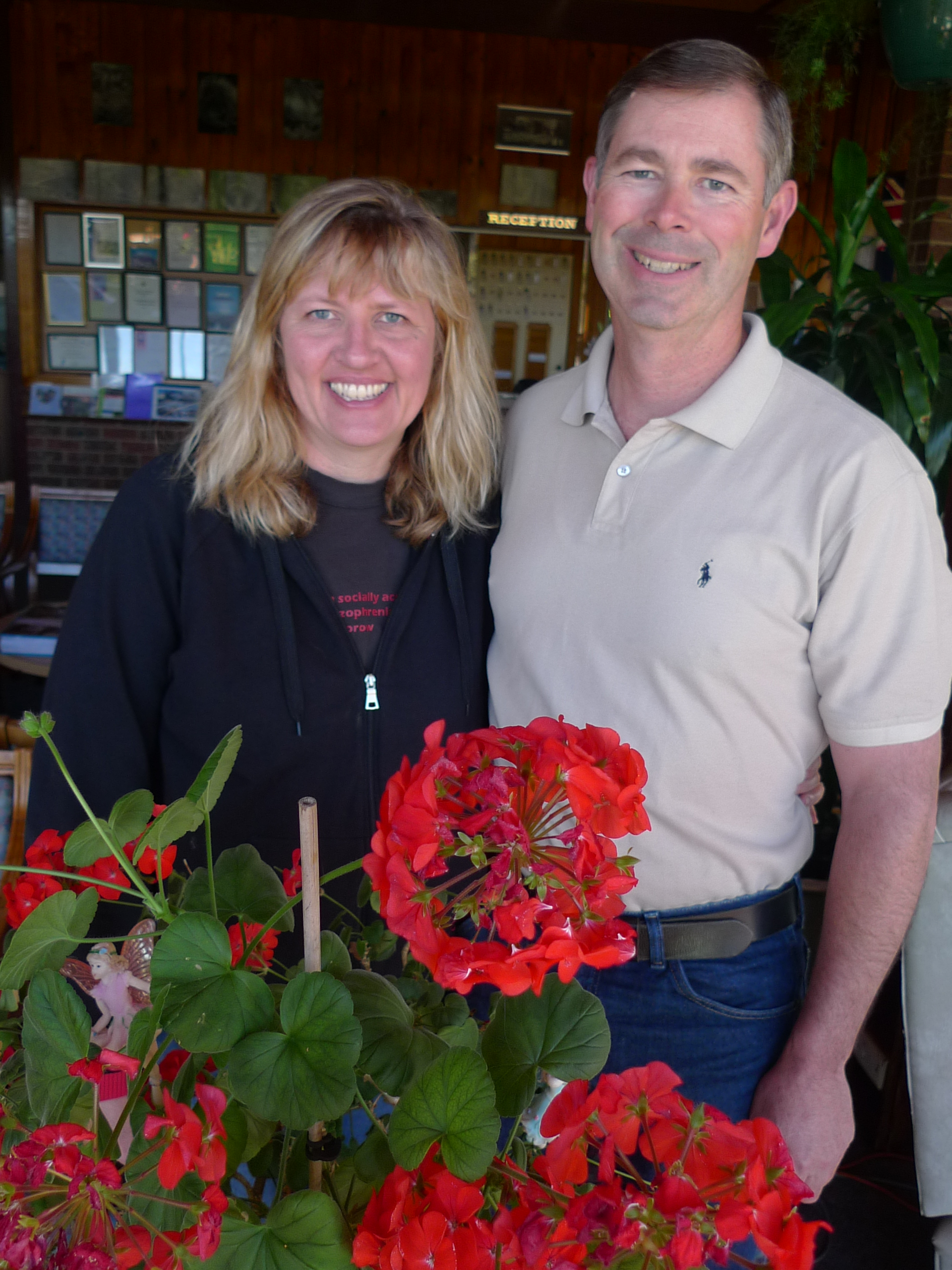
Today my husband Paul, more than anyone, propels me to develop, and encourages me in my writing.

(I’ll show a picture of him in a bit.)

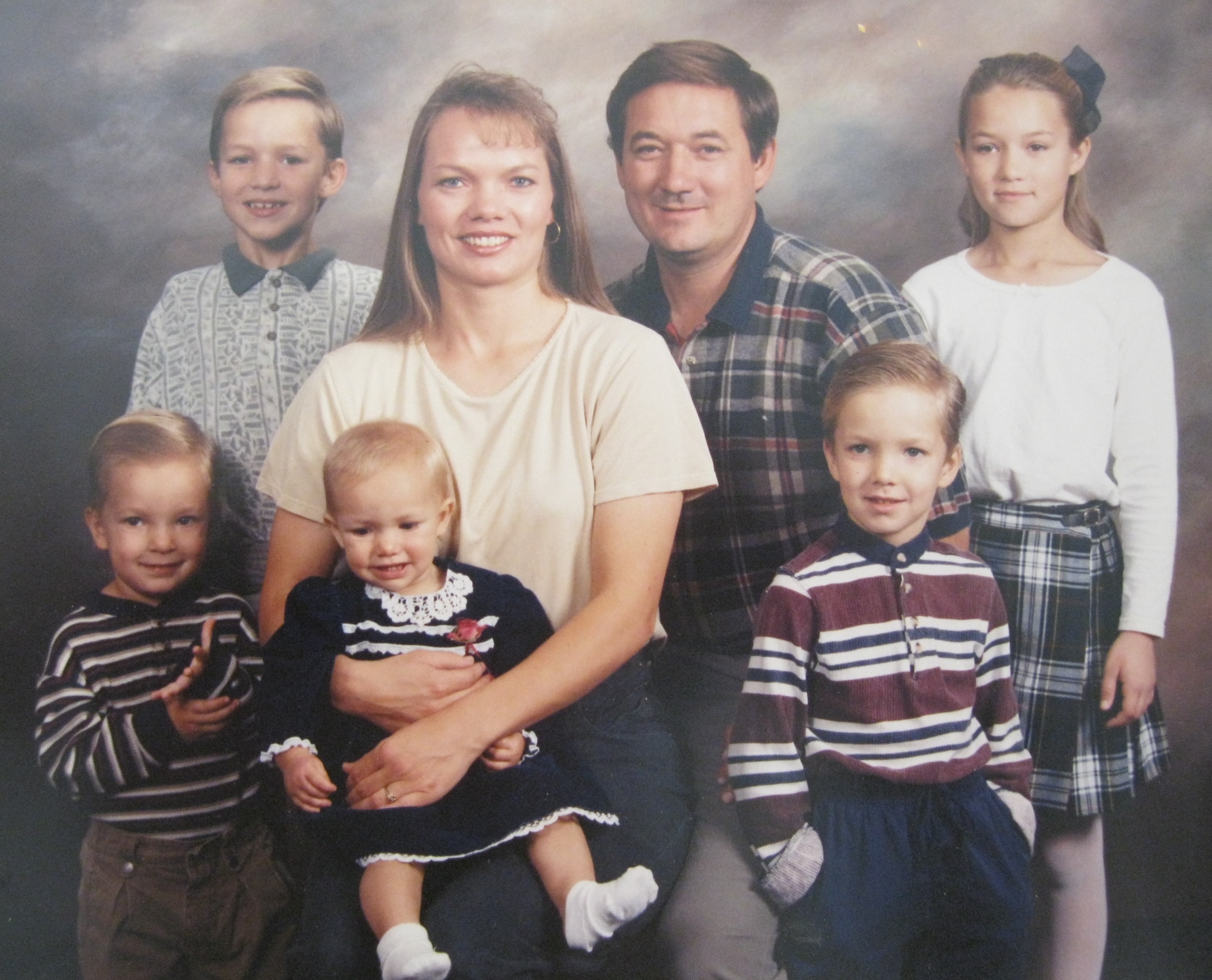
ME:  So, once you graduated from BYU and were married, did you keep writing or did you put it on the back burner while raising your kids? Tell us about those years and how you kept your gift alive. (I’d love to post a picture of you and your family.)

TERESA:  I graduated from BYU in 1994 when I was 38 weeks pregnant with my first child. I loved being a mom, and turned to reading and writing personal history as a hobby that first year. After that, I took on some freelance editing and writing projects on a very limited basis—some paid, some volunteer work.

After my third child was a year old, I moved out of my mom-only world and applied and was appointed to the newspaper advisory board for our local daily newspaper. In that role, my opinions developed, and I contributed some editorial writing to the newspaper. Meanwhile, I applied my writing skills to every responsibility I had at church and always seemed to be in charge of producing a newsletter. (Yes, they discover us pretty quickly, don’t they?)

In January 2008, when all my children where busy in school, I started blogging regularly and redeveloped my professional writing skills through a number of biographical interviews that I published in various places. Two years later, I was assigned to LDS public affairs for our stake and have written a large number of news releases or articles for that responsibility. (Another experience we share.)

I did work full-time for a newspaper for two years as a result of the recession. Rather than writing there, I worked in a public relations role to organize and promote the newspapers in education program.

At home I’ve always had a workstation set apart for my writing projects. When my children were little, I set up my desk right at the edge of their playroom. As school-age children, they had desks in a U-shape around mine. Now, as they are leaving the nest and the youngest ones are in high school, I’m still physically present as I write from home. When they are off doing their homework, socializing or working, writing is what I’m doing. When they are around, I can and do make myself available. I love that about working from home.
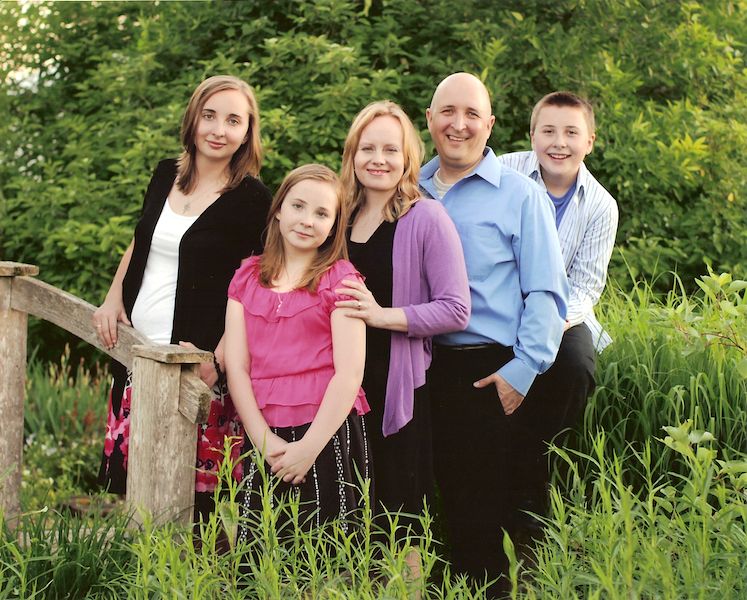
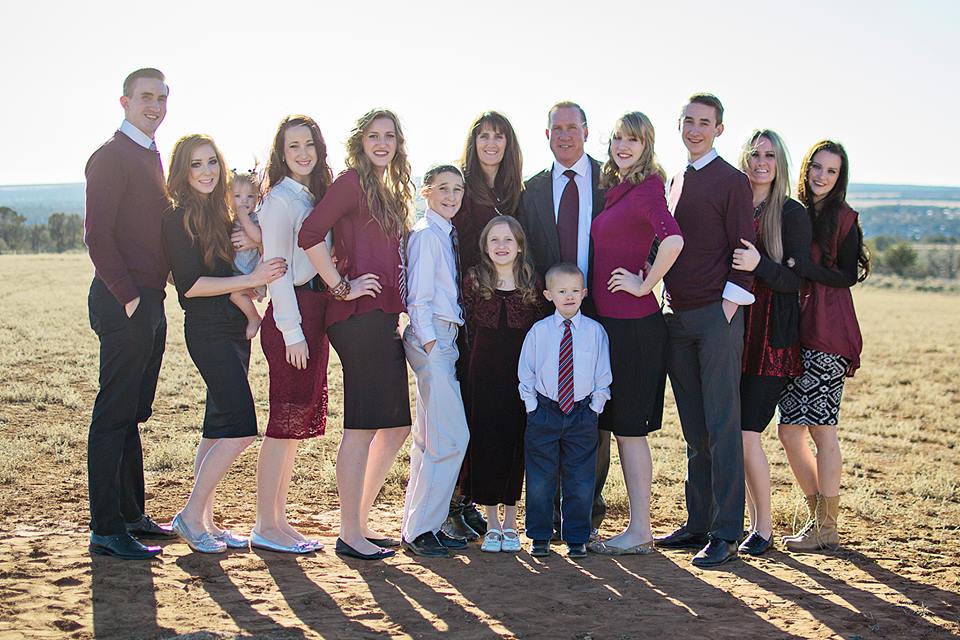
Hirst Family by Tammie Olson Photography small(Hirst Family by Tammie Olson Photography)

ME:  Please tell us the story behind your first non-fiction book, TWELVE STONES TO REMEMBER HIM: BUILDING MEMORIALS OF FAITH FROM FINANCIAL CRISIS. And how difficult was it to find a publisher?

TERESA:  I came across this story when I was teaching an early morning seminary class for the Church. The Lord commanded the children of Israel to build a memorial of twelve stones after they crossed the Jordan River. It was a physical reminder to them and their children that God sustained and protected them on their journey. His hand was over them.

The idea of applying this Bible story of the twelve stone memorial to modern day germinated in me for more than a year before I really knew where I wanted to take it. I wanted to do something about modern memorials as testaments of God, but I wasn’t sure what that meant. I heard a woman share her story of feeding a homeless man at McDonald’s even when they were trying to save money themselves. I recognized that, like me, others were trying to find faith-filled ways to cope with less during the recession. I realized that He was also sustaining us, like he had the children of Israel, as we applied our faith and trusted in Him. What did that mean and what did it look like?

(Here’s a link to a blog post she titled “Why Memorials?”)
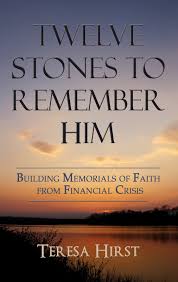
Twelve Stones

It is always challenging to find a traditional publisher. But when you have an LDS-focused work and something that is pretty time-specific, like this was to coincide with the Old Testament being taught in gospel doctrine in 2014, it is more of a challenge. My publisher, Walnut Springs Press, was actually reviewing a piece of fiction and asked if I had any non-fiction. I did, and we switched gears and focused on that.

ME:  Have you written and published other inspirational stories? If so, please tell us about them.

TERESA:  I published a short book about my father, David Jensen, serving in the Air Force during the Vietnam War and receiving the Distinguished Flying Cross. It’s available on Lulu.
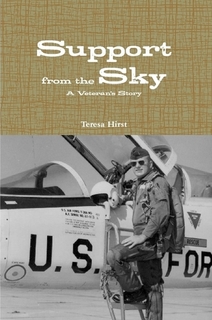
support from the sky

I wrote a series of blog posts based on interviews with Vicki Carlson, wife of Elder Bruce A. Carlson of the Second Quorum of the Seventy, when he was approaching retirement as an Air Force Four-Star General.

I wrote two articles for the LDS Church News, one about Elder Carlson’s retirement from the Air Force and one about the first LDS humanitarian missionaries in Macedonia and Kosovo.

Most everything I write at my blog, Illuminate Everyday, would be considered inspirational. A couple of my favorites are Filling in the Blank” and “Five Things I Love About Motherhood.”

ME:  Are you intent on sticking with non-fiction, or do you foresee a time when you might give fiction a try, and why or why not?

TERESA:  I actually wrote a novel before I wrote Twelve Stones to Remember Him, but the timing of publication for the nonfiction was more pressing. The novel is general women’s fiction and is called Flowers of Grace. I’m working through the publication process on that right now. (Terrific!)

ME:  Please describe the writing process you followed when you wrote TWELVE STONES TO REMEMBER HIM.

TERESA:  I began looking for stories of faith from the recession. I used my blog and social media to invite participation and sent to my contacts, seeking individuals they might know who would participate. I conducted the interviews throughout 2012.

An interview consisted of setting up an in-person or Skype interview, and conducting and recording the 60- to 90- minute interview. After the interview, I transcribed exactly what was said by both of us.

After the ninth or tenth interview, toward the end of the year, I saw patterns and common themes developing. I set up the last two interviews for the end of November and began grouping material with like topics—trust in God, gratitude, and patience—together. These and other topics became the twelve common stones of a representative memorial of faith that God had upheld, sustained, and strengthened these individuals despite their financial challenge.

At this point, I wove my own story into these, added scriptures and words of church leaders, wrote transitions and drew conclusions. I then wrote the introductory material to set the premise for the story of the twelve stones memorial, why we build memorials and how they can help our faith today.

Finally, I developed the concluding section as a way to apply these stories and show how a pattern of memorial building can help us through any trial or challenge. It’s a process to recognize God’s hand in our lives, receive from Him and others with gratitude, and recall these “memorials of faith” in times of need. I learned as I went along that, indeed, coming to know He is with us in our darkest hour and then drawing upon that knowledge is the key to always remembering Him.

ME:  What are you working on now, and what ideas do you plan to pursue for the future when it comes to writing?

TERESA:  I am working on a non-fiction LDS Christmas book and a sequel to Flowers of Grace.

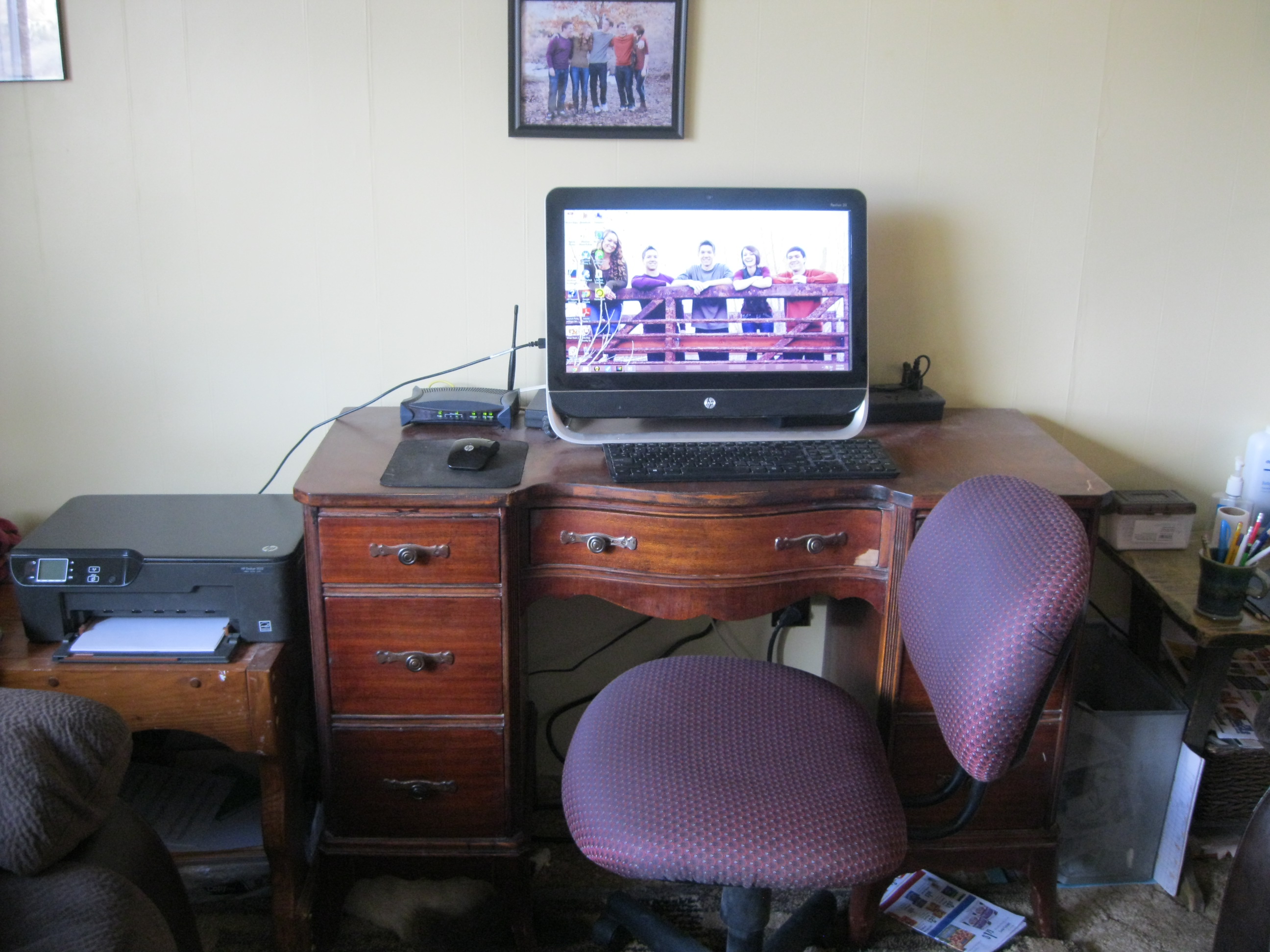
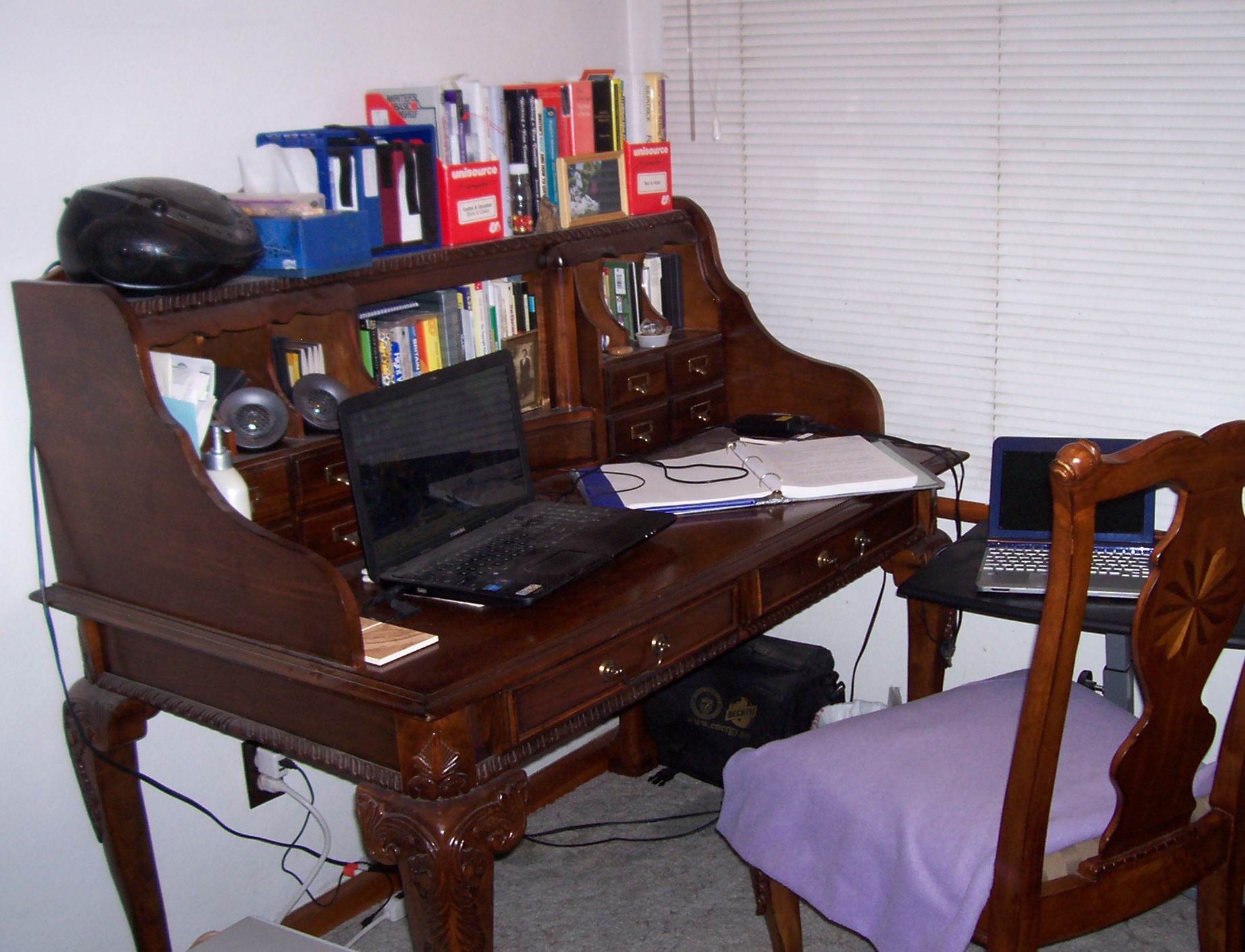
ME:  Please describe your writing space and list the five things about it that make it unique to you. (And I must have a picture of your office or space.)

TERESA:  I have an office space in our sunroom, just off the kitchen and dining room that is my home base. Five things that make it unique to me:

  1. Two of my children still live at home, and their desks connect to mine.
  2. Windows surround my space, giving me constant light. We live in Minnesota, and light is precious to me because I never seem to get enough of it.
  3. I have a favorite hibiscus plant on my desk that is special to me. Another hibiscus inspired my novel, and this one was a gift to my sister that I’m tending while she is living in Australia. (Here’s a blog post titled, “The Plant that inspired my Novel.”)
  4. It’s pretty clean and organized because I can’t think if it isn’t. I organize each project in a binder with physical research, notes, ideas and drafts. So I just pull open the binder for that project and go to work.
  5. This place is flexible. When I get cold or want a change, I can move. I switched to a laptop last year and even ditched a monitor, so I have the flexibility to leave that space according to my mood. My back-up workspace, especially on cold winter days, is the living room couch with a cozy blanket and my feet up on the ottoman.

 Teresa's Office Space small

(It certainly looks well organized, doesn’t it?)

If you want to know more about Teresa, check out her website. Her book is available on Amazon, Barnes and Noble, and Deseret Book.

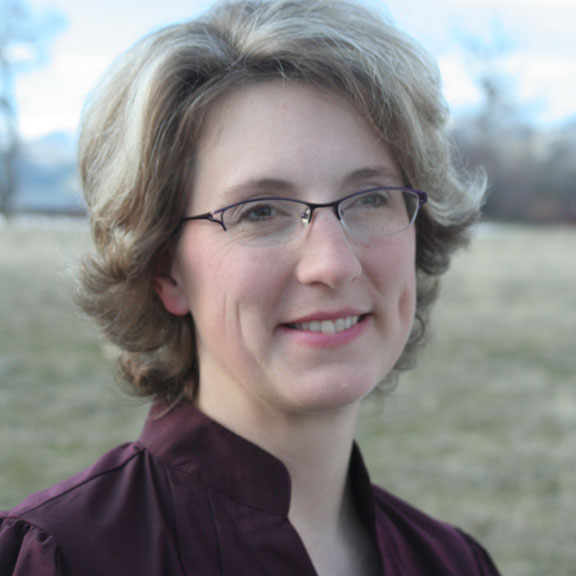
Next Wednesday, I’ll be chatting with Kate Palmer, author of THE GUY NEXT DOOR.
kate-author

Originally posted 2014-04-16 06:00:28.

“Wednesday Writer” – Michael Young

When not teaching high school students German online, or practicing and performing with the Mormon Tabernacle Choir, Michael Young writes stories. He has published at least four novels and three Christmas anthologies. In the middle of preparations for choir performances at the recently concluded General Conference of The Church of Jesus Christ of Latter-day Saints, I was able to delve a bit deeper into his background:

Michael Young Author headshot

ME:  In your bio on your blog, it says you grew up traveling the world with your military father. Would you care to elaborate, including some details as to place and which branch of the military? Also, how did your mother fit into this picture? (And I’d love a picture or two of you as a child.)

MICHAEL:  My father was a pilot in the US Air Force. For most of his career, he flew the huge cargo plane known as the C-5. It’s big enough to carry tanks, buses, even satellites. It’s one where the nose comes down into a ramp so that you can drive vehicles directly into it.

(Oh, yes. They often show those in action movies.)

My father was gone all the time when I was growing up, traveling all of the continents, even Antarctica on one occasion. My saintly mother stayed home with the children, of which eventually there were eight. She had a huge task just keeping everyone healthy and happy, especially when my dad’s planes broke down overseas, which they often did.

Screen Shot 2014-04-05 at 9.02.10 PM(Michael as a child)

We moved all over the United States, but then also lived in Japan for a time. While we were there, we visited many of the neighboring countries and learned to love a whole new kind of culture.

Later in my life, I then lived in Germany and came to love Europe as well.

(And it must be wonderful to visit there on tours with the choir!)

ME:  Which country was the most memorable and why? Do any of these countries figure into your fiction and, if so, how?

MICHAEL:  Germany has had the most lasting impression on my mind. I have always been a student of history and it opened my eyes to see so much history up close in Germany.  I grew up thinking or dreaming up stories about castles and then I got to actually explore them.

neuschwanstein castle germany 5(Such as the well-known Neuschwanstein Castle in southwest Bavaria)

Germany and Germans have featured in my stories, especially my Canticle Kingdom series, in which the music box on which the story is based was made in Germany by two German craftsmen.

(I thought so. :D)

ME:  Where did you go to high school and what kinds of extracurricular activities were you involved in? If theater was one, how has that affected your writing? (I’d love to post a picture of you in a play or show.)

MICHAEL:  Performing arts factored heavily into my high school career. Not only did I do the auditioned choirs (Madrigals, show choir, jazz choir), but I also did a lot of drama and musical theater. (Why am I not surprised?)

I did something like eight shows in high school, and often had pretty good roles. On top of that, I played in a handbell choir for my last two years of high school, and had a blast ringing the huge bass bells.

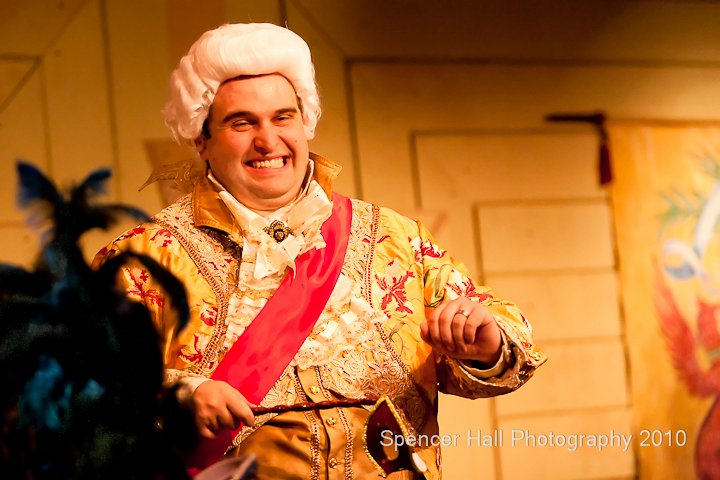
71655_10150098334514428_3758071_n(Michael in a more recent dramatic role…Any guesses as to his character?)

Being in the theater has had a great impact on my writing, as it helps me think of my books as having scenery, characters, and scenes. It helps me look at writing in a different way that I might not had I not worked in the theater.

ME:  When did you first realize you might want to be a writer, and what made you think that?

MICHAEL:  I first realized this in high school, when I had a great writing class by a teacher who was also named Mr. Young. I decided that I wanted to go ahead and try to write a novel just to see if I could make it happen. It took about a year, but I managed it, and it turned out better than I had expected.

ME:  What was the premise of that novel, and what became of it?

MICHAEL:  That first novel is called Face Value and it is about a man who feels responsible for his brother’s death and gets the chance to redo the past. He manages to save his brother, but when he comes back to the present, he finds that his brother instead was the one who married Christine, who had been his wife, but also that his mother, who had died of cancer, had managed to survive.

I’ve been releasing this one a chapter at a time through JukePop.com, and hope to release it as a few ebooks. It was a very long book, so I would definitely need to break it up.

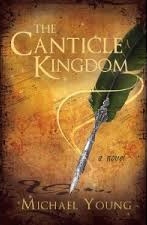
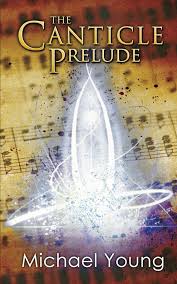
ME:  Tell us a bit about your first published novel, THE CANTICLE KINGDOM, and how it got onto bookstore shelves. How does it relate to THE CANTICLE PRELUDE?

The Canticle KingdomMICHAEL:  I wrote THE CANTICLE KINGDOM in the year after I returned home from living in Germany. Once I had finished the manuscript, I took it to a publisher’s fair at BYU and pitched it to Cedar Fort. It didn’t take them long to get back to me, and the rest is history.

The Canticle PreludeI wrote THE CANTICLE PRELUDE later as a set of prequel stories to THE CANTICLE KINGDOM, because many people told me they wanted to hear more of the backstory. The next book in the series, THE FROZEN GLOBE comes out this month.

(If mystery or suspense are involved, you’ll have to let me feature it here on my blog.)

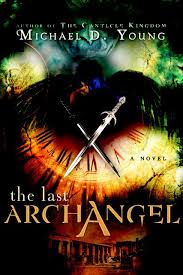
ME:  What gave you the idea for THE LAST ARCHANGEL, and can we expect a sequel?

The Last Archangel

MICHAEL:  I’ve always loved lore about angels, and my time in Europe only made me more curious about it. I wanted to do something that differed from the other angel stories I had heard about, so I set out to create my own spin on the angel story, making the main character a destroying angel, with the chance to spare or to destroy. I have written it into a trilogy and the other two books will be coming out this year and next year.

(Terrific!)

ME:  Okay, why fantasy and science fiction, as opposed to other genres?

MICHAEL:  These genres let my imagination run rampant. I have complete control over every aspect, which is something I find exciting. (Yes, writers tend to be control freaks.) World building, magic/technology, and fantastic settings are all things that motivate me to write.

ME:  Please describe your typical writer’s day and tell us what you’re working on now.

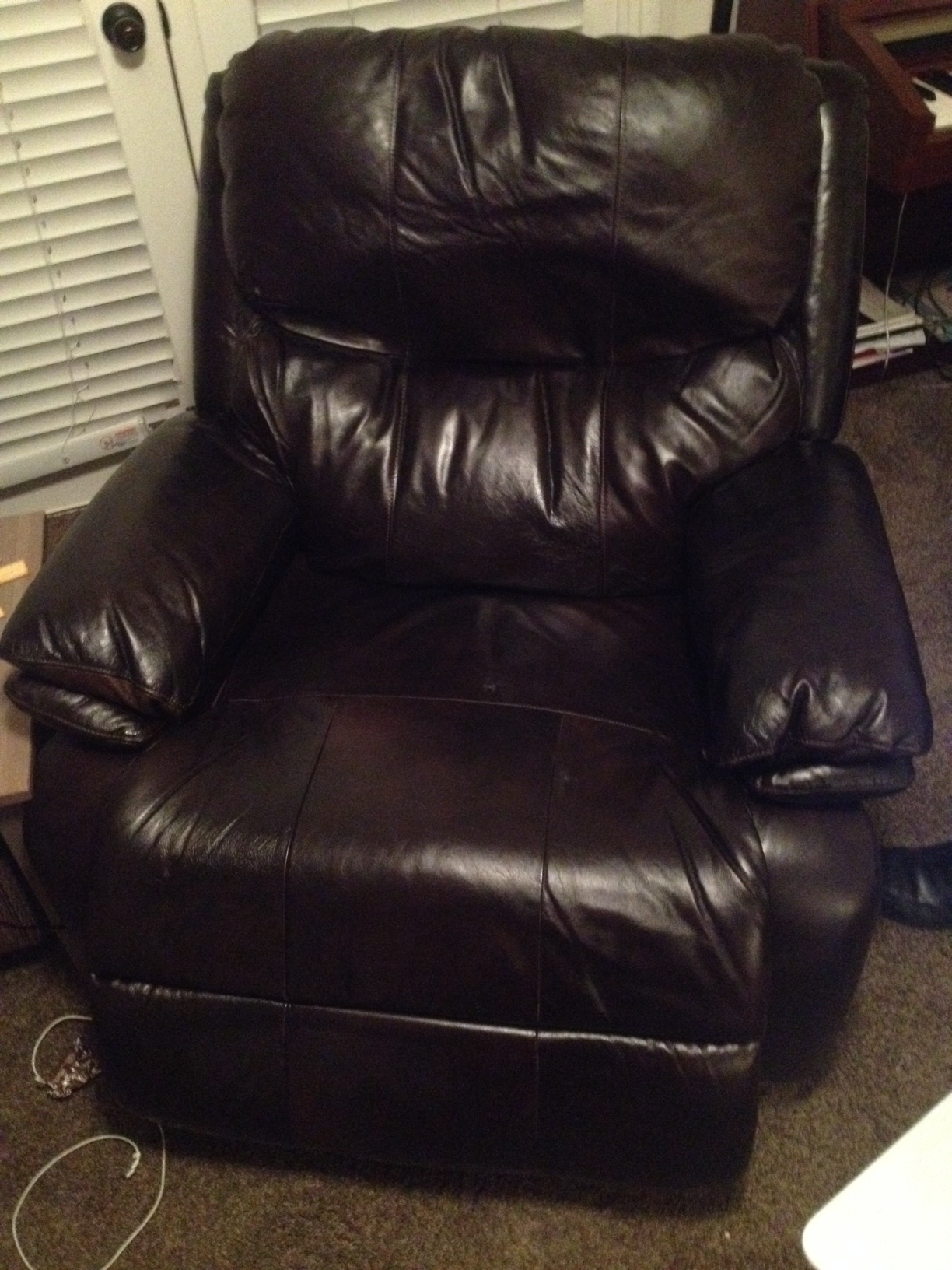
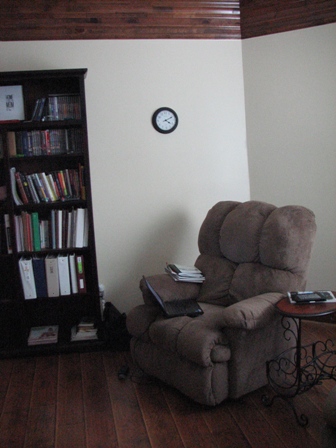
MICHAEL:  I usually plop down in my favorite chair (see last photo in the interview) at the end of the day once my two kids have gone down and write until I drop.

Right now, I’m working on a few non-fiction projects, a YA Supernatural novel and revising an adult fantasy about people who have both natural and magical hunger. That in addition to a sacred oratorio, three different musicals, short stories, articles…as you can see, writing is a major part of my life.

(Apparently!)

ME:  Besides your writing, what do you do to fill your time and support your family? Also, please describe your writing space. (And I must have a picture of said space.)

MICHAEL:  My favorite writing space has to be my recliner in my living room. I write best when I’m comfortable, and in a familiar place where the things about me don’t distract.

photo(Now that’s a comfy chair!)

In addition to writing, I still do theater work from time to time (that explains the photo of Michael in costume), and most of the rest of my time goes to work as an instructional designer of German courses, and singing with the Mormon Tabernacle Choir. I’m pretty busy, but my life is full of great things.

All of Michael’s books are available on Amazon, and you can find out more about the author from his Canticle Blog.

Check back next week when I interview inspirational writer, Teresa Hirst.

Teresa Hirst

Originally posted 2014-04-09 06:00:48.
“Wednesday Writer” – Susan Aylworth

Besides being the author of 11 published novels (her 12th will be out in June), Susan Aylworth is a wife and mother, owner of a “devoted old dog and two quirky cats,” and grandmother to 21 grandchildren (with two more expected this spring). But you can find all that information on her blog. I like to dig a bit deeper.
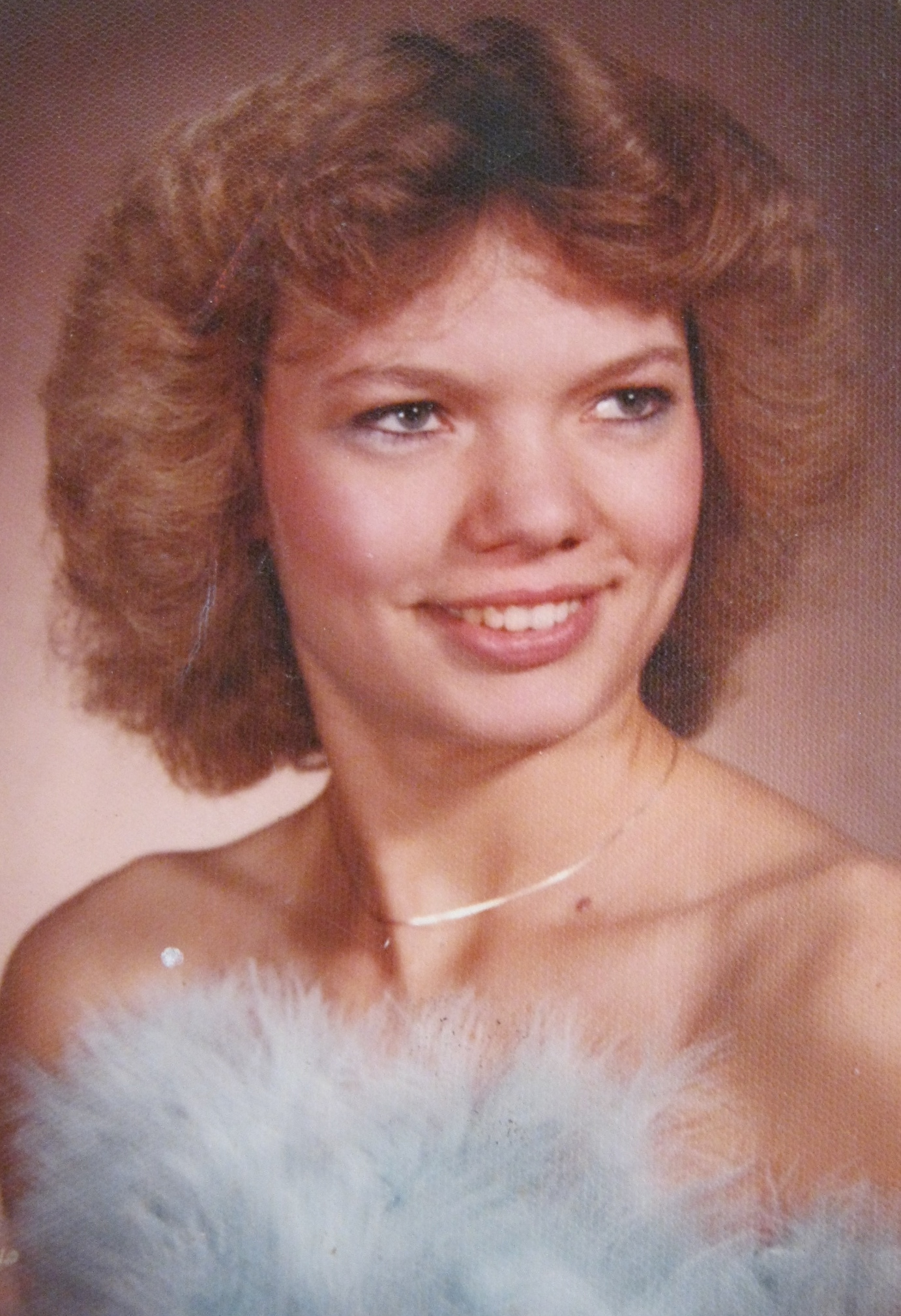
Susan AylworthME:  Where did you grow up and what, in your young mind, set your family apart from others? (I’d love a picture of you as a child to share with my readers.)

SUSAN:  Other families on our block were very much like us. If something set us apart, it was probably me–always organizing the neighborhood, staging skits and plays and parades, driving my neighbors half-crazy. A neighbor named Jane Hawes declared she was grateful when I was finally going to school; now she could throw away her oatmeal boxes. Hey! They made great marching drums.

(Already into storytelling in a big way, I see.)

DSCN3496(Susan as a 3rd Grader when she attempted her first novel)

ME:  Which parent did you take after most, and how are you similar? (Please provide a picture of you with your parents)

SUSAN:  Dad was the hard-working, easy-going guy who just settled in and got things done, Mom the fretful worrier albeit equally hard-working. I’m a good mix of both of them, although I’m probably more like Dad. I’m the worrier in our family, although I try not to fuss as much as Mom, but I got Dad’s imagination. He was the family story-teller.

DSCN3497

(Susan and her husband with her parents)

ME:  I understand you started your first novel at age 9. What was the storyline, if you can recall? And how old were you when you finished your first complete novel? What was it about?

SUSAN:  That first novel was a shameless rip-off of Black Beauty, which was then my favorite book. Told entirely from the horse’s point of view, it documented the story of a romantic wild stallion from his birth. (Notice how she described him as “romantic”? Even then, she was thinking romance.) I wrote nine whole pages on a big yellow legal pad before I exhausted my enthusiasm.

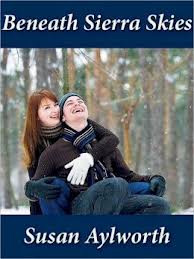
The first book I finished was a romance called The Flaming Phoenix. I’d barely completed it before I knew it was a seriously flawed experiment. My second eventually became BENEATH SIERRA SKIES, Silhouette Romance #702, my first published book. The story was a recasting of a real-life plane crash in the snow that killed a high school girlfriend. In this version, the hero and heroine survive for weeks in the high mountains alone and rescue each other, meanwhile falling in love. It was therapy for me, romance for the reader, and a big win for my longed-for entry into publishing. (Yay! Therapy AND a publishing contract. Can’t get much better.)

Beneath Sierra Skies

ME:  Please tell us about your degrees in English and how they helped or shaped your writing and your life.

SUSAN:  I started college as a journalism major with newspapers in mind. Half-way through undergraduate school, I married a competitive journalist (he has worked in newspapers for forty years) and knew my plan was unworkable. I loved my English classes, so the natural switch was into an English major. Since I was going to be a full-time mommy, it didn’t matter where I got my degree, did it?

But it did. When it turned out we needed my income, as well, and I was being offered secretarial jobs, I went back for the graduate degree, taught my first college class as a grad assistant and just kept teaching. I prepared more classes, learned to teach in different areas, and developed a thirty-year teaching career at California State University, Chico.

Anyone who has taken literature courses can tell you how academics sneer at “commercial fiction,” and I absorbed the attitude through my skin while a student. Later as I met people who were earning a living writing commercial fiction and began reading their work, I knew this was the kind of story I had always loved and the career I had always wanted. I endured my share of snide remarks from colleagues when I began publishing, but I was also approached by several of them on the quiet, people who wanted to know the secret for writing a successful romance. I found joy in telling them there is no secret, simply write a good book.

ME:  Which genre of fiction do you enjoy most, as both reader and writer, and why?

SUSAN:  I always come back to romance, but I love books—all kinds of books. Good stories of almost any kind intrigue me, although I have to admit I’m getting tired of the male revenge plot. I guess that’s fair since my husband is weary of romances.

ME:  Please compare your first published book with your latest. Is there any common theme or thread that unites all your writing?

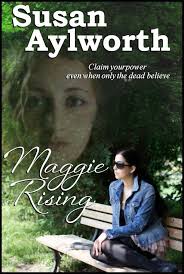
Maggie Rising

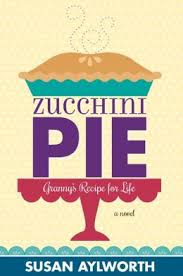
SUSAN:  My first book was a romance and most books since are also romances. Even the paranormal mystery MAGGIE RISING and the family saga ZUCCHINI PIE have some romantic elements. It’s a cliché, but I believe the one unifying element in my stories is the healing power of love—romantic love of course, but also family love, closeness between friends who support one another, all forms of love.

Zucchini Pie

ME:  Having taught at the university level for decades, what new directions do you see fiction going, and are those changes positive or negative in your view? (I would love to post a picture of you teaching in a classroom, if available.)

SUSAN:  The past couple of decades have led to many experiments in literary forms. Graphic novels and serialized novels, often told in tweets of 140 characters at a time, are two examples of experimental styles that may or may not hold into the future. Flash fiction is a major trend that will probably stay with us as long as our society is still heavily dependent on social media; it adapts so well to these platforms.

One trend that’s been big for the past several decades and which is likely to continue is the tendency to refute anything as literature if it does not have a tragic or even nihilistic ending. Stories that end well are considered sentimental and unrealistic. To me that always begs the question of why we bother to read “literature.” I do read it and some of the books I love, but a steady diet of tragic endings is hard to stomach. Give me the rebellious, well-written serious novel that ends with joy and hope.

(I agree. Life is difficult enough. I’m all for happy, or at least hopeful, endings as long as they don’t seem forced and they make sense.)

ME:  Tell us the storyline of your latest book, and how different was it from what you envisioned when you first sat down to write it?

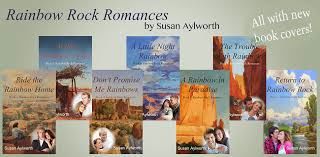
SUSAN:  Just last week I sent a book off to my editor and beta readers. It’s book #8 in the Rainbow Rock Romances, so I had expected it to be fairly easy. I knew where it was going when I started it, but DANNY’S GIRL turned out to be a harder story than I had expected to write, hard in terms of the threat of violence, the emotional issues, the depth of the psychology involved. I knew I’d be dealing with domestic abuse. I hadn’t realized I’d be getting into some shady criminal behaviors and questions of co-dependency. The story made me stretch, sometimes in uncomfortable ways, but I’m pleased with the end product. (Sounds interesting.)

Rainbow Rock Romances

ME:  What are you working on now, and how would you describe your writing process?

SUSAN:  My new work in progress is another romance but in a hospital setting in an updated Gold Rush town in the Sierra Nevada. She is an orthopedic surgeon and trauma intern (an extremely rare specialty for a woman to pursue) and he is a field rep for a company that sells orthopedic devices. The difference in their places in the hospital hierarchy and the goals they’ve set in their careers are working to keep them apart while Cupid is busy trying to put them together. I’m having fun with it.

(It also sounds like you’ve had to do a fair amount of research regarding the way hospitals work.)

ME:  Finally, please describe your writing space in the voice of one of your favorite characters from one of your books. (And I must have a picture of that space.)

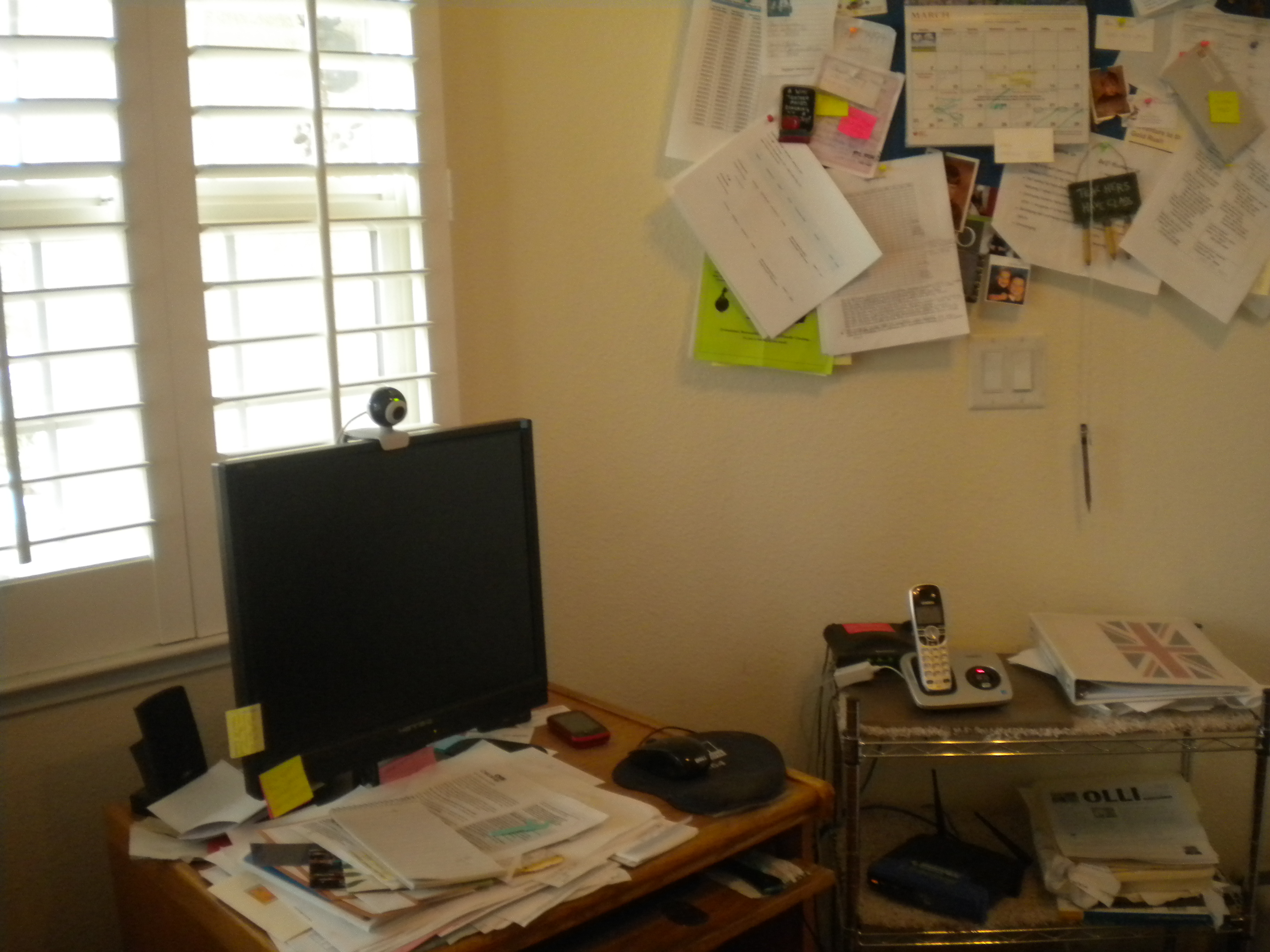
SUSAN:  Danny Sherwood, from DANNY’S GIRL:

Frankly Susan’s work space would drive me nuts. Here at the Highway Patrol sub-station where I file reports, there is a place for everything and everything is always kept in place. The rest of Susan’s house is pretty much like that, but her office is a mess: it’s where she keeps all the half-done projects, all the bits and pieces waiting their turn for her to get to them, all the reminders of other commitments. It’s pretty chaotic, although she seems to know where to find everything. She has a laptop and could choose to work anywhere, but she comes back to that messy corner instead, partly because that’s where she goes into ‘work’ mode and partly because of the windows that look out on her rose garden. All I can say is I’m glad it’s her work space, not mine. 

(:D)

 DSCN3491

(And here’s the proof)

You can learn more about Susan and her work by visiting her website. All of her books are available in both print and ebook form on Amazon. Most of her paperbacks can also be ordered through her own online store.

I’ll be back next Wednesday for a chat with Theresa Sneed, author of the No Angel series built around an angel with an attitude.

DSCN0275-232x300

Originally posted 2014-03-26 06:00:50.

“Wednesday Writer” – Rebecca Talley

I got to know Rebecca Talley when I served under her on the board on LDStorymakers, a guild for LDS published authors that puts on a terrific writer’s conference every spring. She’s published several other books since then and I thought it was about time I interviewed her here.

Rebecca12-profileME:  Your childhood in Santa Barbara, California near the beach sounds idyllic, but how is it you and your sister came to be raised by your maternal grandparents? And has any of that background worked its way into your fiction writing? (I’d love a picture of you at the beach.)

REBECCA:  Our parents died when my sister and I were quite young. Our maternal grandparents, in their sixties, took on the responsibility of raising a second family. Thankfully, they were willing to raise us so we didn’t have to be separated or sent to foster homes. (What a blessing! Grandparents are so important.)

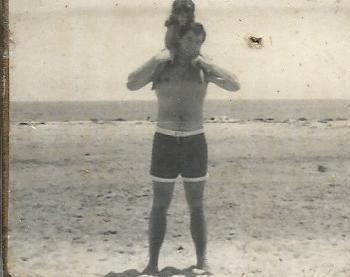
DaddyandMeatBeach(Rebecca with her daddy at the beach)

Beach3

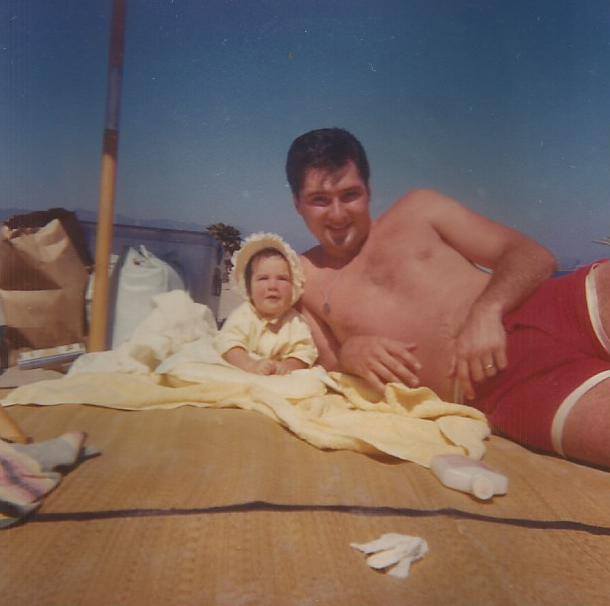
(Another great picture of her with her father)

Beach

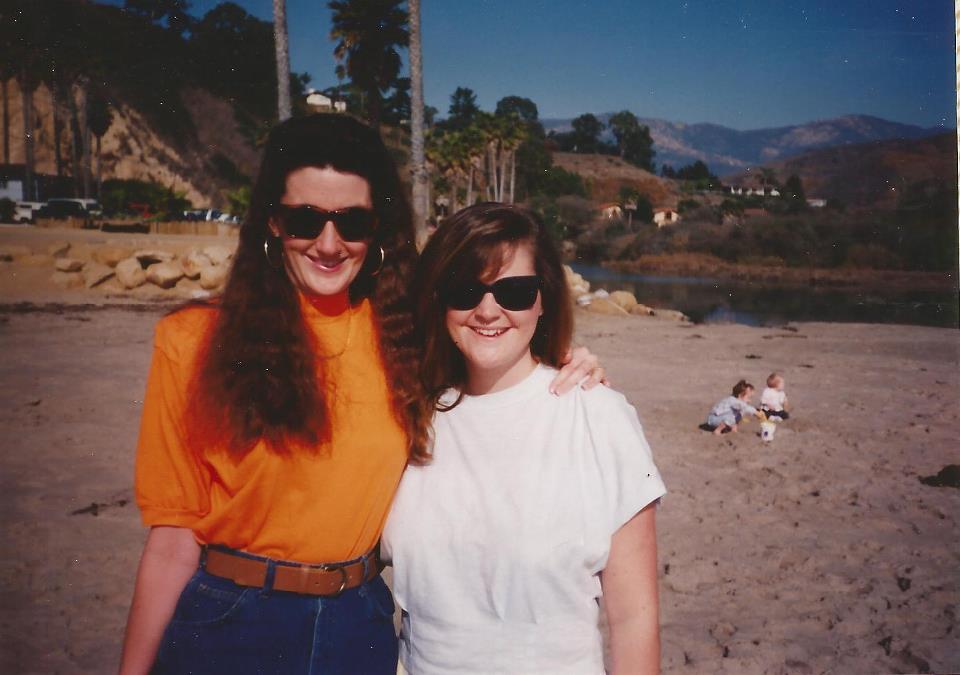
(And here’s one of her and her sister on the beach)

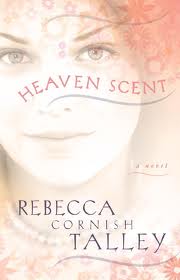
My first novel, “Heaven Scent,” was inspired by my mother, who wore a very specific perfume. During particularly difficult times in my life, I have been able to smell her perfume and feel her so close to me I could almost reach out and touch her. I included this in “Heaven Scent,” as the main character loses her mother and searches for understanding about life after death.

Heaven ScentME:  What made you take up flamenco dancing as a teenager? (And I must have a picture of you performing…please.)

REBECCA:  Santa Barbara has a very strong Spanish influence in both its architecture and its history. Every year in August, SB celebrates Old Spanish Days or “Fiesta” as the locals call it, which is a huge celebration that includes horse events, flamenco dancing and traditional mariachi bands at the Court House and the Old Mission, parades, parties, and outdoor markets.

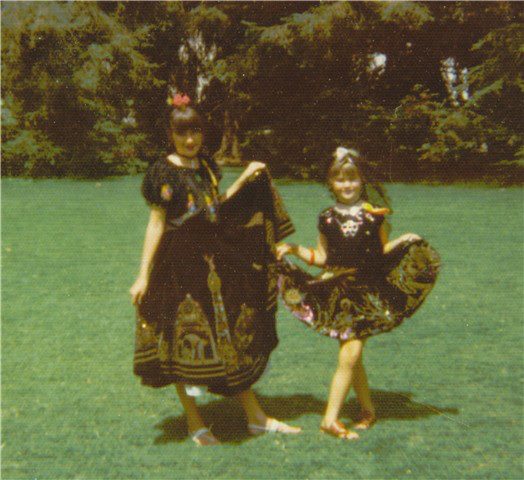
Fiesta(Rebecca and her sister all dressed up to perform in Fiesta)

As a kid, I took ballet and tap then moved on to flamenco. I loved to dance and play my castanets. I once danced for five miles along the parade route and ended up with lots of blisters. I also once danced for a large group and fell off the stage. That was embarrassing. (I’ll bet! :D)

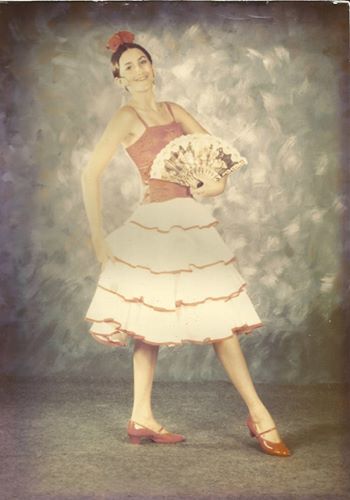
Flamenco(And there she is ready to dance flamenco)

ME:  How did your years at BYU, and your degree in Communications, prepare you for the kind of fiction writing you do?

REBECCA:  My experience at BYU was the basis for my second novel, “Altared Plans.”

Altared Plans

I now wish I had majored in English, as I had planned when I was in high school. Communications was a good major, but I don’t think it prepared me much to be a novelist. (Hmmm…as a Communications major myself, I might argue with you on that one. It taught me to write sparely.) However, all life experiences are great fodder for writing. (I couldn’t agree more!)

ME:  Okay, you’ve lived in Utah, New Mexico, and Colorado (and did I hear you’ve now moved to Texas?). What are the best and worst things about each of those places, and which has proven to be the most inspirational in terms of your writing, and why? (I’d love to post a picture of you with your family, plus a picture of you with your llama.)

REBECCA:  I lived in Utah while going to school and I loved the college life in Provo. I had a blast there. I didn’t like the pollution in the winter and I wasn’t a big fan of the snow.

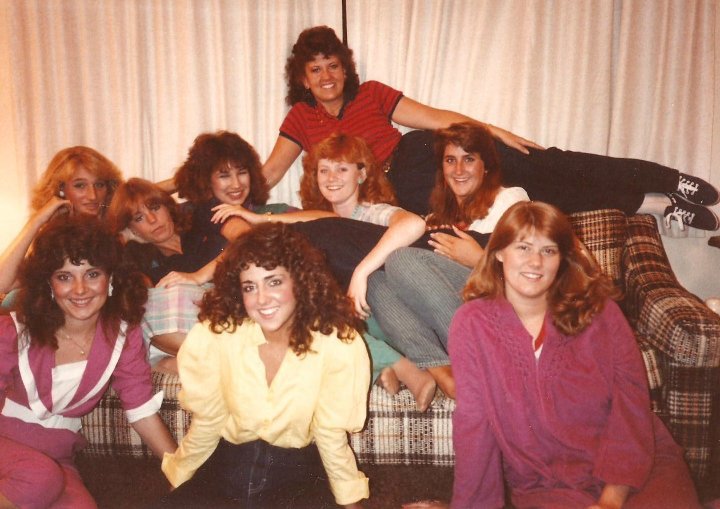
BYU Days(Rebecca in jeans with some of her BYU friends)

We lived in Provo for a few years after we got married then moved to NM for a job. I had a great experience in Farmington, NM. I loved the people and the small town feel. I had to get used to the dry desert and the lack of services and goods offered because it was such a small town, but I loved living there.

We decided to move to Colorado to purchase land and live a more rural lifestyle. I loved the peace and quiet and the beauty of living in a rural area. The mountains in Colorado are gorgeous and there’s an abundance of wildlife.

CO(Rebecca and her husband in Colorado not far from their house)

The best part was that my sister and her family (now 12 kids) lived right across the street from us. (Are you two competing for largest family or something?) We had lots and lots of great fun together. I didn’t love the very cold temperatures in the winter (in January it hovered at zero degrees) and I didn’t love when the snow made it impossible to get out of my driveway. It was also hard living on a well with so many kids, especially in the dry years. Most years in August we had to start choosing between doing dishes, taking showers, or doing laundry. But I loved the wide open spaces and having horses, cows, dogs, cats, rabbits, goats, sheep, and pigs. Actually, I didn’t love having pigs. (How come you didn’t mention the llama?)

Talley Family

(Rebecca’s large gorgeous family)

We now live in a suburb of Houston, Texas and love it. There are some wonderful people here and we love where we live. We are so close to everything and the kids especially love having a pool. For me, each place has been its own inspiration and has been a great place for me at that time of my life. I think you can find inspiration anywhere. I just love to be with my family, so wherever they are, I am happy and can find inspiration.

Beach2(Rebecca and her family at the beach)

Courthouse

(The author with her daughters and daughter-in-law in front of the courthouse in Santa Barbara where she used to perform)

ME:  What are some of the common themes in all of your fiction, or are no two books alike? Why or why not?

REBECCA:  I think some of the common themes are that you can’t plan everything. You have to let go and trust God that things will work out. I am such a control freak and I’ve had to realize that I can’t control everything—well, actually, I really can’t control anything, except how I react to what happens. I make my characters struggle with hard questions, some of which have no real answers.

(That makes for good fiction.)

ME:  How would you define LDS fiction as opposed to fiction written by LDS authors, or is there a difference?

REBECCA:  I think LDS fiction deals directly with LDS themes, while fiction written by LDS authors deal with more general themes. LDS fiction generally has LDS subjects and characters within the story and doesn’t include profanity, sex scenes, or explicit violence. Fiction written by LDS authors for a general audience may have sex scenes, violence, profanity, and very mature themes.

There is currently a group of LDS authors who are writing for a general audience but with LDS standards—clean fiction, if you will. These books can range from light romance to fantasy to serious drama, but don’t include much profanity, if any, no sex scenes and no graphic violence. (I’m glad you mentioned that.)

I think there are three categories for readers: if they want to read a story with LDS characters dealing with LDS subjects, or if they want to read general stories that have LDS standards but not LDS characters or themes, or if they are simply looking for a story without LDS characters, themes, or standards.

Books

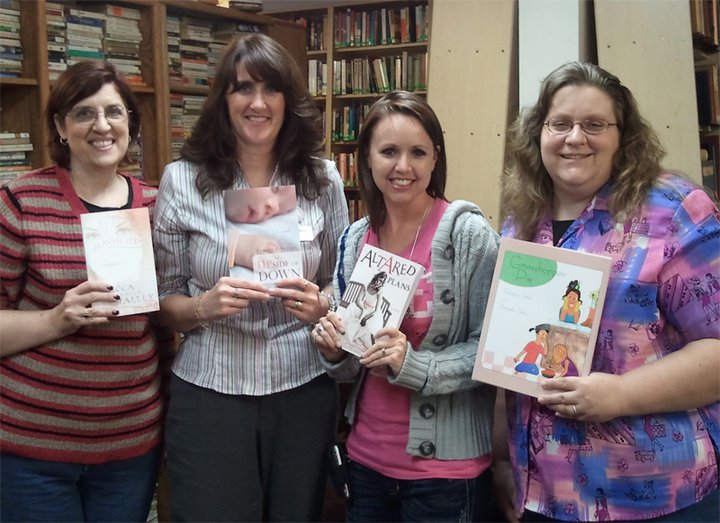
(Rebecca and a few of her author friends displaying some of her books)

ME:  Tell us about the first novel you ever wrote and compare it with your latest, IMPERFECT LOVE. What have you noticed in terms of your progression as a writer?

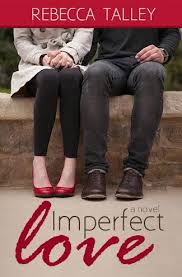
Imperfect LoveREBECCA:  My first novel was pretty rough. I didn’t understand the evolution of a story, or the structure, as well as I (hopefully) do now. I just had a story I wanted to tell and that was it. Now, I understand that there are certain elements of story that must be present and a framework underneath the prose. I think I understand the mechanics better and, hopefully, my language use is better. (I’m sure it is. Practice can’t help but make you better.)

ME:  What was the most difficult novel you ever wrote, and why? And which was the most personal?

REBECCA:  My YA paranormal, AURA, was the most difficult for me to write because it’s an urban fantasy with some magic in it. I’m not much into fantasy, so it was difficult for me to get this one right. I learned after writing that book that I’m much more comfortable writing realistic fiction.

Aura

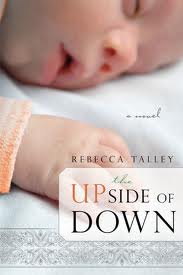
My first three books all had personal ties. HEAVEN SCENT was inspired by my mom and losing her. ALTARED PLANS was inspired by my courtship with my husband and has some true experiences in it. THE UPSIDE OF DOWN was probably the most personal because it delved into a woman learning she has a child with Down syndrome, and I wrote it while my own feelings about having a child with Down syndrome were still very raw. I felt like part of my soul was on those pages.

The Upside of Down

ME:  What are you working on now and how would you describe your writing process?

REBECCA:  I am currently in the brainstorming phase for several novel ideas. I’m going to see which one grabs me the most and work on that next.

I generally do some pre-writing, like outlining some scenes, writing character sketches, finding photos of my characters, freewriting. After I feel like I know enough, I write a rough draft in a month or so. After I let it sit, I go back and rewrite and work on it for a few months then turn it over to my critique partners to shred it. After I rewrite it with their suggestions, I let other readers go through it. I have hired professional editors to also go through my books.

(Never a bad choice.)

ME:  Finally, with such a large household, where do you retreat to write? If you have a favorite writing space, please detail five things about it that makes it different from every other author’s writing space. (And I must have a picture.)

REBECCA:  My writing place isn’t anything special. It’s a big recliner in the corner of my bedroom. It is my own space, and my kids know not to get into my “writing stuff.” I’d love to say I have a large walnut desk overlooking the ocean, but I don’t. My bedroom window does look out to the pool, if that counts.

(Hey, pools always count in my book…literally, if you’ve read A Night on Moon Hill. :D)

WritingArea(And here’s Rebecca’s comfy chair)

If you want to learn more about Rebecca and her books, or even just follow her blog, check out her website. Her books are all available on Amazon.

I’ll be talking with romance author Susan Aylworth next week, so be sure to check back!

Susan Aylworth

Originally posted 2014-03-19 06:00:53.

“Wednesday Writer” – Pauline Hansen

If you were happily married but gradually your family became hostage to the growing paranoid schizophrenia of your husband, would you stay married? And would you write about it?

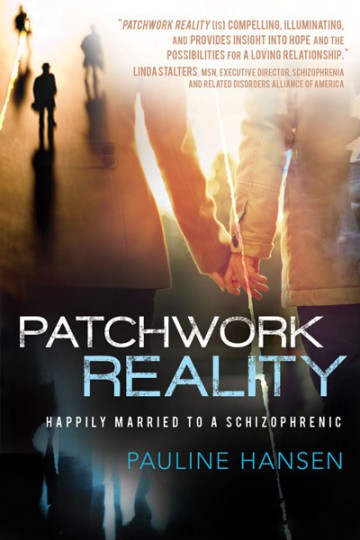
Pauline Hansen chose to do both, telling her story in her memoir, A PATCHWORK REALITY: HAPPILY MARRIED TO A SCHIZOPHRENIC.

Pauline-Hansen-170x255

ME:  You say you grew up in a small town, one to which you’ve now returned, but exactly how tiny is it? Please give us a clear picture of what your childhood and youth was like there (plus a picture or two of you growing up). And is it any different for your own kids, or are they all grown up?

PAULINE:  The town I grew up in and have now returned to is indeed tiny. It has remained, throughout the years, at about 150 people. We like to joke that there are probably more dogs than people : )

Life growing up in my hometown was typical of country life. We weren’t farmers or ranchers, so we didn’t have cattle or fields of hay, but other than that, we did many of the other things well known to country life: in the warm months, we grew a massive garden, played in the ditch as children, ran everywhere barefoot, climbed the surrounding rocks and mountains, went on picnics and went camping, then in the winter, we’d build snowmen, go sledding and snowmobiling, and hunt for a fresh Christmas tree every year.

Pauline age 10(Pauline at 10)

My own children, two of which were still school-aged when we moved here, do some of the same things – mostly the climbing and hiking and such, but they were 13 and 15 years old, so they didn’t have near the country life experience that I did while growing up.

Pauline 1985

(Pauline as a senior)

ME:  How old were you when you first dreamed to one day become an author, and which book exactly prompted that dream?

PAULINE:  I remember when I’d read as a youth, sometimes a book a day, I would be in awe of anyone that could actually write a book. It was something of a miracle to me back then. I remember wishing that maybe someday, I could write a book, but that’s all it was – a fanciful wish.

(So, it sounds as if it was no particular book, just books in general.)

ME:  What kind of book did you imagine yourself writing when you grew up and how did that differ from what you ended up producing?

PAULINE:  As a youth, when I dreamed of writing a book someday, I always wanted to write a romance, and I planned to include every spine-tingling, heart-racing, breath-taking romantic thing I could think of. I have, in fact, written a romance, but as it stands, it needs a lot of work, so when the thought occurred to me that I should write my memoir and publish it, I figured that was the best idea to go with first. I’m still revising the romance, though!

(Great! Then we know what to expect next.)

ME:  Since your book, PATCHWORK REALITY: HAPPILY MARRIED TO A SCHIZOPHRENIC, details your husband’s descent into paranoid schizophrenia in his mid-thirties and its effect on you and the children, please tell us how you met and what your relationship with him was like before those nine years of extreme psychological stress. (I’d love to post a picture of you and the family from those earlier years.)

PAULINE:  Curtis and I met at a dance at Dixie College. My roommate was the girlfriend of Curtis’s best friend, so that helped to bring us together, but once we did meet, there was no turning back. Although I had had numerous boyfriends in the past, I knew my relationship with Curtis was special and lasting, almost from the start. It didn’t take us long to want to date exclusively, then we were engaged after only 4 months, and married 3 months after that.

The book describes what the first fourteen years of our marriage were like, and in a nutshell, we had it all–laughter, babies, vacations, and ball games. Life was good, with your typical ups and downs, arguments over disciplining the kids and the finances, lots of expenses that come with raising five children, and lots of love and good times.

Hansens 1997(Pauline, Curtis, and the kids in the good times)

ME:  How did you come to the decision to write your story?

PAULINE:  One day in February of 2012, I felt the greatest urge to write something. It was a desire I couldn’t shake, but everything I attempted to write just didn’t feel quite right. Then one morning as I lay in bed contemplating, it occurred to me that I had a story to tell, one that would be different than anything anyone had ever read. And maybe, just maybe, someone would gain some insight when they read it, or realize there’s hope amidst difficult trials, or as my husband so eloquently put it, realize that marriage is worth fighting for.

patchwork-reality-happily-married-to-a-schizophrenic-pauline-hansen-9781462113644cover-360x540

ME:  How did your husband and children feel about the book?

PAULINE:  I admit at first I worried that my husband wouldn’t want me to write our story, since it would be so personal and put him in an awkward light. But all he kept repeating whenever I would ask him if he was SURE he was okay with me writing it was, “Of course I’m sure. After what I put you through, I have to let you do what you feel you need to.”

He must have known it would be rather therapeutic for me to write, plus I think he feels, too, that shedding some light on such a mysterious illness would be a good thing in the long run.

As far as the children go, they’ve been immensely supportive throughout the process of having me write and publish our experience. They knew very little of what went on, and yet even when they read the nitty gritty parts, not one of them has judged me or their dad for it.

ME:  What prompted your move back to your tiny hometown, and did it have anything to do with your husband’s condition?

PAULINE:  My husband’s condition had everything to do with moving back to my tiny hometown. He was jobless and did not play to look for a job anytime soon, which was very rare for him. He had always been a very hard worker and very dedicated to his job. We were at our rope’s end and needed a place to go, so we moved in with my parents temporarily until we could decide what our next move was.

We loved it here so much we decided to stay, and it’s a good thing, because the lower stress, slower pace of life, no traffic, and very few people have been a huge factor in my husband’s recovery.

Cannonville UTaerialview(An aerial view of their isolated town in Utah)

ME:  Tell us about the writing process you followed in creating this book, including beta readers and/or critique groups. And did you seek out any experts in schizophrenia?

PAULINE:  I had already been attending writer’s conferences before I even knew of my husband’s condition (and decided to write about it), and once I knew I wanted to write our story, I went to even more conferences with the intention of finding other authors that I could connect with and ask advice of. I only used one beta reader, and her advice was invaluable. (That’s a big YES for beta readers!)

I joined ANWA, American Night Writers Association, where I could post any question I had about the writing or publishing process on their Yahoo group sites. They’ve been a huge help and I’ve made some wonderful friends! (That’s a big YES for ANWA too!)

As far as seeking experts on schizophrenia, my intention was never to write a book as a resource for those seeking help about mental illness. The Internet is a wealth of knowledge for that, and I would just muddy the waters if I attempted to give any advice.

ME:  What are you working on now, or what do you plan to write next, and why?

PAULINE:  I am once again attempting to work on the first novel I wrote, a romance based in my own little hometown. We’ll see if it ends up publish-worthy. :D I also have a rough outline and quite a few pages of ideas for a dramatic romance I would love to write some time, plus I have a children’s book series in mind that begs to be written, but that concept is definitely in its infancy.

I don’t always feel an extreme urge to write, but when that urge hits, I obey. I love to read, and I love the written word, and the stories in my head will, at the right time, break free and land on the page.

ME:  Finally, please describe your writing space—the room or place you used most in writing PATCHWORK REALITY—and tell us what makes it your own. (And I must have a picture.)

PAULINE:  Our home is small, but still, I claim a lot of our overcrowded space as my own when I’m in the middle of a project. When I wrote PATCHWORK REALITY, we only had one computer that the whole family shared, but if I needed it everyone else knew they had to let me use it. It is centrally located, in the living room, so although I was often engrossed in my work, I was still out amongst the family if they needed me.

At the time, my husband rarely got on the computer. He was just learning how to use one back then. Now, though, he’s on the family computer a lot more, so it was a huge blessing when my children gave me a laptop for Christmas last year.

My Writing Space(Pauline’s work space)

family close

(And here’s Pauline, Curtis, and their kids today)

Pauline’s memoir is available from Amazon, Barnes & Noble, and at Books & Things. If you want to learn more about the author and her work, check out her website.

On tap for next Wednesday is Rebecca Talley, a former president of LDStorymakers and author of two LDS novels and a children’s picture book.

Rebecca12-profile

Originally posted 2014-03-12 06:00:46.

“Wednesday Writer” – Ronda Hinrichsen

Ronda Hinrichsen writes romantic suspense as Ronda Gibb Hinrichsen and THE HEROES OF THE HIGHEST ORDER Chapter Book series as R.K. Hinrichsen. Her next romantic suspense novel, BETRAYED, will be released in June. I was lucky enough to get this interview in with her before her eye surgery. (Don’t worry…she’s fine.)

Ronda Gibb HinrichsenME:  You’ve said you first knew you wanted to be a writer when you were in sixth grade and listening to your teacher read S.E. Hinton’s The Outsiders. But my question is, when did you first realize you could be a writer, and what had you written (or what had someone said) that convinced you of that? (That said, I would love to post a picture of you from sixth grade, as well as another when you were a teenager.)

RONDA:  That’s a hard question to answer. While I remember fearing I might never succeed at having a book published, I think I always thought it was possible for me to be a writer, I just had to figure out how to do it. In fact, I still have those same fears now as I submit and/or self publish. Fear and self-doubt is always there, but because being an author is important to me, I keep pushing through those things. For me, it’s not trying that equals true regret.

(Very well said, and she’s right…the fear and self-doubt never goes away.)

6th grade scan0001(Ronda as a sixth grader)

graduation pic scan0001

(Ronda’s high school graduation picture)

ME:  Are there any other writers in your lineage? If so, how did they inspire you? (And please include a picture, if possible.) If not, which writer(s) inspire you the most and why?

RONDA:  I have an ancestor who crossed the plains as a child and later wrote for the church publications. In fact, I have written some of his stories for The Friend. His name is William Palmer. There are other writers too. My uncle wrote for a newspaper in Canada, and my Grandmother and aunts enjoyed writing poetry. (Ah, it runs in the blood, eh?)

ME:  Having grown up in Rexburg, Idaho, what gave you the urge to travel? What have been some of your favorite or most interesting destinations, and why? (And I’d love a picture or two of you and your husband en route.)

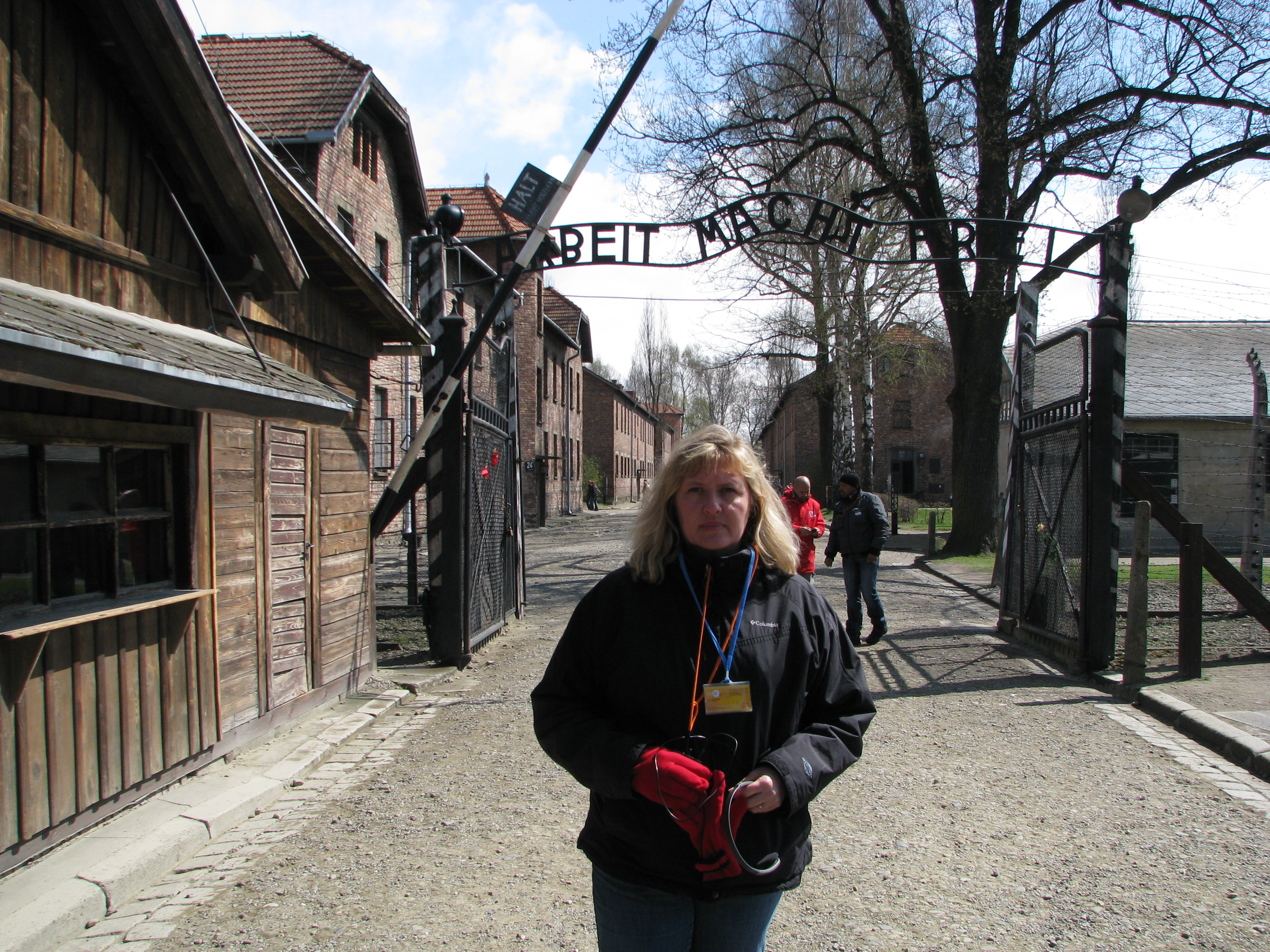
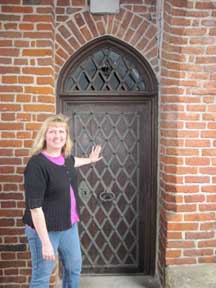
RONDA:  I did not travel much as a child, except to the occasional family reunion in Canada, but my husband loves to travel and has the desire to see every part of the world. I have the privilege of going along for the ride. So far, my favorite scenic places have been Austria and New Zealand. The place that deeply affected me, was visiting Auschwitz in Krakow, Poland. (That, I can well understand after having visited another concentration camp–Mauthausen–in Austria.)

Rolin and Ronda in Snowy Mountains Australia(Ronda and Rolin in Australia)

2011 April 6 to 21 Europe 1021(Ronda at Auschwitz)

Ronda in Krakow, Poland(In Krakow, Poland)

ME:  I know you began by writing short stories and magazine articles as you were raising your young family. Now that the short story form seems to be taking off again, have you given any thought to writing more of those?

RONDA:  I haven’t thought of short stories too much, but I have self-published three children’s chapter books under the series name of HEROES OF THE HIGHEST ORDER and I will soon release a preternatural mystery novella under the pen name Kathleen Marks. It is the first of a series.

(Okay, am I the only one confused about the difference between paranormal and preternatural? Here’s an interesting posting that might shed a little light.)

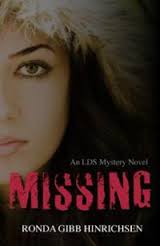
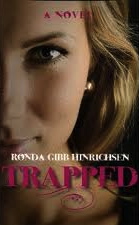
ME:  Tell us about your first two novels, MISSING and TRAPPED. How are they different, and how are they alike? And which was easier to write?

RONDA:  MISSING and TRAPPED are similar in that they are both adventurous, romantic suspense novels. However, MISSING is a contemporary, realisitic novel with LDS characters, and TRAPPED is a contemporary, paranormal novel with a curse surrounding the “Kuhati,” the elixir of life.

Missing

I suppose TRAPPED was easier to write since it was my second novel and MISSING was my first—not only first published, but also the first I’d ever written. It was my novel writing learning ground vs, as you mentioned earlier, short story writing.

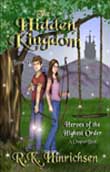
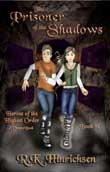
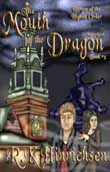
Trapped ME:  You’ve also begun a middle grade series, HEROES OF THE HIGHEST ORDER, in which your young protagonists kind of follow in the footsteps of different heroes in their quest to destroy the enemy of “The Hidden Kingdom.” What criteria are you following when it comes to selecting those particular heroes?

RONDA:  HEROES OF THE HIGHEST ORDER is a chapter book series similar to The Magic Tree House. The heroes I choose for that series are those who are compassionate to all people and are brave in the face of difficult circumstances.

HEROES Book 1

The first tells the story of a young pioneer woman who found peace with the Indians.

HEROES Book 2

The second speaks of Mother Teresa, and the third teaches of Tadeusz Pankiewicz who helped save the lives of many Jews during WWII.

HEROES Book 3

(You can learn more about the books and the series here.)

ME:  What are you working on now, and how would you describe your writing process?

RONDA:  My writing process is a juggling act. I gather ideas for a new book in a notebook while I’m writing another and perhaps editing or doing other writing/publication chores with another.

I just finished final edits on BETRAYED, a historical romantic suspense novel that comes out with Covenant Communications in June 2014. I have another novel under submission, I am preparing my preternatural novella for publication, and I am editing a YA fantasy novel I intend to submit to the national market. I’m also starting to have a few ideas for future books.

(One cook in the kitchen with a lot of pots stewing.)

ME:  How would you describe your writing space, and what five objects there differentiate it from that of any other writer? (You must include a picture or two.)

RONDA:  My writing space is a desk with a laptop, a second screen, a bookshelf, a wall board with various notes and lists, and separate piles of info from different books.

(Okay, that takes the record for the shortest answer to this question ever!)

IMG_0036(I think this was the neatest part of her writing space. :D)

ME:  What has been your experience with both traditional publishing and self-publishing, which do you prefer, and why?

RONDA:  I believe there are strengths and challenges for each venue. Self-publishing gives me the power to bring whatever story I want to the world in whatever format I want. It also gives me the ability to earn money on a more “regular” basis, for I don’t have to wait for the six month intervals of a traditional publisher. (Hear, hear!)

Traditional publishing provides support, experienced editors and cover artists/marketers, and the ability to distribute to markets that are not always available to self-published books. Traditional publishing also seems to have a better ability to help me build my name and to speak/teach in various venues.

(So it really comes down to which you prefer–support or control.)

ME:  Finally, how important is a critique group and what strengths does yours bring to your writing?

RONDA:  My critique group is VITAL to me. Each person has strengths that help me create a more viable, well-developed product. Different from many groups, we do not print out our weekly writing—yes, we meet weekly. Instead, we read what we’ve written to the group. The others listen, and then we comment on what is or isn’t working or what needs a bit more strengthening. Our group focuses more on structure, rather than grammar, but some of us do have an ear for grammar, and we bring those things up.

(Excellent! With some exceptions, a writer is generally only as good as his/her critique group.)

Check out Ronda’s website for more information about her and many projects. Her suspense novels are available on Amazon and Barnes & Noble. You can check out her chapter books at B&N and Books-a-Million.

Get ready for a serious interview next Wednesday with Pauline Hansen, author of a compelling memoir or her marriage to a schizophrenic.

Pauline-Hansen-170x255

Originally posted 2014-03-05 06:00:16.

“Wednesday Writer” – Anna del C. Dye

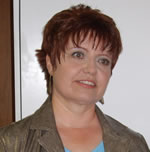
Anna del C. Dye writes fantasy fiction, focusing almost entirely on elves.

Anna5B

This interview is part of a blog tour by Anna, in which she is doing a Book Giveaway from February 24th to March 8th. You have a chance to win one e-book of her latest fantasy novel, THE ROILDEN STONE OF ELF MOUNTAIN. It will be given for each stop in this tour and international entries are welcome. To enter, simply “like” the book trailer below and leave a comment after the interview, including your e-mail address.

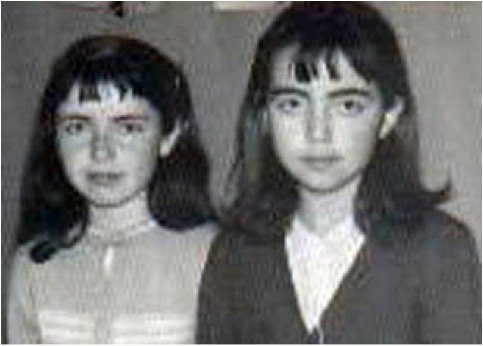
ME:  What was your childhood like growing up in Valparaiso, Chile? And did you and your twin sister, Elena, stay there throughout your youth and adolescence, or did you move to other places. If so, please describe them.

ANNA:  It was a bit lonesome. My mother died when we were six years old and our father took care of the two of us and my other three siblings. He was quite hard to please and we weren’t allowed to have friends. We moved to the country and spent ten years there, but we were still in Valparaiso (the “county” versus the “city”), just not on the coast anymore.

Anna and sister(Anna is the shorter one on the left)

ME:  I was aware of your mother’s death and that you’re uncomfortable looking back on your childhood, but I’m convinced that what we write cannot help but reflect our roots in some way. How is your writing a reflection or commentary on your past?

ANNA:  I was never told I was loved while growing up. Yet now, I have had many readers comment on how deeply my characters love. One even said that I knew what love was all about. I suppose that my growing up like that had a lot to do with how I perceive love.

(That’s the beauty of fiction. We can insert everything we’ve ever wanted.)

ME:  When did you first begin making up stories of your own, and can you share the gist of the first story you ever wrote?

ANNA:  My husband suggested that I write children’s books because he thought I would be good at it. I tried a few times, but it never took off. Many years later, I traveled to Florida with him and, while he participated in his work conference, I sat under a Magnolia tree and wrote “Princess Magnolia.” Magnolia’s two ladies-in-waiting also have names of flowers. It is complete, but needs a lot of work.

(Most first efforts do. :D)

I will work on that story one of these days and publish it. We were staying at the Dolphin–a Walt Disney hotel–when that happened.

ME:  What circumstances led to your move to the United States at age 21? And how did you meet your husband?

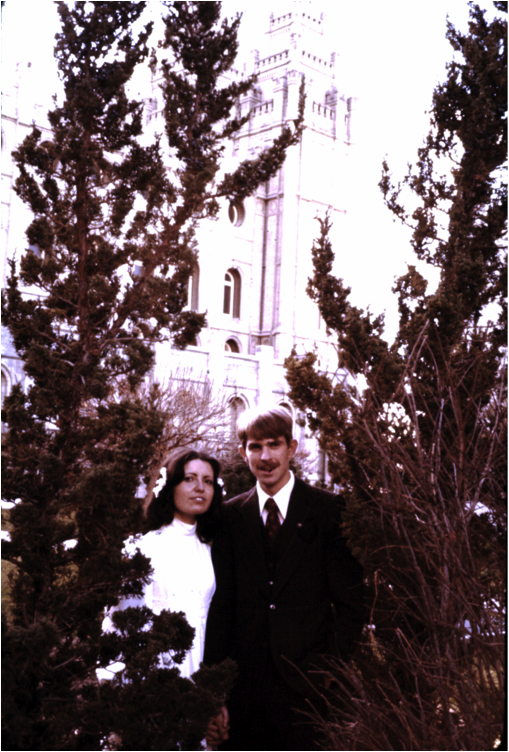
ANNA:  I met my husband while he served a mission in my country. Two years later he brought me here, and two weeks later we were married in the Salt Lake Temple. That was thirty some odd years ago. Ours is a conversion story and is published in the anthology Angels Around Us by Judy C. Olson, published by Covenant, and entitled Why Him?

Anna and husband(Anna and her husband in front of the Salt Lake Temple)

ME:  Okay, why elves, and when did you first begin to focus on them?

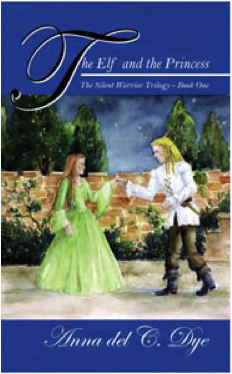
ANNA:  My son introduced me to Tolkien’s Lord of the Rings many years ago, and I fell in love with it. I was so curious to know more about all the characters, especially the elfs (elves), that my husband got tired of my questions and he cried, “Make your own answers.” So I did. Two days later, I had THE ELF AND THE PRINCESS drafted—all in my head.

Trilogy Book 1ME:  Tell us about your elf series and any other books you’ve published. Is there a common theme in each book?

ANNA:  The Silent Warrior Trilogy is about a princess whose kingdom is destroyed while she is learning to sword fight. We follow her life as the warrior and as the woman for about seven years within the three books. However they are stand-alone.

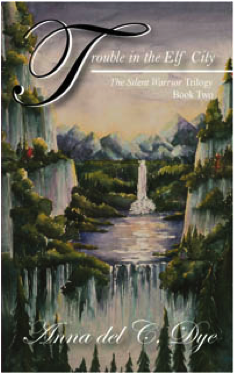
Trilogy Book 2(Book 2: TROUBLE IN THE ELF CITY)

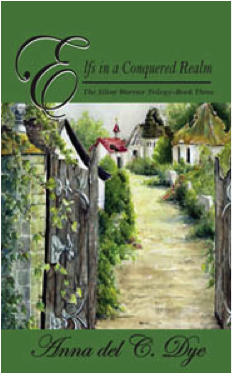
Trilogy Book 3

(Book 3: ELFS IN A CONQUERED REALM)

The rest of the books in the series are totally stand-alone stories with different characters, situations, and different times than the Trilogy. They all take place in one of the two elf kingdoms in the world I created.

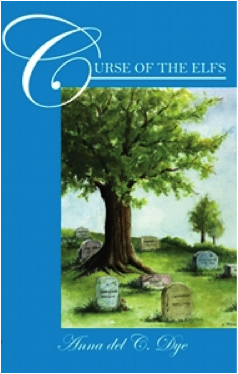
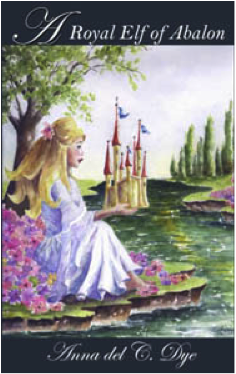
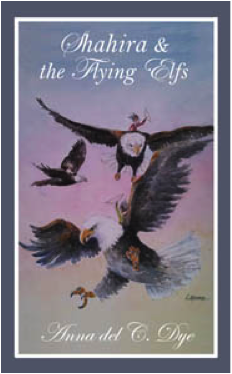
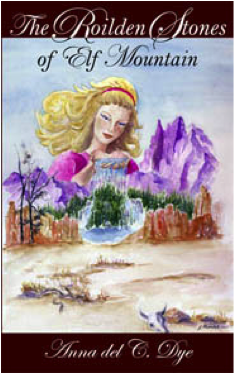
Curse of the ElvesA Royal Elf of AbalonShahira & the Flying ElfsThe Roilden Stones of Elf Mountain(This is the one being offered in the giveaway)

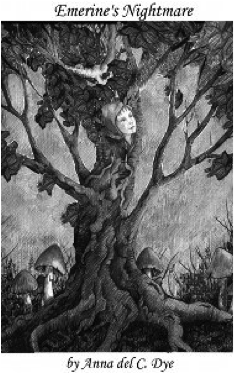
I also wrote an elementary age book named EMERINE’S NIGHTMARE. It is about a twelve-year-old boy on a dangerous journey to a mysterious place full of magic and magic creatures that want him, and he doesn’t know why. This particular story is an electronic book only.

Emerine's NightmareME:  In your latest, THE ROILDEN STONES OF ELF MOUNTAIN, which concludes your series, what challenges does your main character face?

ANNA:  Actually, THE ROILDEN STONES OF ELF MOUNTAIN is the prequel to my elf series. I just never felt that it should be the book that I should publish first. So, in this book you will see the elfs after they first move to this new land and how they try to change their culture to fit in, and how ultimately they find themselves and grow into the race they become in all my other books. So their beliefs and reasons to be who they are now come from lessons learned in the story of this book.

Arland is the main character, and he and his people live in exile from the main elf city where they opposed monarchy. His hope is to unite their people once more and have the council of houses be restored. When he visited the Gold elfs in the main city, however, he found a bigger problem. The queen and her only daughter had disappeared, and with them The Roilden Stones of Elf Mountain.

These stones are the sole component that keeps Andoriah’s weather pattern balance. When they were removed, the land stopped having rain and the heat rose to dangerous levels. Arland wants to find and return the stones, and he hopes that this act will ensure the return of his elfs to the main city and from there to a change in their government. His two elf friends and three gnomes unite to save all of Andoriah’s races from a fiery furnace.

(Sounds good!)

ME:  Which fantasy author do you admire the most, and why?

ANNA:  Tolkien, for he opened my mind to a world I never knew existed—a world that gives me the very air I breathe.

ME:  Do you follow a daily writing routine, and how would you describe it? Please include your process and whether or not you outline.

ANNA:  I write by inspiration. Usually all is in my head before I start a new story.

I have a lot of promotion to do, my blog, and helping other authors; so I write my books when I have time. Usually when my two girls (granddaughters) are having a nap. There were times when I wrote for six hours straight and I could produce a book draft every three months, but today is not that time. Today is my time to love and care for my family. I enjoy my grandma role very much.

(And I’m sure you will reap greater returns from that role than any publishing you may do.)

ME:  Finally, I’d love it if you could describe your favorite writing space in the voice of one of your favorite elves.

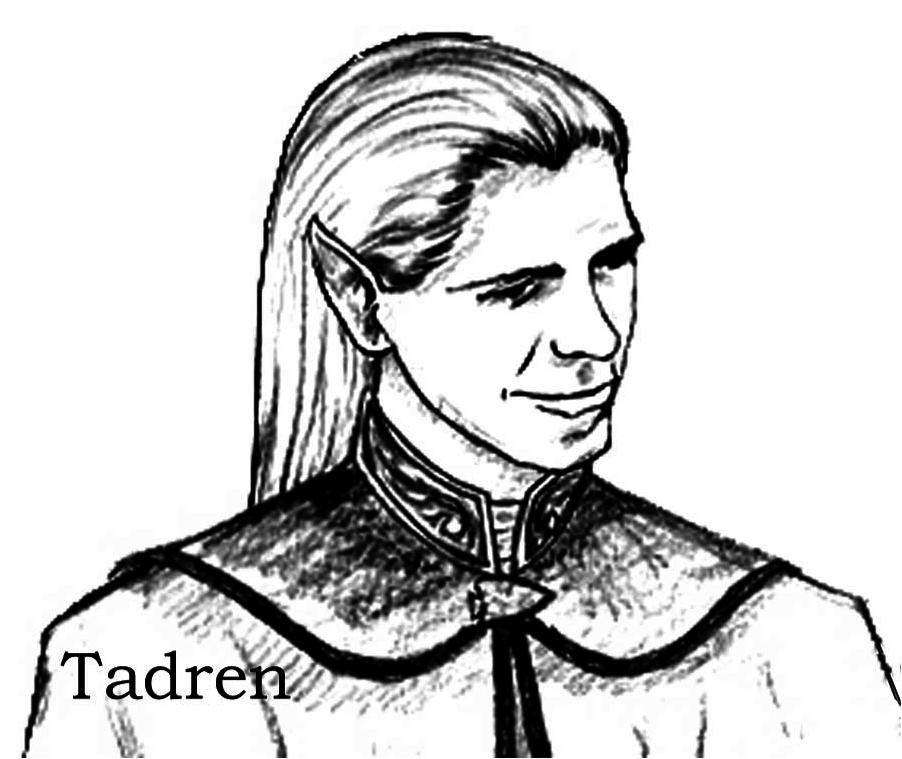
ANNA:  I am Tadren, son of Somir of Lothia.

Tadren

My study nestles between the colorful walls of my memory. There you will find the most fertile ground for my imagination in contrast to my past. Seated in the comfort of a daybed, I enjoy the pleasant days in company of my dreams. My heart flies on the wings of adventure to a higher realm where the heroes await my return every day. My ancestors’ likenesses rest upon the walls of this room. Their wisdom is passed on in the many parchments that rest their dusty pages on my shelves. The tree branches, swung by the breeze outside my window, bring a lullaby to set my mind at peace and that is when I go on.

(Very peaceful. :D)

Check out more about Anna and her books on her website. You can purchase her latest, THE ROILDEN STONES OF ELF MOUNTAIN either there or on Amazon.

Next Wednesday, I’ll be interviewing romantic suspense author, Ronda Gibb Hinrichsen.

Ronda Gibb Hinrichsen

Originally posted 2014-02-26 11:35:49.

“Wednesday Writer” – Tami Franklin

Tami Franklin, better known to her readers as T.M. Franklin, writes stories with a liberal sprinkling of romance, mystery, adventure, and a touch of magic. She hovers between fantasy and contemporary fiction, between full-length novels (even series) and short stories. Let’s see what we can learn about the mysterious T.M., shall we?

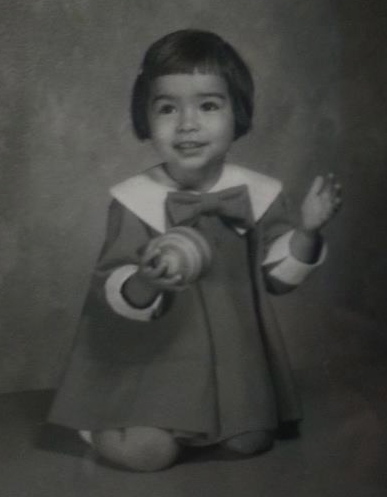
T.M.FranklinME:  Please describe your childhood, where you grew up, and your first memorable encounters with fiction. (And I’d love a picture of you as a child, with or without your family.)

TAMI:  I was born in Seattle, WA and grew up in Washington state, with a brief foray into California. I lived with my parents and younger sister, who never ceased to drive me insane. (Isn’t that what families are for? To test our social limits?)

I was always a voracious reader as a child – some particular favorites included What the Witch Left, by Ruth Crewe and Ozma of Oz, by L. Frank Baum, among many others. (Aha! The early fantasy influence) I loved stories with a little bit of mystery to them – a little magic that had you wondering, “What if that happened to me?” I guess that explains why I now write those kinds of stories.

(Exactly!)Image(Tami as a little girl…hasn’t changed much, has she?)

ME:  Who among your family or acquaintances first encouraged you to pursue writing?

TAMI:  Although my family has been quite supportive, it was an online community of writers and readers that first really encouraged my fiction writing. In fact, it was a friend online who initially recommended me to what is now my publisher.

(Now that’s a first among all I’ve interviewed thus far. Others have talked about their writing groups, but Tami found hers online. A writer’s own group of colleagues, online or in person, can really make a difference!)

ME:  What was your first childhood ambition and what led you to broadcast journalism (a major I also pursued in college)?

TAMI:  Well, I wanted to be a princess when I was a little girl, but eventually learned that was probably an impossible goal.

Initially, when I went to college, it was with the intention of studying pre-med. My first college chemistry class cured me of that goal, however. (Not surprised.) I took a journalism class to fulfill a basic requirement and decided that was the road I’d like to take.

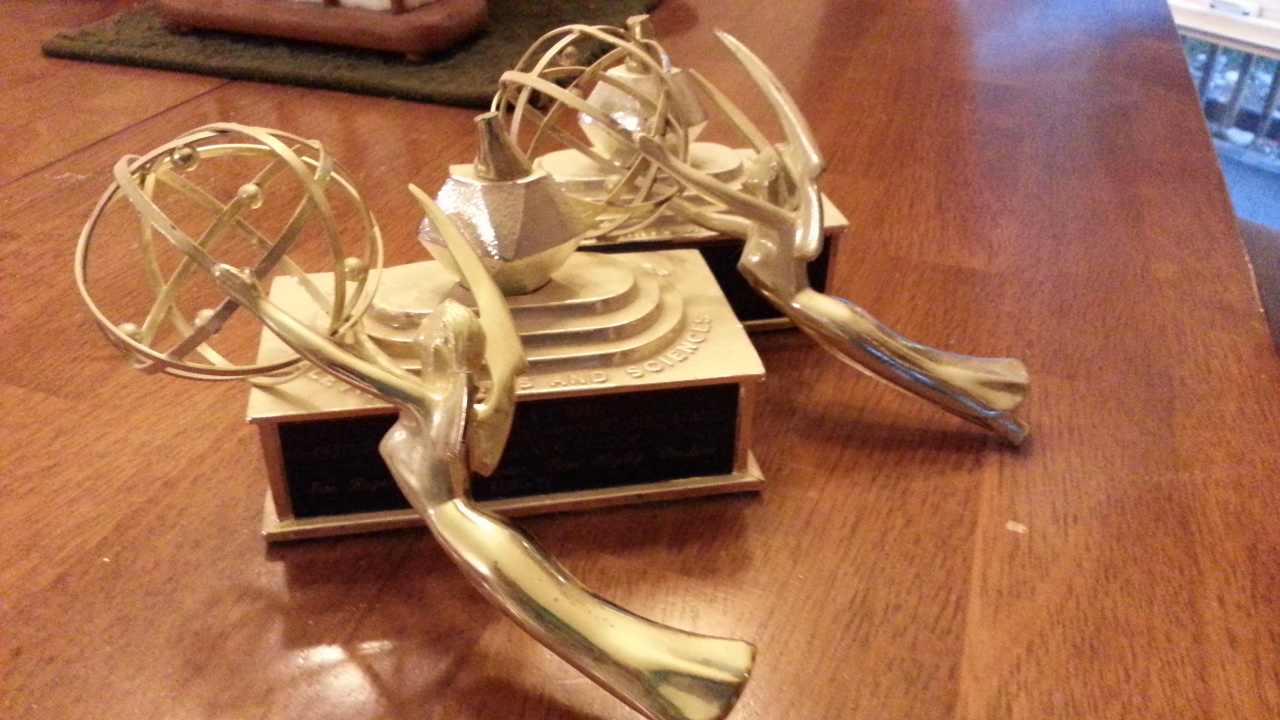
ME:  Please summarize your career in television and share how that experience has helped you in your fictional endeavors. (I’d love a picture of you with your Emmy Awards.)

TAMI:  I worked for nine years in TV news, as both a newscast producer and what’s called a “special projects” producer, which means I put together special reports and series for ratings periods and special broadcasts. I had semi-moved into a management position as a senior producer of the morning newscast when I decided to leave the newsroom behind when my son was born.

My Sad Broken Emmys(Her sad broken Emmys…fragile, but still powerful)

I find that the writing style I developed for television – shorter, conversational sentences with minimal filler and no “flowery” language – has definitely impacted my fictional style as well, I tend to write how I speak.

ME:  Tell us a bit about your first “unsuccessful” novel. What led you to write it and how did you come to the realization that it wasn’t good enough?

TAMI:  It’s still on my computer! It was about a TV news producer (go figure) who found out the apparent suicide of a software billionaire wasn’t quite what it seemed. I queried it unsuccessfully to a few agents and it was one of those agents who encouraged me to keep writing and hone my skills.

That novel was set aside and I started something new – and since have written quite a few other stories – and it was only after going back and looking at it that I really understood why it didn’t make the cut. I might go back to it at some point and try to clean it up. It’s just hard to make time for it when I have so many other stories running around in my mind.

MoreME:  Please share the story of how you came to write your first published novel, MORE, and include a bit about the storyline.

TAMI:  I started writing MORE as part of the National Novel Writing Month challenge. For those who aren’t familiar with NaNoWriMo – it’s a challenge to write 50,000 words during the month of November. I decided I wanted to try to write another novel during November of 2011.

(Good for you. I’m such a slow writer that I’ve never had the guts to try NaNoWriMo.)

I knew I wanted to write about something with ties to myths and legends, so I started thinking about what if some of those legendary creatures were real? What if they lived today? If they were around, why wouldn’t we see them? Where would they be and what would they be like? That was the initial inspiration for the First Race in MORE. Then I thought, what if their survival depended on secrecy, and a normal girl found out about them? What if they saw her as a threat?

(As any good journalist knows, all it takes is asking the right questions to get you hooked into a great story.)

From there, I put together a rough outline and started writing MORE on November 1, 2011. I made my 50,000 words during that month and finished up the novel in early 2012.

(Congratulations!)

The GuardiansME:  How does its sequel, THE GUARDIANS, carry the plot forward?

TAMI:  In MORE, Ava Michaels finds out about The Race and begins to see how she fits into this secret world hiding in the shadows of our own world. In THE GUARDIANS, she discovers more about why she was hidden in the human world in the first place. She’s got a lot on her plate – the rebel Rogues are after her, the Race’s Ruling Council still wants her, the cops think she’s a killer, and her boyfriend, Caleb, has disappeared and is accused of betraying the Race. In order to survive and figure all of this out, Ava has to make some rather unlikely alliances.

(Sounds very well plotted and intriguing.)

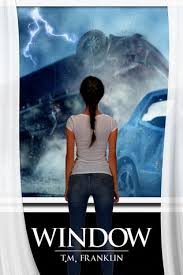
Window

ME:  You’ve also written and published short stories—Window and A Piece of Cake. The former was an Amazon bestseller and the latter was included in the ROMANTIC INTERLUDES anthology.

Romantic Interludes

Which is harder for you: writing a novel or a short story, and why?

TAMI:  Oh, I would say a novel is definitely more difficult – especially a series like the MORE Trilogy. There is just so much more to keep track of – story arcs that carry on from book to book, as well as subplots that are resolved within a single book, not to mention all of the characters!

With a short story, it’s all so quick. There’s really only time for one main plot, and a handful of characters, so it’s much easier to focus on that. The downside of a short story is making sure the characters are sufficiently fleshed out. You have chapters and chapters to get to know a character in a novel. You really have to make your words count in a short story.

(Amen!)

ME:  Please describe your writing process and tell us what you’re working on next.

TAMI:  My writing process has really become pretty organized. I start with a three–page synopsis of the entire book (something that’s required by my publisher when I submit.) From that, I flesh out a chapter-by-chapter outline, then divide the chapters into scenes. I use yWriter5, a free writing software download that allows me to input the chapters and scenes, and then I can move them around, add notes, keep bios on the characters, etc. That’s a huge help for me.

(My author friend, Marsha Ward, first tipped me off to yWriter5. As a Mac user, I’ve moved on to Scrivener, but yWriter5 does work really well.)

Right now, I’m working on TWELVE, the third book in the MORE Trilogy. I just received a release date for that and it will be out October 9, 2014. I’m also working on a YA romance about a quirky boy who sets out – in a rather unique way – to win the heart of the girl of his dreams. It’s called How to Get Ainsley Bishop to Fall in Love with You, and we’re still working on the release date for that one.

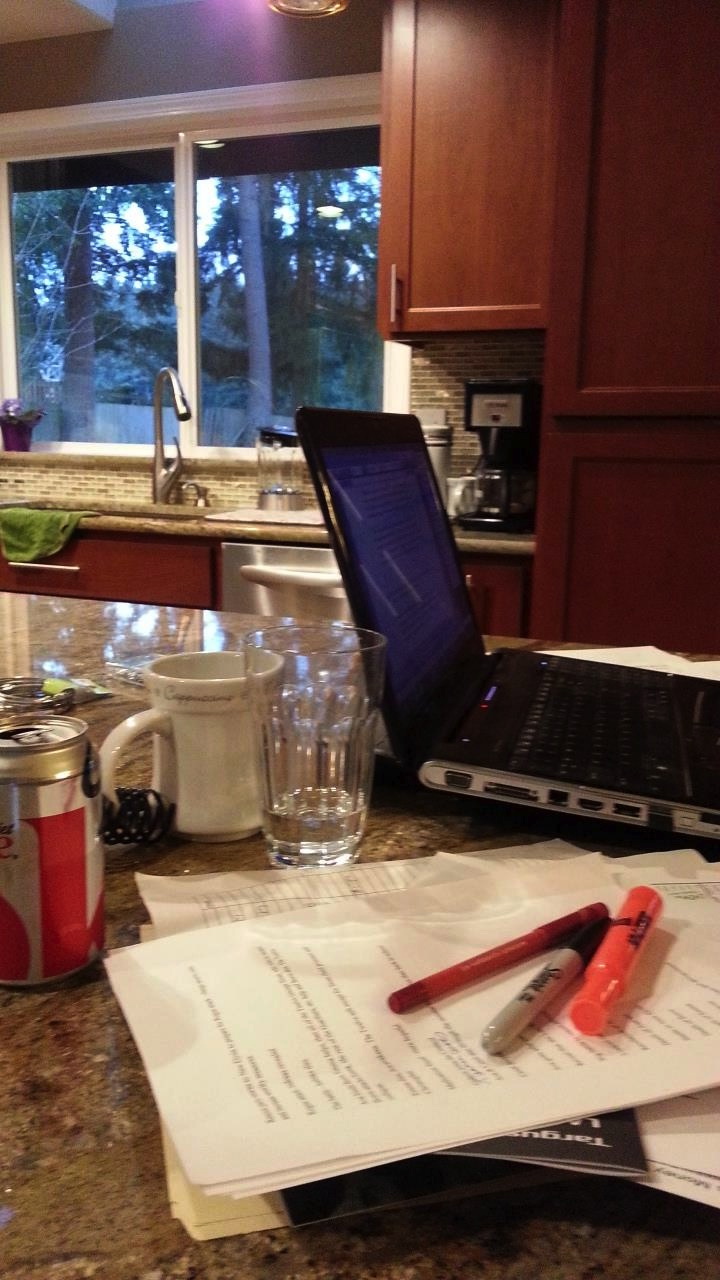
ME:  Finally, please describe your office or writing space in the voice of Ava, your protagonist in MORE. (And I must have a picture to see how it matches up.)

TAMI (as Ava):

Tami doesn’t write in an office or at a desk. She has her computer set up on her kitchen island. Why? Well, if you ask, she’d probably say it’s so she can spread out her notes, or so she can have a view of the back yard. The REAL reason, I’m convinced, is that she’s two steps away from the coffee machine. She may not have any writing rituals, but she guzzles coffee like there’s no tomorrow. Around noon, she switches to either water or Diet Coke, so amidst the papers and pens, you’ll often find a cup, glass, and can or two. It’s a little cluttered, but she swears she knows where everything is.

Image 1(Not too messy, I’d say)

By the way, Tami’s MORE was a 2013 Finalist in the Kindle Book Review’s Best Indie Book Awards:

2013 Finalist

And here’s a peek at the book trailer:

If you’d like to learn more about Tami, check out her website, Facebook page, or Twitter page. You can also order any of her books on Amazon. In fact, if you’re interested, she’s offering a giveaway of both MORE and her latest in the series, THE GUARDIANS. The giveaway is good until December 2nd.

a Rafflecopter giveaway

Next week I’ll be back to interview best-selling author, Trina Boice, who specializes in nonfiction for LDS readers.

Trina Boice

Originally posted 2013-11-13 06:00:04.

“Wednesday Writer” – Bernard Besson

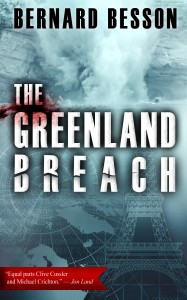
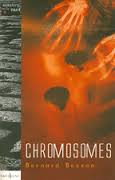
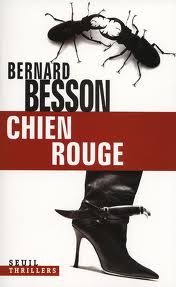
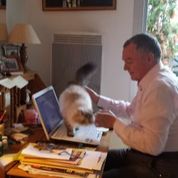
Thriller writer Bernard Besson has won multiple awards as he’s crafted stories based on his own experiences working in French intelligence and such modern phenomena as climate change, which he researched for his new American release, THE GREENLAND BREACH. I was happy to have an opportunity to interview him recently.

Besson_240_small-206x300ME:  I see that you were born a few years after the end of World War II. What was your childhood like in Lyon, France, and could you still sense the effects of the war? Also, did those effects have anything to do with your later joining the French intelligence service, and, if so, how?

BERNARD:  I was born in 1949 in Lyon, France. I remember when I was seven or eight walking across a “temporary” metal bridge over the Rhône River. The retreating German Army had bombed all of the city’s bridges. I understood later that the bridge in question had been built by the American army; it was still in use many years later.

In World War I, my grandfather had fought victoriously against the Germans at the battle of Verdun, and at home he reproached my father for having lost. I was raised with both memories of a victory (1918) and unthinkable defeat (1940). That confrontation between generations was a little confusing for a little boy. (I can well imagine.)

These feelings were then strengthened with the wars in Indochina and Algeria, and those defeats. It was these military disasters that, in part, explain why I signed up to work for the state, along with the admiration that I still have for General Charles de Gaulle. So it wasn’t entirely by chance that I chose to work for the police and then later for the intelligence services.

When I was little, I didn’t want to see my country continue to lose on the battlefield. I remember when I was a kid going to see a movie with my parents that had something to do with Waterloo. I cried at the end and wanted “Mister Director” to rewrite the scene.

We spent the summer with my younger brother and my mother in Dun-les-Places, in the Morvan, a rural, wooded region in central France. The little town was one of the only ones in the area to have new houses and streets with right angles. One day, as I came out of church with my two great aunts (my grandfather’s sisters), they told me why that was. On June 26, 1944, German soldiers had shot 27 men in the village church. They made the priest climb up the steeple and shot him in the head because he had blessed fighters in the Resistance. Then they threw fire grenades into the church. All the houses in the village were burned down in retaliation for what the Resistance was doing in that wooded, mountainous region.

My father was arrested by the French gendarmerie in 1942 when he tried to join the resistance. He was delivered to the Germans and deported. He resisted in Germany, and went on strike with others. Then he was sent to the Russian front to build anti-tank trenches, and punished a second time, to be sent to Rhineland to rebuild the roofs of the Messerschmitt factories that the Americans kept bombing. He was finally freed by the American GIs.

(I can see that World War II had a very real impact on your family. Thanks for sharing such details.)

ME:  How old were you when you determined to become a writer and what fueled your desire?

BERNARD:  I was fifty when I published my first novel, the Vierges de Kotelnikovo. When there was a shift in the French government, I found myself in another department, working for the Inspection générale de la police. I had way too much free time and was bored. I had written a few books already about business intelligence, and I thought I knew how to write and it would be easy to write a novel. It turned out to be much more difficult than I imagined.

ME:  What kind of preparation, academic or otherwise, did you have before you entered the intelligence world, and what personal characteristics made you so successful in your field?

BERNARD:  I studied law in Lyon and then in Paris. I wanted to have a Masters degree in law to pass the competitive examination to be a police chief. I did so in 1974. I was the youngest in my class. But I didn’t want a career in the police, because I don’t like firearms and have no taste for dead bodies. So I chose to work in intelligence right after graduating from Saint Cyr National Police Officers School. I never regretted the choice. I met many people who offered me interesting, high-ranking positions. I was able to work with a team of loyal colleagues, some of whom followed me to Paris and are friends. They taught me things I didn’t know. A good leader is one who chooses people who are more competent and more brave than he or she is. (Very wise.) And I had my fair share of them.

ME:  At what point in your career did you decide to write thrillers and what was the impetus behind your decision? Also, please tell us the title of your first novel, published in 1998, and how you conceived its storyline. (I would love to post a cover image, even if there’s no translated English edition.)

BERNARD:  I got inspired to write my first thriller when I was at the DST, which is French counter-espionage, or the equivalent of the FBI. I was very lucky to be working during the fall of communism and the Soviet Union. We were able to understand how networks of Russian, Bulgarian, Polish, Czech and Romanian spies worked with their allies in France.

The Russians from the KGB and the GRU were not in any hurry to return to Moscow. Living in Paris was much more agreeable than a future in Siberia. (I’ll say!) So we gave them an opportunity to explain how their system worked. I was impressed by the people skills these spies had, their extraordinary imagination and their patriotism that had been put to the service of a blind and incompetent dictatorship. The time frame was 1989 and 1993.

That is were I got the idea to write a novel and I began the Vierges de Kotelnikovo in 1985. This book recounts how the GRU, the Red Army’s intelligence branch, had imagined assassinating the president of France an hour before launching a nuclear war.

Bernards first book We discovered how widespread the network of spies was among what we called the “French elite.” I had been prepared for this debriefing work when I was in Lyon in 1985. There I was given the job of finding former French collaborators of Klaus Altman (Barbie), who had headed up the Gestapo, in order to get new elements in view of his trial in 1987.

I got an inside view of how the Gestapo had operated in eight different French départements, including three in the Alps, which was a major area for the Resistance. It was a very interesting experience. (I can only imagine.) My team and I were able to understand what tricks and organization Klaus Altman and his political police had used to manage to destroy the armed resistance in the region around Lyon and in the Alps.

ME:  As the daughter of a former CIA agent, I know that guns and spies do not necessarily go together—that it’s more about making contacts and gathering intelligence—but how large a role do weapons play in your novels? Do you try to follow the style of John Le Carré or tend more toward Robert Ludlum and Clive Cussler?

BERNARD:  Fortunately, I have never in my career used a weapon or killed anyone. I am happy about that. My characters don’t do it much either, or at least not with the usual kind of weapons. In THE GREENLAND BREACH, John Spencer Larivière uses a screwdriver and Victoire Augagneur a broken window in order to get rid of their bothersome adversaries.

I truly appreciate the professionalism of American authors. You don’t need to be a former spy or counter spy to write a good spy novel. It can help, but it can also hinder. I have learned not to explain things to my readers, but to leave my characters to act. Showing and not telling.

I do not try to follow the style of any particular author because I read very few mysteries and thrillers. But I loved Conan Doyle’s talent and the fast-paced action in James Bond.

ME:  Your latest work of fiction, THE GREENLAND BREACH, has been described as an eco-thriller. Have you written this kind of thriller before and what made you decide to do it now? Also, please tell us the main messages, if any, that you were trying to convey through the story.

greenlandbreach_750x1200-187x300BERNARD:  THE GREENLAND BREACH is my first eco-thriller. It was the debate among scientists in France that led me to write this novel. They do not all agree on the causes of global warming. And Greenland itself is a character in the novel.

After a career in intelligence, I continue to work in the field by teaching in the French “competitive intelligence” program. The most prosperous nations are those that are able to understand and anticipate economic changes as well as natural changes. In THE GREENLAND BREACH we have both. It was very tempting to tell a story that recounted this reality. Fiction makes it possible to tell more truth than an academic work filled with numbers and statistics.

(And it’s much more enjoyable to read!)

ME:  You have won several awards, including the Prix de la Chouette de Cristal, the Prix Edmond Locard for Best Science Thriller, and the IEC Prize for Economic Intelligence. Which book was honored for each of these, and which award means the most to you personally?

BERNARD:  I received the Prix Edmond Locard for Best Science Thriller for Chromosomes in 2000. It’s the story of a duel between two pharmaceutical companies—one French and one American. One of the two companies is trying to cure someone on death row and discovers something extraordinary and totally unexpected, as often happens in scientific research. You look for one thing and find something else.

 Chromosomes 1

In 2008, I received the Prix de la Chouette de cristal-IEC for Chien Rouge. “Chien rouge” or “red dog” was the nickname for the head of Japan’s intelligence services, a former director of Toyota. Japan’s prime minister asked him to anticipate a situation where the Americans and the Chinese would agree to split up strategic raw materials “forgetting” Japan all together. Operations are running smoothly until Chien Rouge has to defend Japan in a crisis situation. Part of the action takes place in my hometown of Lyon, where the Chien Dog has a talented female spy working in nanotechnology.

chien rougeME:  I understand that you currently live near the offices of French intelligence in Paris. Do you regularly get together with old colleagues and how helpful are they in terms of research?

BERNARD:  In fact, I live in the same neighborhood as my heroes John Spencer Larivière, Victoire Augagneur and Luc Masseron. They live and work out of 9 Rue Fermat in the fourteenth arrondissement of Paris. (Note: An arrondissement is a municipality or district.) They are former intelligence officers who left the DGSE for personal reasons. John had been wounded in Afghanistan, Victoire was bored and Luc had no skill in an administration. They founded Fermatown, a private intelligence company named after the Rue Fermat, but doesn’t yet earn a lot of money.

They now live (as of the sequel to THE GREENLAND BREACH, which is being released in French on Oct. 31) with a baby and a Persian cat in a house that John inherited from his American aunt, a sculptor. The building is really hard to heat, not very practical, and hugely expensive to maintain. But it is located in a great neighborhood called the Village Daguerre, which is a little bit like the Notting Hill of Paris.

(Hmm…could that Persian cat be anything like your own?)

Bernard Besson at desk with cat(Bernard’s cat editing his work)

I often see my former colleagues and it is always a great pleasure. But I also meet with heads of French companies interested in setting up ethical and legal in-house economic intelligence systems based on open source solutions, which are the most efficient. I help these organizations develop these solutions, which requires a long-term investment in people–a company’s most important resource.

ME:  Please provide a description of your writing process. Also, what are you working on next?

BERNARD:  I go to bed early, I think at night and I write early in the morning. I always come up with an extremely detailed outline for my novels. Certainly to reassure myself. And then, very quickly, my characters destroy my outline, because they have ideas and reactions I had not thought about. (Naturally.) I have learned that they are right, because life comes out on top over theory.

Right now, I am finishing a story inspired by the Cuban crisis between the United States and the USSR in 1962.

And, the sequel to THE GREENLAND BREACH will come out on October 31, 2013 in French. It has the same heroes. In this new thriller, Partage des Terres, thanks to the United States and their allies, including France, China has to share the exploitation and trade in rare earths with other nations. These precious metals are used in medical, military and information technology. The rare earths markets are set up in Paris and Malaysia and run smoothly until a grain of sand throws off the well-oiled international finance machine and obliges the CIA to put its best Asian agent on the trace of a mass crime in France.

(Sounds intriguingly complicated.)

All these stories are reread and corrected, sometimes severely, by Claudine Monteil, my companion for the past twenty-three years. She is a historian and writer herself who has published several books that have been translated into several languages. She provides great inspiration.

ME:  Finally, could you describe five items in your writing space or office that make it uniquely yours? (And I’d love to post a picture of your writing space.)

BERNARD:  My office is in the apartment that Claudine and I share in Paris. I have a normal wooden desk covered in sticky notes, which I use to write down ideas whenever they come to me.

desk with sticky notes(See the sticky notes?)

We have a slightly bizarre painting by Boldy that represents a cat, and a real cat named Caresse, who plays a role in THE GREENLAND BREACH. (Now I really must read it! Cats rule!) We also have a portrait of Simone de Beauvoir, painted by her sister, an artist Claudine and I knew.

cat poster(Bernard with Caresse beneath the painting by Boldy…I think)

You can learn more about Bernard in this interview and from his English publisher, Le French Book. As I noted on Monday, THE GREENLAND BREACH is available on Amazon, iTunes, and Nook.

I’ll be taking a break next Wednesday when I go to a writing retreat, but look for my interview with fantasy author T.M. Franklin on the following Wednesday, November 13th.

T.M.Franklin


Originally posted 2013-10-30 06:00:09.

“Wednesday Writer” – Jeanette Bennett

All I can say is, if Jeanette’s fiction is half as funny as she is, you’re going to want to pick up one of her time travel novels right away. This was a particularly entertaining interview and some of the pictures are laugh out loud funny. :D

Jeanette Bennett(By the way, Jeanette looks a lot like my sister-in-law with this expression)

ME:  Please describe your childhood and the role that books played in your life. (I would love to post a picture of you as a child.) Also, to whom do you owe your sense of humor—your mother or your father (or some aunt or uncle)? (I’d love a picture of you with that person.)

JEANETTE:  I had a rather weird childhood. When I was six I asked my mother what I was. She told me I was Choctaw-Cherokee Indian. When I was eight I discovered that was really two tribes, not one. The other kids never teased me when I told them I was Indian. They just backed away slowly like I was crazy. Maybe because I had blue eyes and blonde hair. Maybe because I’m not that much Indian. Then when I was twelve Mom said “Oh, and you are also Irish.” And yet the whole time I was growing up, she and my grandmother both told me that of all the kids I looked the most like my great-grandmother Domie who was English. So apparently I have the recessive English genes of an Irish-half breed family. It’s hard for me to reject my heritage since I’m kind of confused as to what it is.

Baby pic(And here she is looking very Indian-ish)

I always loved books. My first experience was my first trip to the school library in first grade. The teacher took the class to the library and told us we could all check out a book, so I grabbed one. It was about a little boy getting dressed. It was the most boring book I have ever read. I read it three times. I was just so enthralled with being able to read a book. Then the teacher told me I could check out another one. I was even more excited. I learned that day I loved books. I also learned to look at a book before you check it out. (:D)

The sense of humor comes from my mom’s side of the family. Whenever we gathered for family reunions, before we even said hello, we exchanged jokes. My grandmother and grandfather (Bob and Jewell George) always saw the funny side of life, even when it wasn’t funny. They were dirt poor Okies who had come Out West to find work during the Depression. Life was hard on them, so they got revenge by making fun of it. During a disaster, like a flooded basement, my grandma would say, “Someday we will look back on this and laugh.” And guess what? We never did! But we do laugh at grandma always saying that.

Jewell & Bob George(Grandma looks like she just told a joke and Grandpa looks a bit mischievous…like maybe he’s waiting for you to sit down on that whoopee cushion he planted)

ME:  What about your childhood or adolescence made you fall in love with time travel and history?

JEANETTE:  As a kid I didn’t really like history–at least not the history that they taught in school, which was nothing but dry facts, dates and cardboard characters. What really bothered me as a kid was the way Indians were portrayed in movies and television, because I knew my grandparents weren’t savages.

So I started reading up on Native Americans. Turns out Hollywood lied. Then I wondered if maybe they lied about black history, too, and started reading up on that. If history is written by the winners, I want to read about the losers! I want to find the real history. The more obscure the more I like it.

I like the absurd time paradoxes of time travel, but the real reason I write time travel is an excuse to hop about in history to different places and show what it was really like down to ignored details. That’s what my Temporal Anthropologists are all about. For them recording a special event is secondary to recording the mundane that was never recorded. (By the way, my Temporal Anthropologist Dr. Wendell Howe has a blog about his travels in the Victorian Age and you can see stuff you probably never knew.)

(Now that is something I’m going to have to check out!)

ME:  Please explain the term “Scablander,” so that my readers who are not familiar with the terrain of Eastern Washington will understand why you refer to yourself that way. If you didn’t invent the term itself, where did it come from? (And may I please share the wonderful masthead created by one of your fans for your website, along with its explanation?)

JEANETTE:  When I was a kid growing up in the Columbia Basin, I always heard of the Scablands in whispers and wanted to visit it. Then I discovered I had been living in the Scablands all along.

scablands(The Scablands of Eastern Washington bordering the Columbia River…the uninhabited part, anyway. It does kind of make you think of a scab under a microscope, I suppose.)

Apparently the name came from pioneers passing through here as quickly as they could to get to decent country. Back in the Miocene Age, the area was flooded with lava from volcanoes again and again until the basalt was 6000 feet deep. Over time, topsoil buried it, but then during the Ice Age the Missoula Lake (what is now the Bitterroot Valley in Montana) kept flooding Eastern Washington until it scoured the top soil and dumped it all in the Palouse Hills and Willamette Valley, creating fertile farmland for them and nothing but basalt and blow sand for the Scablands. It’s all sagebrush and tumbleweeds. Is it any wonder we were picked for the Hanford Atomic Works in World War II? If it blew up, who would notice?

This area is so isolated that there are Wanapum Indians living on the river who avoided being sent to reservations because no one noticed them! I use “scablander” for my website name because I spent most of my life in the scablands. And it’s easier to remember than my name. For some reason most people either can’t remember it or spell it.

scablander500_mast(Her hand-drawn masthead. Each letter represents a character or aspect from one of her books. Click on it for a larger view, and go here for an explanation.)

Feel free to share the Masthead. Best birthday gift I ever got. (It’s very impressive!)

ME:  You’ve described yourself as a nerd. How so?

JEANETTE:  Nerd: One who is socially inept, fashion challenged and just a plain misfit.

When I was twelve, I had the epiphany that I was never going to fit in no matter what I did. Rather than feeling sad, I suddenly felt liberated! I march to my own drummer–even if he is offbeat. (Nerds unite! I’ve been called a nerd, too, though indirectly.)

nerd(Jeanette the Nerd…She says she looks like Amy on “Big Bang Theory”)

ME:  What attracts you to the Victorian period, and similarly (or not), what do you like about the genre of Steampunk and how did you come to write a short story in that genre?

JEANETTE:  My character, Dr. Serendipity Brown, is so bold and brash I thought it would be fun to have her meet a repressed, stodgy Victorian. Dr. Wendell Howe is really from the 27th century, but has been trained to fit perfectly into the Victorian Age. I’ve had people tell me he is a “steampunk” character, but since he is pretending to be Victorian, he is really “steambunk.”

(:D)

To be honest I have always been attracted to the Victorian Age. I think because so much was happening. It started with technology that was hardly more than medieval and ended up with the Modern Age. Steampunk just takes that flurry of invention and bumps it up a notch.

steampunk(She says this was her attempt at a bustle for her Victorian tea party in 1974. She was doing “steampunk” before it ever became a trend…because that’s what nerds do.)

As for my steampunk story, Sky Warrior Books was doing a steampunk anthology. My husband bugged me to submit a short story so I wrote one about Wendell meeting the Wild Bunch (the real one and not the Hollywood version.) When I submitted it, I explained it was really steambunk rather than steampunk and waited for the rejection letter. They accepted it! (Smart publisher!)

ME:  Tell us about your on again, off again affair with the written word and which individual(s) played a role in encouraging you to get published? (Please provide a picture of one or more of those individuals.)

JEANETTE:  I never really fell out of love with writing. It’s just I thought it would be best if we parted since I would never be good enough. So when I was thirty-one I bid a tearful goodbye and decided to get on with my life. Then twenty years later my husband decided to take welding classes at night. So rather than sitting around feeling sorry for myself, I decided to write while he was in class. I fell off the wagon and went on a writing binge.

(Good for you . . . and us!)

Rather than being upset with my addiction, my husband Mike seemed delighted. Who knew? He became my sugar daddy and muse. And whenever I say “maybe I should quit this selfish foolishness,” he tells me to keep writing. (Like telling a drunk to keep drinking.)

Mike Farley(Her muse)

ME:  Please share the publishing story of WALKING A FINE TIMELINE.

UnknownJEANETTE:  My husband really liked my story and thought I should publish it. My family and friends liked it, too. I went to panels and heard all the horror stories about publishers, so I never bothered to submit to them. I didn’t want to work with people out to rip me off–I could do that myself. I found out the two things you need to self-publish are an editor and a graphic artist. Guess what I did for twenty-five years? I had already set up books and websites. Even so, it was scary!

I also discovered great software for setting up books that is affordable. Check out Serif PagePlus for under $100. It compares favorably to Adobe InDesign and is much better than the more expensive Microsoft Publisher or CorelDraw. I have worked with them all. (And no I am not getting kickback.)

(Thanks for the tip!)

ME:  Do you outline or are you a “pantser” when it comes to plotting? If you do outline, what method do you follow?

JEANETTE:  “Pantser”–or maybe it’s “quilter.” I get these scenes in my head that I write out before I lose them. I might have a list I make of what order I have them in, then don’t bother to look at it again. I just write, weaving in the scenes or tossing them out. Completely unorganized. That’s what rewriting and editing are for. I don’t know if that’s the best way to write, but it’s best for me.

ME:  What are you working on now?

JEANETTE:  The Fairhaven Home for Wayward Time Travelers. Terrorists from the 27th century decide the best way to protect history from being manipulated is to eliminate all time travelers and then Dr. Serendipity Brown, the woman who invented time travel. So she hides out in a Victorian mansion in 2010 Bellingham, Washington where they will never find her (she hopes) along with her assistant Sherman and her time travel consultant, Dr. Wendell Howe. They also share the house with five other temporal anthropologists she saved in the past from the terrorists and one of her ancestors she decides to bring back.

(Definitely sounds intriguing.)

ME:  Finally, please describe your favorite writing space in the voice of your main character, Dr. Serendipity Brown, as if she had just stumbled upon it in one of her adventures. (I must have a photo of that place, whether it’s out in nature or inside your home.)

JEANETTE:  Okay, you asked for it…

(Uh-oh. Just kidding, she really got creative here, so settle in for a fun read.)

Two crazy willows beside a suburban road begin to sway. A glowing spot appears beside the curb. Slowly four tires appear, starting from the bottom working up, then a U-Haul Truck materializes as though an invisible stage curtain was being raised. The roof appears and it stops shimmering. 

A door swings open from the side of the cargo compartment where no door is showing. Out steps a middle-aged woman with dark brown curly hair bouncing off her shoulders. She is wearing purple pants and a loose blouse. “Come on, guys!” 

A skinny, short teenage boy with horn-rim glasses follows her, wearing a black Def Leppard T-shirt and jeans. Glancing around, he brushes his black hair out of his face. “Are you sure this is the right place, Ser?” 

“Of course, Sherman. Wendell says it is and our Dr. Howe is never wrong.” 

A man of medium height, medium build with medium brown hair steps out of the time machine. He is wearing a brown frockcoat and top hat, staring at an open pocket Bible. “My computer says these are the correct coordinates, Dr. Brown.” He closes his computer and slips into a pocket inside his frockcoat. “Hmm.” He studies the white 1940s house in front of him. “Hardly looks like the home of a writer, wouldn’t you agree, Serendipity dear? Of course all the writers I have ever met were back in the Victorian Age.” 

“So who is this Janet Bernet, anyway?” Sherman asked. 

“Jeanette Bennett.” Wendell corrected him. “She was a little known author who apparently predicted time travel would be invented in 2353 by a woman in Beaverton, Oregon–a woman named Serendipity Brown! Far too much of a coincidence. She could cause history to go awry. At some point she must have traveled forward in time and we must find out how.” 

“Pfft!” Serendipity screws up her face. “You and your stupid ‘time manipulation.’ I just want to meet her. Besides she never made the New York Times Best Sellers List, so how much influence could she have?” 

“I must say, I had a devil of a time finding any information on her.” 

Serendipity marches up the concrete steps and bangs on the mahogany stained door, streaked where water had unstained it. 

“Are you barking mad!” Wendell rushes to her side. 

“Come on. I saw this Janine’s photo. She doesn’t look like anyone who would carry a shotgun.” 

“That’s Jeanette, not Janine.” Wendell corrects her. 

Serendipity knocks again. “I don’t think anyone is home. Maybe we should let ourselves in?” 

Wendell looks about nervously. “Well, I don’t like breaking and entering, but the less contact we have the better. The lock looks like the old tumbler locks. My key should work.” Wendell pulls out a skeleton key and sticks it in the keyhole. He twists the loop on top and it begins to hum as it vibrates. He then tries the door and it swings open. 

“Dear heavens!” He yelps. “The place has been ransacked!” 

Sherman sticks his head in and glances around. “Naw, just a messy housekeeper.” 

“Hmmpt! The sign of a genius!” Serendipity follows her companions inside. “Now we just have to find her office.” 

Sherman points to a small alcove next to the door. Beside the blinds covering the picture window is a large desk. It has ornate scrolling and inlaid wood that is barely visible under the laptop and books. Above the desk proper are small drawers and cubby holes stuffed with notes, CDs and books. At the top is a long shelf with a CD player and over a dozen books. It has to be the nicest piece of furniture in the front room. In front of the desk is the matching chair, the cushion covered with a lavender blanket, which in turn is covered with cat hair. Beside it is a TV-tray-sized movable computer table, set lower than the desk, upon which sits a small netbook computer. 

“That can’t be her office.” Serendipity studies it. “Looks like a desk for writing bills.” 

Wendell shakes his head. “That is a Victorian writing desk, or at least a facsimile of one. Look at the books on the top shelf.” He leans over to read the titles of the books. “Thesaurus, dictionaries, grammar books, The Chicago Manual of Style, How to Write a Damn Good Novel. You don’t have to be Sherlock Holmes to see this desk belongs to a writer!” 

“Or a writer wannabe.” Sherman mutters. 

“Okay.” Serendipity takes charge. “Wendell, you search around for manuscripts while I check the computers. Sherman, you watch out the window to see if anyone shows up.” 

Before anyone could move the front door swings open. A short dumpy woman with long brown hair streaked with silver steps in carrying a paper sack. The sack drops to the floor. “What are you doing in my house?” 

“It’s okay. I’m Dr. Serendipity Brown. You know the woman you wrote about who built the first time machine in 2353? This is Sherman Conrad, my assistant I picked up in 1985 and of course Dr. Wendell Howe, the 27th century temporal anthropologist formerly with Cambridge University who spent most of his life in the Victorian Age. We just came to find out how you found out about us.” 

The mousey looking woman’s blue eyes snap dangerously. “I don’t know who you people are. Get the hell out of my house before I call the cops!” 

“Maybe this is the wrong Janice.” Sherman concludes. “Or maybe the wrong house.” 

“I think you’re right.” Serendipity agrees. “We better get out of here.” 

Wendell tips his top hat. “We do apologize for any…” He stops short as the woman steps past them to grab a broom out of the kitchen closet. Before she can get close enough to make contact, the intruders are out of the house. She steps onto the porch to watch the truck disappear from the top down until it is gone. She drops the broom and stares speechless. 

After a minute she shakes her head, and steps back in, locking the door. Then she chews a finger thoughtfully, and rushes over to her netbook, and begins typing. “Whoa! What a great idea for a novel! Sounds so much better than talking jackrabbits.”

desk(The messy Victorian desk of a genius)

Wasn’t that fun? You can tap into this writer’s mind further on her website or blog. And WALKING A FINE TIMELINE is available on Amazon in either print or e-book form.

Next Wednesday, I’m featuring an interview with prize-winning French thriller writer, Bernard Besson, whose newly translated novel, THE GREENLAND BREACH, is next week’s “Monday Mystery.” Check it out on Monday for an excerpt and then come back Wednesday to learn more about the author.

Besson_240_small-206x300


Originally posted 2013-10-23 06:00:38.