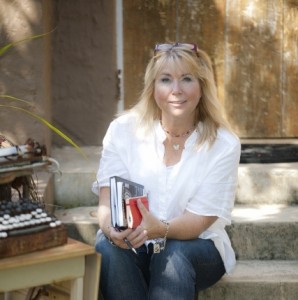
“Wednesday Writer” – Christy Leskovar

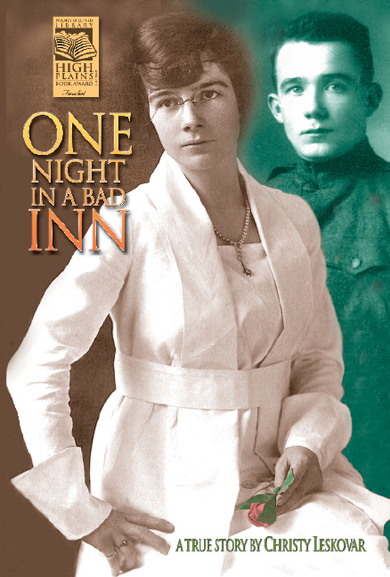
Christy Leskovar had a solid career in mechanical engineering when she happened upon some family history that was too intriguing to ignore. As she delved into the truths behind the tale, she knew this was a story waiting to be written and, setting aside her career, she set off to do just that. What resulted was her first published work–ONE NIGHT IN A BAD INN–a true story of “scandal, war, murder, and mayhem.”
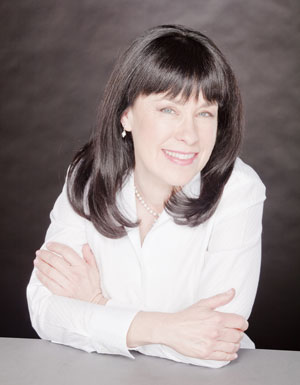
Leskovar_HiRezx300x385ME:  You were born in Butte, Montana but grew up in Kennewick, Washington. Do you have any childhood memories of Butte, and, if so, which ones stand out the most? Also, how does the Kennewick of your childhood differ from what it is today? (I’d love to post pictures of you as a child in Montana and in Kennewick.)

CHRISTY:  Memories of childhood in Butte – playing piano by ear at Grandma T’s while she and Mom visited in the front room; the house shaking at 4 pm when they blasted in the mine; Dad pulling my brother and me on the sled when we went out to the forest to chop down a tree for Christmas; getting a ride home from school in the cab of the next door neighbor’s cement truck; the nuns’ formidable long black habits at St. Ann’s (I’ll bet you have some good nun stories…:D); playing kick the can in the alley; the 9 pm curfew siren; snow so high we could barely see the mailbox.
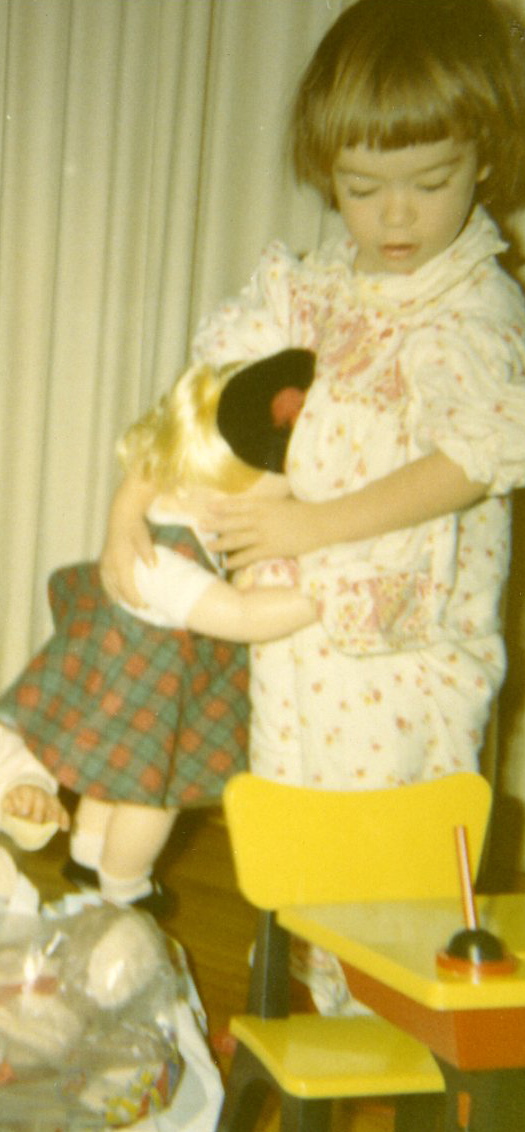
img131(Christy gets a writing desk for Christmas in Butte…signs of things to come)

As for the Kennewick of my childhood differing from today, the Tri-Cities have grown so much since we moved there at the end of 1968. That’s the biggest difference. There are many more wineries too. (Amen!)
OneNightPaperbackCover

ME:  Before you discovered the long-hidden truth about your great-grandmother that led to your writing ONE NIGHT IN A BAD INN, what were some of the most interesting things you had heard about her? (And is there a picture of her with your great-grandfather that you can share?)

CHRISTY: Before hearing that she was arrested for murdering her husband, the most startling thing I had heard about her was that she tried to force her daughter (my grandmother) into prostitution. Grandma T told me that.

(Wow! That was some kind of mother.)
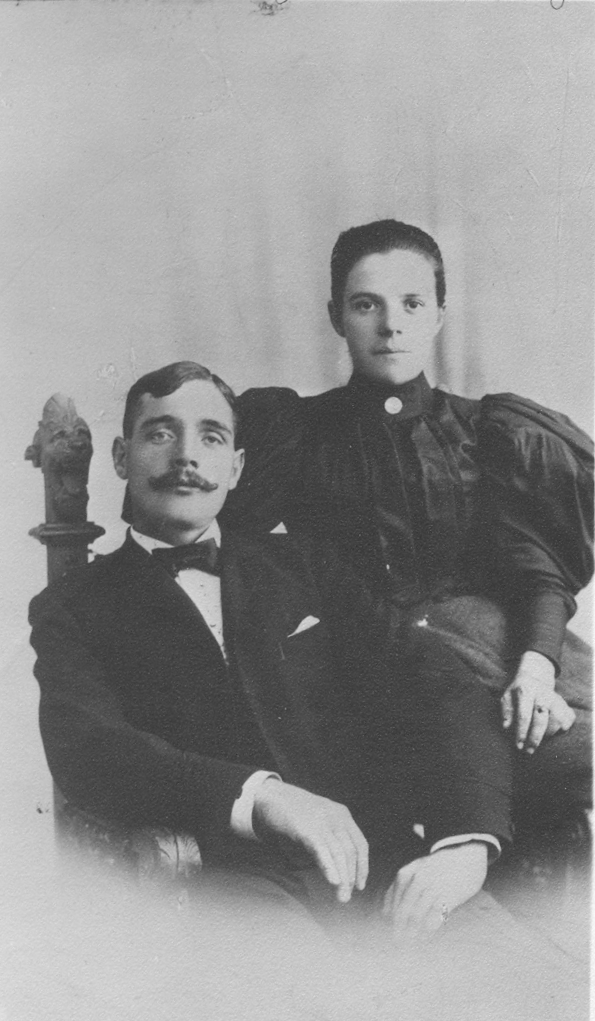
Christy50 024(Sarah with Arthur Hughes before she allegedly killed him…see those cold, hard eyes?)

ME:  Okay, I can kind of tell from your college degrees in both Mechanical Engineering and French that you were somewhat undecided between the Humanities and Math and Sciences. So I wasn’t completely surprised that, after a solid career as an engineer, you decided to put it aside and try your hand at writing. Still, to do something like that, you must have had some early success with the written word. When and how did you know you had it in you to write a book?

CHRISTY:  I didn’t think about it in those terms. I just did it.

(That has to be a record on my blog for the shortest answer to the longest question ever!)

ME:  Some writers seem to have it in them from an early age and stories tumble out of them. Others come to it later in life, particularly when one story, in particular, captures their imagination. Tell us how ONE NIGHT IN A BAD INN came to you and why you were so sure you had to tell this story.

CHRISTY:  I had gone to Butte for a family funeral. While visiting Aunt Aila, she pulled out a box and from it some papers which she passed to us. They were rap sheets from the prison – for my great-uncles Bill and Archie, Grandma T’s brothers. I barely knew she had brothers (no surprise after seeing the rap sheets). Then Auntie Mary told us about the fire on the ranch, and finding the body, and that Great-grandma Sarah was arrested for murdering Arthur. I went home, went back to work at Bechtel, and then one afternoon the idea just popped in my head: I was going to go find out what happened and write a book about it.

ME:  Doing the research for this particular family saga required a lot of travel. Please describe some of the surprising places and events you found you had to investigate to do this story justice. (And I’d love a picture or two from your travels.)
Finding_Cover_203X300

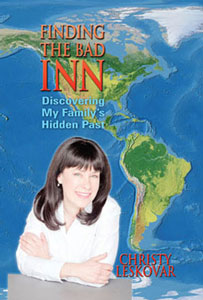
CHRISTY:  It was an unforgettable adventure, chronicled in my second book, FINDING THE BAD INN. One of the biggest surprises was finding out that one of the prisoners escaped. What an escapade that turned out to be.

As for my travels, I went everywhere anything significant happened, which included Montana, New York, Pennsylvania, Oregon, Wales, Northern Ireland, France, and Belgium. I was attacked by a dog on a Welsh farm, had a policeman train his automatic weapon on me in Belfast, and was hospitalized in Belgium. (Can you tell how dedicated she was to uncovering the whole saga?)

Along the way I gathered amazing story after amazing story. One of the most exciting physical finds was discovering the old stone house where Sarah lived in Wales.
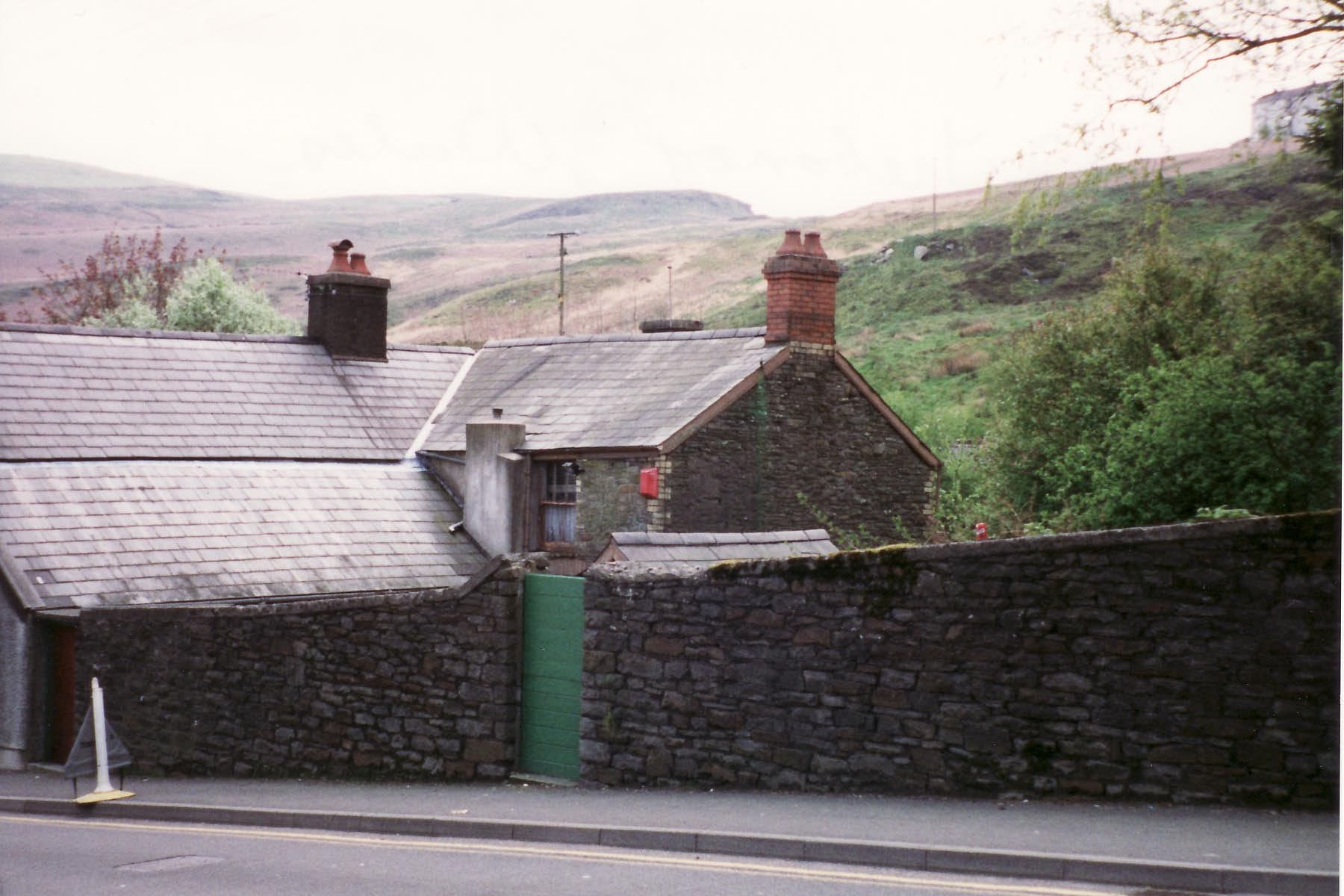
Old Stone House in Wales where Sarah Thomas lived as a child(Sarah’s old stone house in Wales)

(And here’s her book trailer for her second book)

ME:  What or who helped you decide to create a second book out of what was essentially your journey of research for the first?

CHRISTY:  After my trip to Wales, Ireland, France, and Belgium, I felt like I was living in a novel. Finding the story became as interesting as the story I was finding. I decided to write down what happened–my search for the story–just to preserve it for myself. Then I realized, there’s a book here.

In light of what has come out about several memoirs, I’m glad I did it, though ONE NIGHT IN A BAD INN isn’t a traditional memoir in that it was assiduously researched.

ME:  Do you have more stories in the pot stemming from your own family history and, if so, what may we expect to see next from you? I know, for example, that after the murder of her father, your grandmother was sent off to an orphanage. Did you cover her story enough in your first book or can you see possibly devoting a third book to your grandmother’s life story? (And I’d love to post a picture of you with your grandmother.)

CHRISTY:  The story of Sarah’s being arrested for killing her husband is just Part One of ONE NIGHT IN A BAD INN, which has six parts. After the mystery of the fire on the ranch is solved, at least in part, the story continues with my grandmother getting out of the orphanage, moving to the raucous mining town of Butte, Montana, (this was in 1915), meeting her handsome, footloose future husband who goes off to the First World War. It’s quite a story. (It certainly sounds like it!)
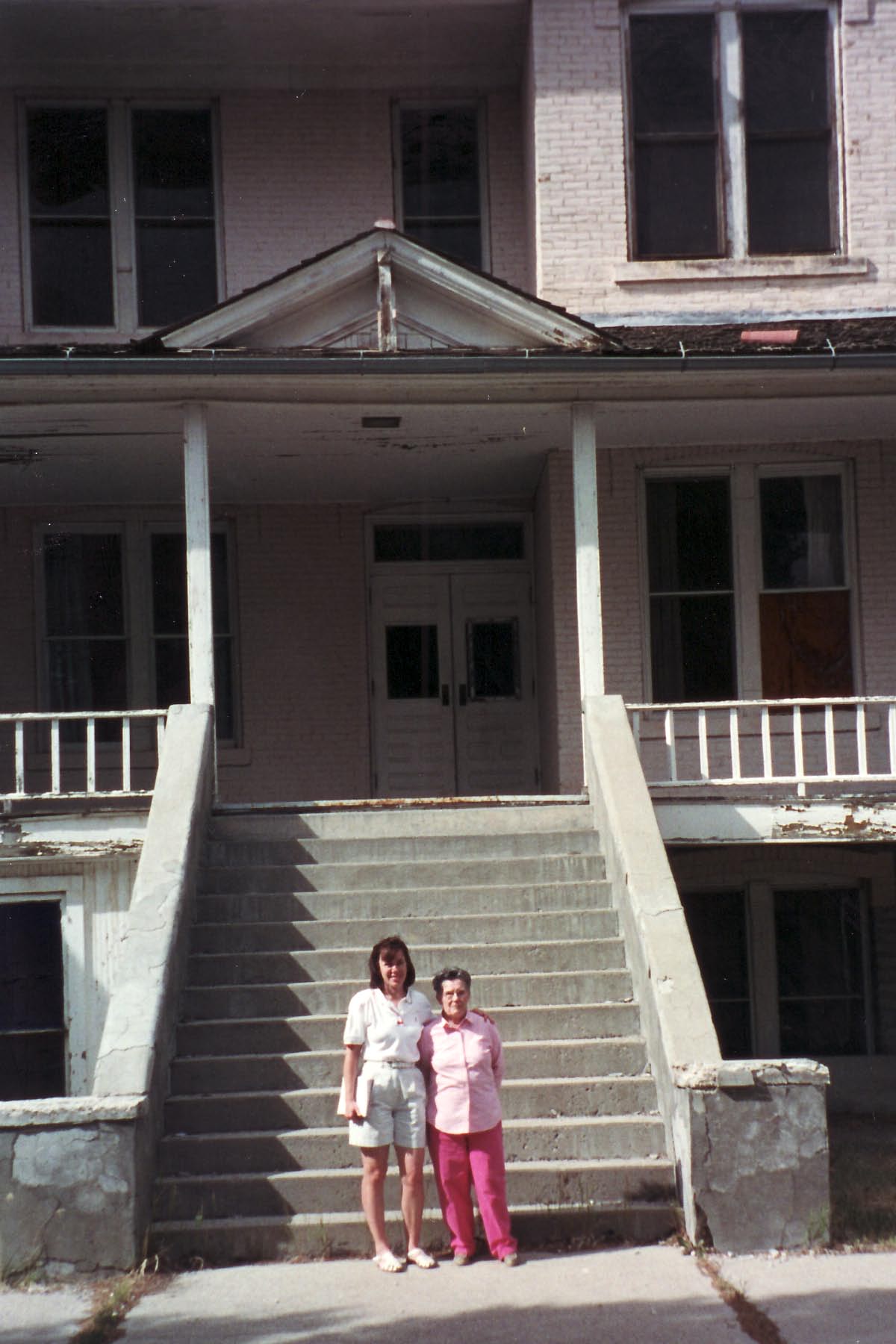
the old orphanage(Christy with her grandmother in front of the old orphanage)
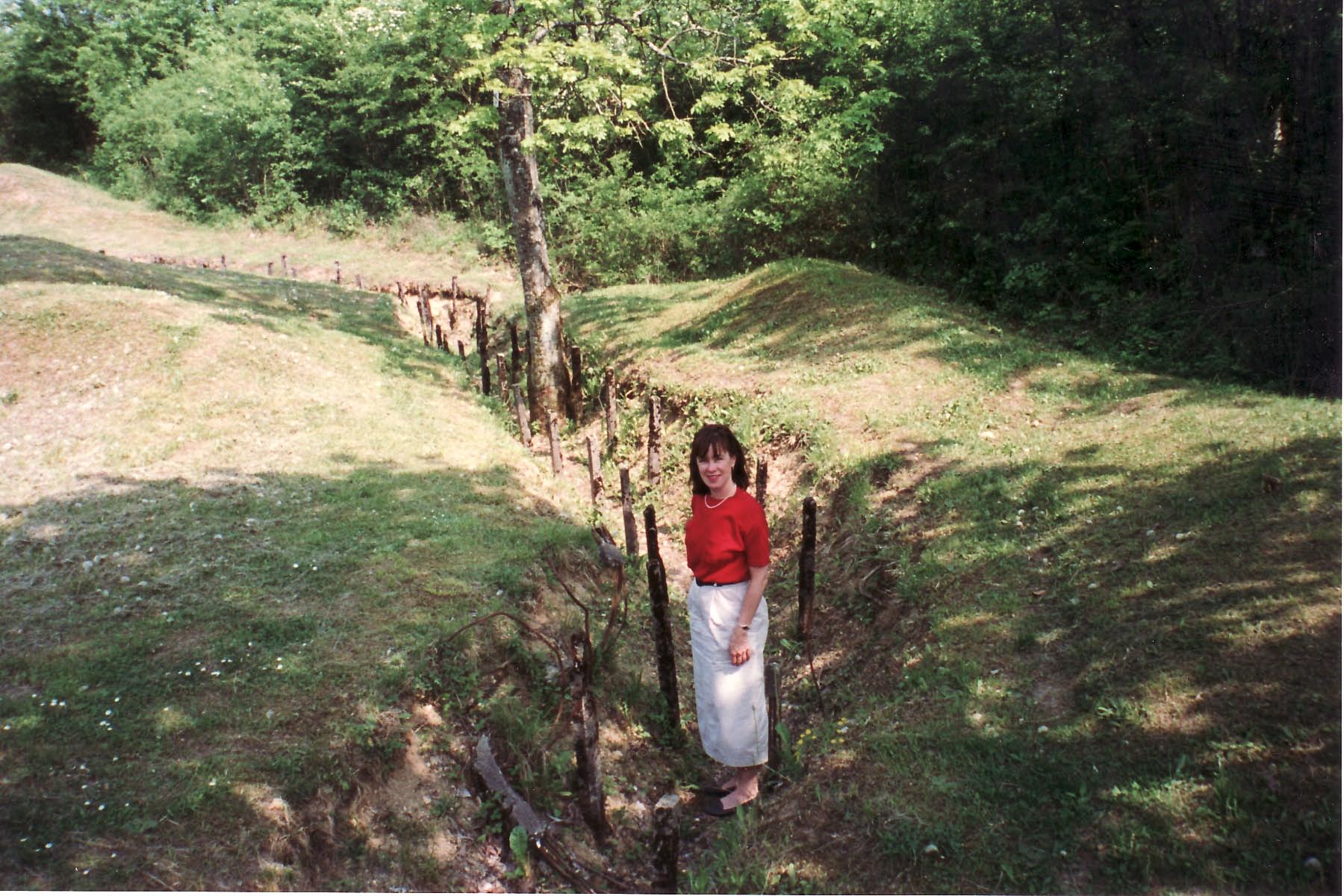
First World War Trench in France

(Christy in a World War I trench during research)

Originally, I planned to write a book about all four grandparents, but as I got into the research, the story grew by leaps and bounds. There was more than enough story about my maternal grandparents for one book. My paternal grandparents are the protagonists of my next book, which I’m researching now. As with ONE NIGHT IN A BAD INN, it will be nonfiction, researched, and put in historical context.

(We’ll have to keep an eye out for it.)

ME:  What are some of the most important things to remember when writing memoir, or true crime, or family history?

CHRISTY:  Get the facts, and the memories, in context. Corroborate everything you can. You find more story that way, and you get closer to the truth. Even things you read in well-regarded “history books,” if something doesn’t sound right, research it.

ME:  How did you personally keep all of your research materials organized so you could quickly find and refer to them as you were writing?

CHRISTY:  I kept notes in notebooks and transcribed them onto the computer. I kept a timeline and notes by subject. I reviewed them many, many times. I wrote from memory, then went back to my notes and timeline to fact check myself.

(As you can tell, writing history accurately requires a great deal of patience and persistence.)

ME:  Finally, could you describe your personal writing space in the voice of your great-grandmother. (And I’d love to post a picture of your office or writing area.)

CHRISTY:  In the voice of my great-grandmother, my goodness! She was a cross between Auntie Mame and Fagin (What a combination!), so I’ll leave that up to the imagination of the reader. As for my writing space, I have a desk with a bookcase and file drawers in front of window with a lovely view, palm trees in the distance.
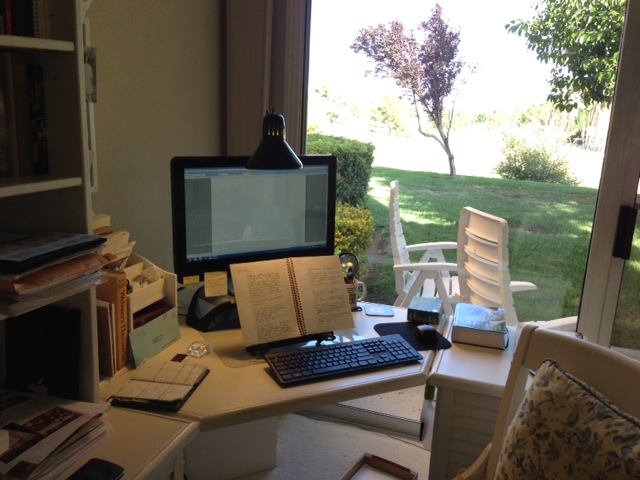
photo of Christy's desk(Hmmm…now how would Auntie Mame and Fagin describe this?)

Seriously, readers, if you want to give it a try, please post your best efforts in the Comments section. :D I’ll let Christy be the judge as to who captures her villainous, adventurous great-grandmother the best.

In the meantime, you can learn more about Christy and her writing on her website. And you can buy her book on Amazon.

Note: I apologize for not posting my promised interview with Karen Spears Zacharias last week, but a family situation came up that I had to attend to. I’ll try and catch her again in a couple of months.

Meanwhile, check back here next Wednesday for my interview with the popular and entertaining poet Jordan Chaney.

Jordan Chaney reciting poetry

Originally posted 2013-09-25 06:00:58.
“Wednesday Writer” – Patty Old West

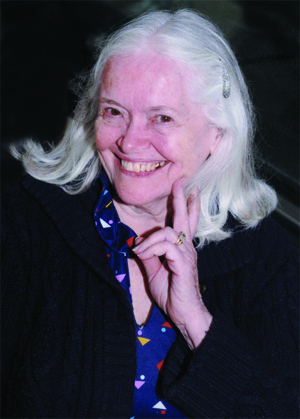
Patty was one of my fellow Pacific Northwest Authors taking part in the recent group signing at Barnes & Noble, and it’s a pleasure to introduce her to you today. She has an infectious smile and I have a feeling that translates to both her children’s fiction and inspirational nonfiction alike.

Patty Old WestME:  I have to admit that when I first read your name, the phrase “The Old West” came to mind and, figuring it was a pen name, I assumed you wrote Western fiction. Of course, once I dug a bit further, I realized that wasn’t so. Please tell us how you came by your name. (And I’d love to post pictures of you with both of your husbands.)

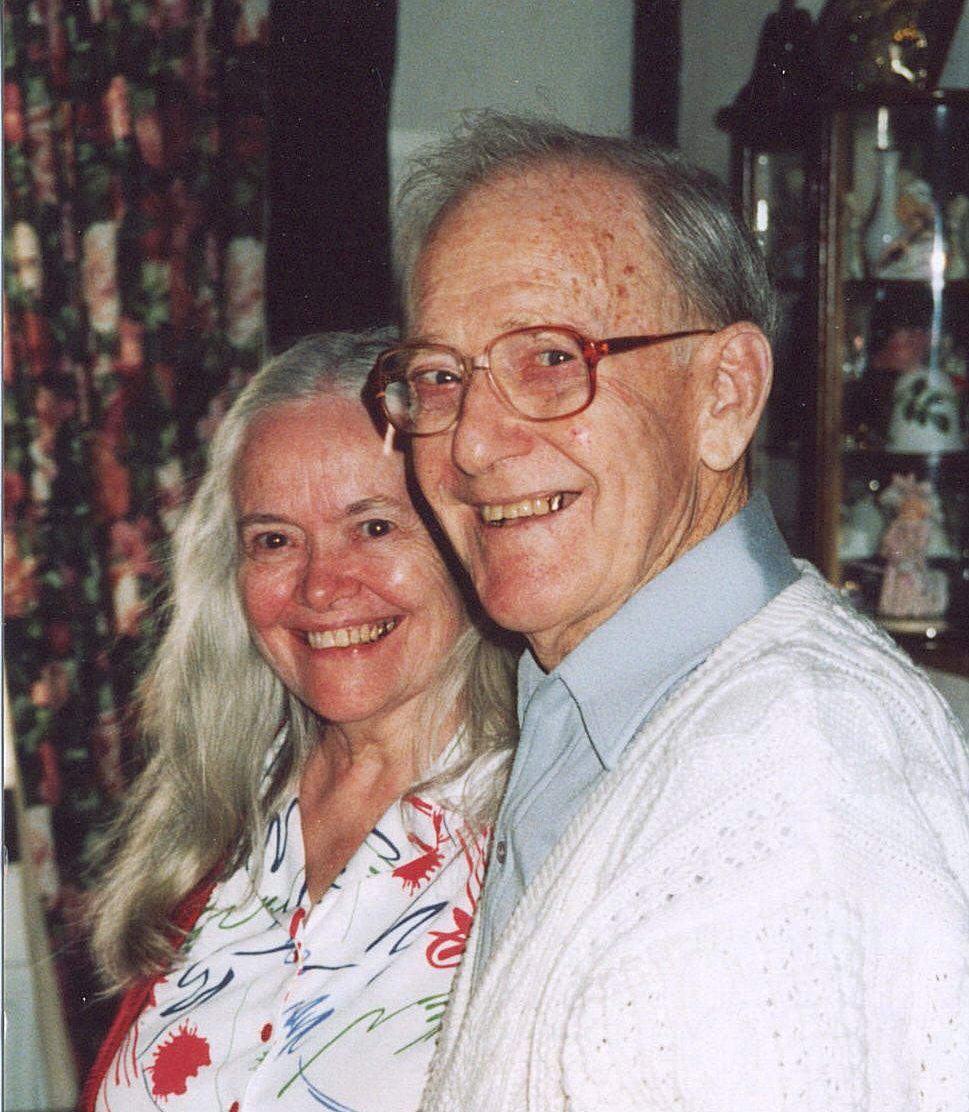
PATTY:  I married Ken Old in 1998 in Kent, England. I had visited him and his wife there in 1993 and 1996 with friends. She died in 1977 and in 1998 I visited on my way to Kenya. I sent him a letter from there saying all my waking thoughts were of him. (Sometimes it pays to be forward, ladies!) Twelve days after he received the letter we were married, and I became Patty Old. In 2007 he died and I moved back to the States.

Reply Patty and Ken(Patty and Ken)

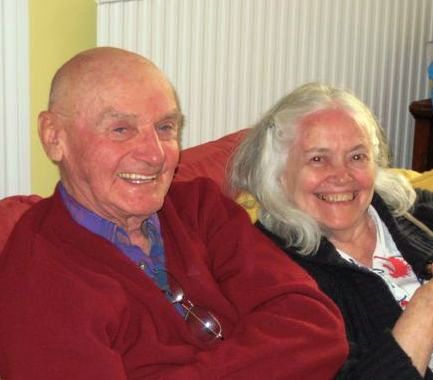
In 2008 I sent a Christmas letter to a man I graduated with in 1949. There was no wife listed with him in our church directory and our sixtieth high school class reunion was coming up.  He replied with his own Christmas card and I let it set until the day before Valentine’s Day when I sent a reply saying if I had mailed it a day earlier I could have asked him to be my valentine. He actually got it on Valentine’s day, and called to invite me to lunch. Five weeks later we were married and I became Patty West. The Little People stories were written by Ken so I used Patty Old West as my author name.

(Aha! Now it’s all clear.)

Reply Patty and Roy(Patty and Roy)

ME:  Where were you born and raised, and how has that affected your view of the world? (I’d love a picture of you as a child.)

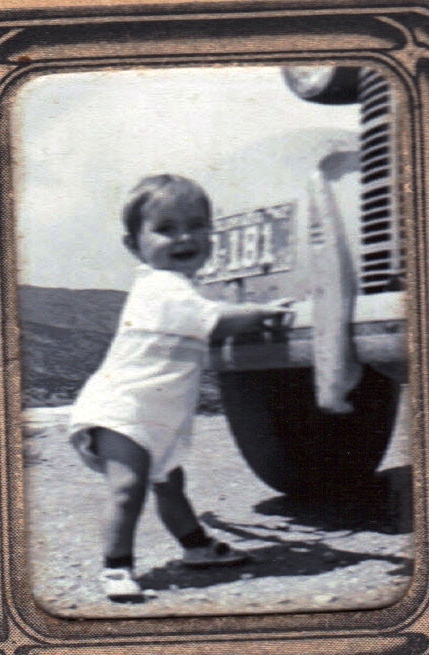
PATTY:  Actually, I am from the Old West. (How fitting!) I was born on Halloween, 1931 in Denver, Colorado at my grandmother’s home. My parents moved to Central City 40 miles west of Denver—a small town at 8,000’ elevation with only 200 residents. Everyone knew everyone else in town. It was known as the Richest Square Mile on Earth for its gold mines.  We lived on the side of a hill and climbing up and down the hills gave me a sense of adventure that I never lost.

Reply Patty 18 months(Patty at 18 months…she already has that winning smile)

I attended grade school there, graduating from eighth grade at the top of a class of eight.  In 1945 my folks moved to Richland. (That’s in Washington State for those of you not yet familiar with me and my whereabouts.) The first question students asked at school was, “Where are you from?” For years my answer was always, “Colorado,” even after I had lived here longer than I did in Colorado. I am a Rocky Mountain girl at heart.

ME:  When did you develop an affinity for writing and/or storytelling, and what made you realize you were good at it?

PATTY:  Actually, it was Ken who wrote the Little People stories and I have edited them for publication. (Stop right there. I’ll let you chalk it all up to Ken, if you like, but I know enough to recognize that it takes a good writer to do editing.) He wrote in King James English and some of his sentences were a full paragraph long. He didn’t have the benefit of moving sentences around, so many of the stories were out of sequence.

I have learned a lot about writing in working with the publisher. I have been encouraged by so many positive comments about how fun and exciting the stories are to read that I am going back to re-edit book one.

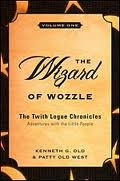
The Wizard of Wozzle (straight)(Volume 1)

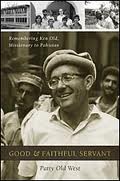
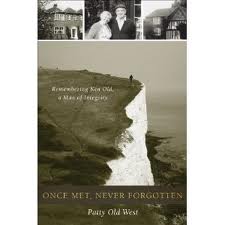
Ken led such an interesting life that I felt his story needed to be told so I did write his biography. I spent three years researching his life before submitting the book to the publisher. They felt it was too long so it was divided into two books.

Good and Faithful ServantOnce Met Never Forgotten

ME:  How has your Christian faith affected your writing?

PATTY:  The Little People only tell the truth so all of those stories have the underlying characteristics of Christian faith without being “in your face” about it. My deep faith means I would never write a book filled with profanity or actions contrary to Christian principles.

ME:  Okay, please tell us who the “Little People” are and how the 12-part series got started. Also, which age group are they aimed at?

PATTY:  These are stories Ken told to missionary children in Pakistan. They were isolated from parents at boarding school for months at a time. He ‘invented’ the Little People—half-a-thumb high—and a wicked wizard who tries to capture them, to encourage the children to let their imaginations soar to new heights.

When he retired, he began putting the stories in writing. He had only written a few chapters when I married him. As he finished a chapter, I would do simple editing, print it out, and we would read them together. With his prolific imagination, the continuing story became twelve books.

(Note: They haven’t all been published yet. See her website for details.)

The stories are geared primarily for 8- to 15-year-olds, but younger children enjoy having them read to them. And the adults who have read them cannot wait until the next book comes out. (That pretty much seems to cover all age groups. Smart marketing. :D)

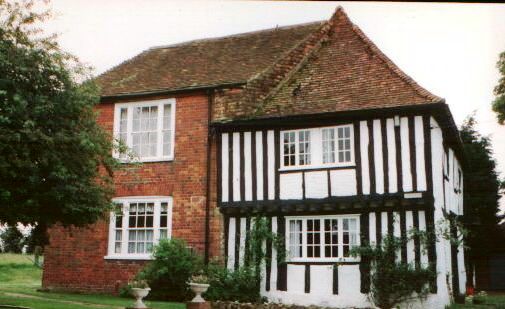
ME:  In the series, since you’re mixing reality and fantasy, do you ever have to do research in terms of travel? And whether you do or not, what was one of your most memorable places you visited, either alone or with Ken? (Also, I’d love a picture of the site and/or a picture of your home in England.)

PATTY:  The Little People stories are based in England so there was no research regarding travel, but Ken inserted a lot of history into his stories and I have done much research verifying the details of different events in history. Ken and I never travelled together outside of England or the US, but we often visited Cornwall where he spent the early days of his life. It was his favorite place to visit.

Repty Gibbins Brook Farmhouse(Their farmhouse in England)

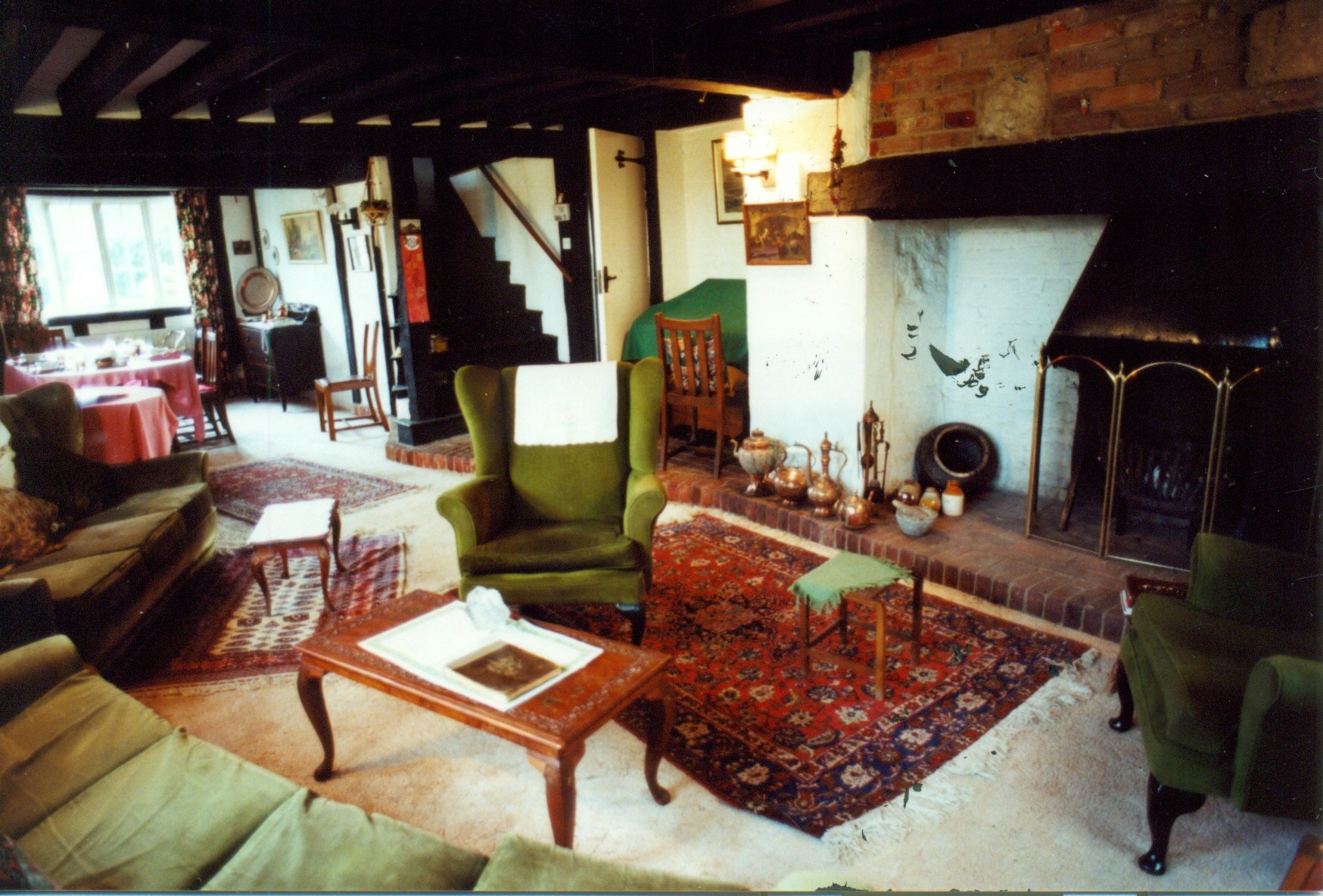
Reply Farmhouse Living Room(Their farmhouse living room…Isn’t it cozy?)

(*Hint: If you click the picture for a larger view, you’ll be able to see lots of clues to Ken’s far-ranging travels.)

ME:  You’ve been to some pretty exotic locales, yourself. What were some of the most fascinating and which are you most likely to write about in the future? (A picture of you in the setting would be lovely.)

PATTY:  I don’t know that I will be writing about any of the places I have visited except to mention them in my biography. I have been on every continent save one and I am going to Antarctica in February with my son. (Now that’s a biography I’d definitely be interested in reading!)

One of the countries I would enjoy visiting again is New Zealand. It is like a miniature America in its landscape. I went to Peru to view Halley’s comet and enjoyed seeing Machu Picchu. And it was interesting standing on the equator and going on safari in Kenya where I patted the nose of a rhinoceros. I taught English in China for two summers and climbed the Great Wall of China. The time there was eye-opening in more ways than one. The home I stayed in when I went to Estonia took me back to my childhood. It was like stepping back into the thirties. Compared to America, it was almost primitive.

(Patty explained that all her pictures from her trips abroad were of scenery or of the people she went with…so we shall just have to imagine Patty standing here:)

great wall of chinaME:  Please describe your process of taking Ken’s story notes, written in King James English, and turning them into finished books.

PATTY:  First I go through and change all the British spellings to American. (Hmm…my latest work involves British spellings…I might have to consult you for your expertise.) Then I do the formatting—setting margins, removing tabs, formatting titles. Then I do an initial reading and edit the sentences—breaking them up into shorter sentences. As I notice paragraphs out of sequence, I move them where they belong. I also change present progressive tense to present tense at the suggestion of the first editor I had.

(Quick grammar lesson: He walks – present tense; He is walking – present progressive)

Then I read through again, correcting errors as I find them, and change text into dialogue or thought. I also make the dialogue for Jock, the little Scottish leader of the Little People, into a Scottish brogue. The read-through before I have my daughter ‘proof’’ it for me is to check for accuracy of details, insert text to clarify the action, and improve readability.

(Sounds like quite a process!)

ME:  I know you’ve written and published two biographies of Ken. Once you’ve finished the Little People series, what do you think you’ll write next—fiction or nonfiction, and why?

PATTY:  My next project is to write my own biography so my family will have a history of my life.

(Yes!)

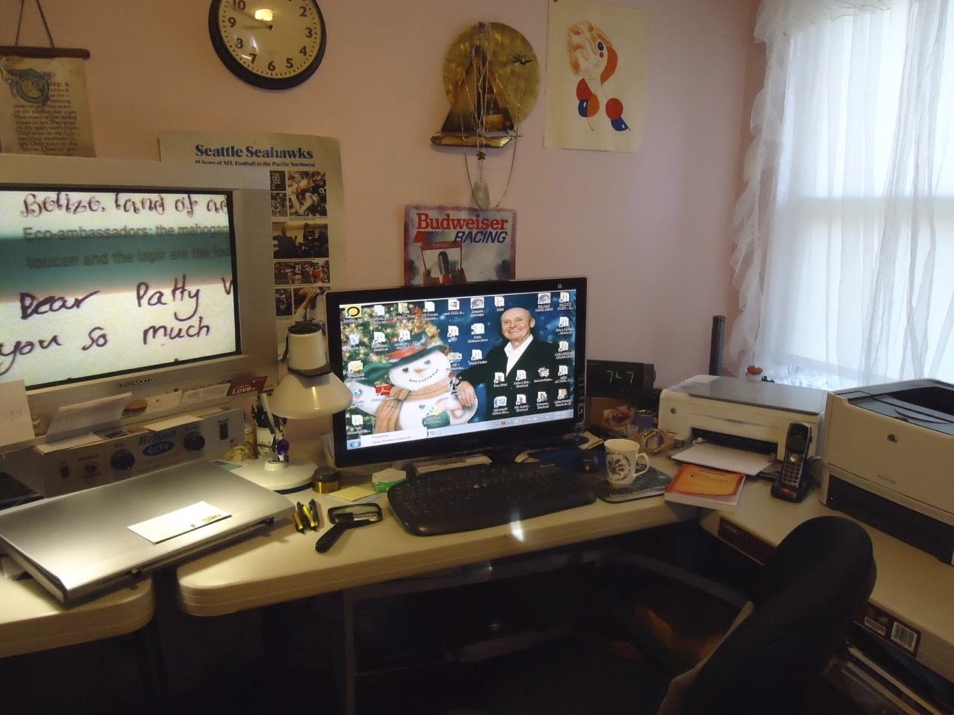
ME:  Finally, please describe your office, or the area you use to write, in the voice of the Wicked Wizard. Feel free to use King James English or not. (And I must have a picture of your writing space.)

PATTY:

Miss Patty isn’t as smart as she thinks she is. With my brilliant mind, I would not need two printers to get my work done. And why does she need two oversize screens? Does she think she has limited vision or something? I could do just fine with the laptop screen. And the keyboard? Ridiculous! Can’t she see the buttons on her computer? Of course she has it stuck back against the wall and couldn’t reach the keys anyway. I do rather like the big TV screen that enlarges pictures and printed material. Just look at her with her nose up against the screen peering through a magnifying glass. Doesn’t she ever take a break? Her poor husband sits out in the living room hour after hour waiting for her to join him. What a patient creature he is. I wouldn’t stand for it.

(Wonderful! And here’s the visual proof:)

Patty's OfficeYou can read a lot more about Patty and Ken and their books on her website. And check out the first volume of the Little People series, THE WIZARD OF WOZZLE, on Amazon, Barnes & Noble, or Kindle.

As far as next week goes, please check in again on Wednesday for my interview with MOTHER OF RAIN author, Karen Spears Zacharias, whose work has been featured in The New York Times and The Huffington Post, as well as on CNN and NPR.

AuthorPhoto.2011-2-427x640-427x429-298x300

Originally posted 2013-09-11 12:28:18.