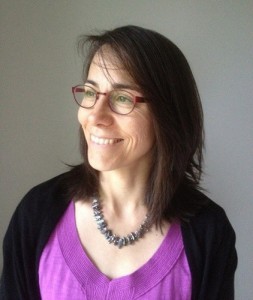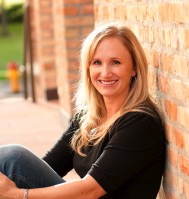
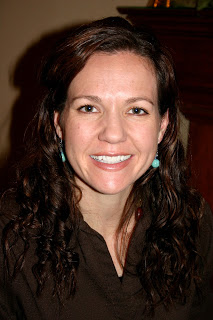
Karen Hoover is a fighter. Life keeps throwing things at her, whether it’s health issues or loss or family issues, and she doesn’t blink.
(Except perhaps when she went in for an emergency appendectomy back in May . . . she woke up three days later to discover the doctors had rearranged her insides to help her beat off cancer yet again. Even that wasn’t a real blink, however, because she was unconscious the whole time.)
Anyway, when a problem arises, she just deals with it, and no matter what, continues to write and create. Let’s find out what gave her that kind of character and determination.
 ME: I’ll begin with a series of questions. First, what was the first book ever read to you and by whom?
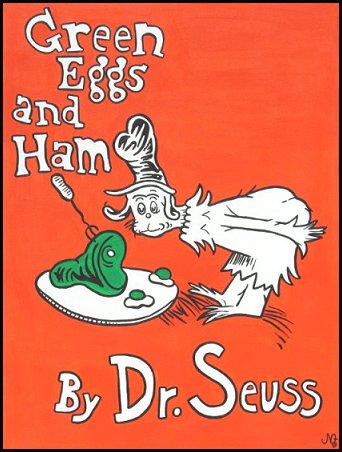
KAREN: I’m not sure which book came first–“Are You My Mother” by P.D. Eastman or “Green Eggs and Ham” by Dr. Seuss (Yes! Finally I get a Dr. Seuss aficionado.), but they were both a very memorable part of my childhood.
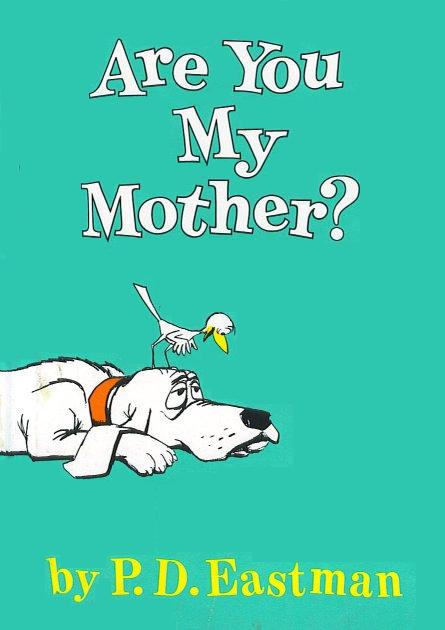 My father read to me every night after work and though he thought Green Eggs and Ham was disgusting, he read it to me anyway. I had no idea how much he disliked the book until I was told as an adult. (Now that’s parental love and sacrifice.)
 ME: Second, what was the first book you remember reading by yourself?
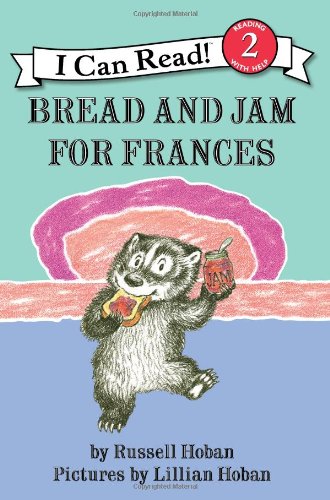
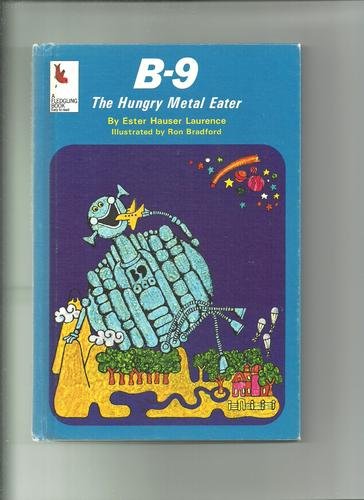
KAREN: I got two books about the same time and, again, I’m not sure which came first, though I literally read them to pieces. They were Bread and Jam for Frances by Russell Hoban (Ah, yes, a classic!) and B-9 The Hungry Metal Eater by Ester Hauser Lawrence. (Intriguing pick.)
 (A picture of her worn copy)
ME: And third, what was the latest book you’ve read, so we can get an idea of how your tastes may or may not have changed? :D
KAREN: Currently, I am reading the serial, The Debt Collector by Susan Kaye Quinn. I’m on episode 6 and loving it. Fascinating premise.
(Hmm . . . B 9, Episode 6 . . . are you catching the common thread here?)
ME: And what has your progression as a reader taught you about yourself?
KAREN: I am inquisitive. I love a good mystery that makes my mind work to solve it. I love the twists of the imagination that can take me anywhere, yet keep me grounded with enough truth to make the story believable. I’d rather read than watch TV. I don’t like to be bored and I don’t like boring details. And last of all, everything, whether in life or in books, has to have a point. Also, I don’t believe in absolutes. There is always a choice.
ME: Most of us learn to read in the laps of our mothers, but in your case, it was your father who encouraged you to read. Tell me about your relationship with him.
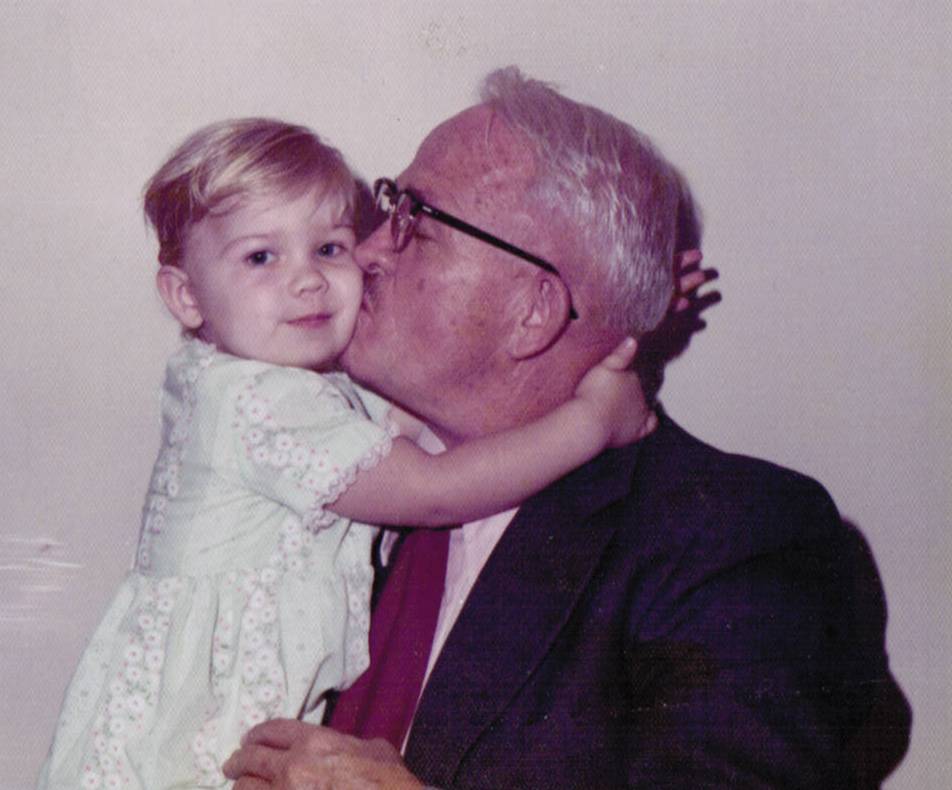 (Karen with her doting father)
KAREN: My father was 18 years older than my mother, and when they decided to wed he told her, “Sweetheart, between the two of us we have fifty years of bad marriages. We’ve done all the don’ts. Let’s just do all the do’s.” (What a wise man.)
That is the kind of life he lived. He spent every evening reading to me once he came home from work. When my mother told him to rest and put his feet up because he’d been working all day, he told her she’d been working all day too, and when she sat down to rest, so would he. (Wow! A man ahead of his time.)
Between his two marriages, I was the only girl, so I will admit to being a bit spoiled by him. I remember the rumble of his chest as I sat on his lap and leaned against him as he read. His voice resonated through my entire body. It was incredibly soothing.
(This is the real reason I do these kinds of interviews . . . for bits like this. Can’t you just picture it?)
ME: How do you think the loss of your father from a sudden heart attack when you were only four affected you later as a writer?
KAREN: It has definitely made me more empathetic and thoughtful as a person, and I think that leaks into my writing. It is easier to put yourself in someone else’s shoes when you’ve had to deal with that kind of continual pain.
No father meant no Daddy/Daughter dates. It meant I had to pick a stand-in father for things like my baptism and confirmation. It has meant learning how to parent with a husband when I never had that example. It has forced me to look outside the box for answers to things, whether it be simplifying a method of moving (a zip line/pulley system for moving from a third floor apartment), or being flexible with raising children when my way is different than my husband’s.
For writing, being able to step into someone else’s shoes has made me a good character writer, because I can empathize and understand my characters as if they were real people.
ME: I had no idea you spent the rest of your childhood in Kennewick, Washington–a stone’s throw away from where I now live. Tell me what Kennewick, now kind of the retail center of the TriCities, was like back in the 70s.
KAREN: I loved living in the TriCities!
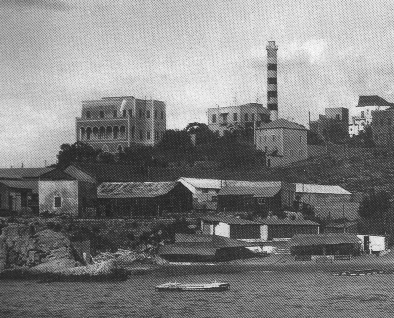
My grandparents moved there in the 1940s, and my grandfather alternated between farming his 100 acres and working security for Hanford when they were building one of the atomic bombs that were dropped on Japan. He had no idea what he guarded until after the fact.
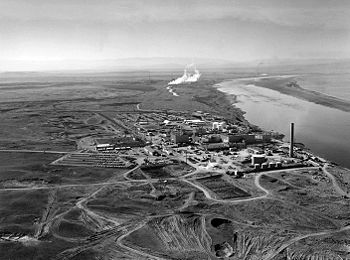 (Hanford Nuclear Site in 1960)
He turned to full time farming after that and raised sheep and alfalfa. There were no fancy sprinklers back then. He had to go out and change pipes twice a day. My brother and I tried to help, but at 4-8 years old, neither of us was really much help.
Kennewick was mostly agricultural, and my family, being poor, would go out and glean the crops after the pickers had been through. We got apples, peaches, asparagus, and more, and it didn’t cost us a thing. It was a blessing at a time when it was much needed–and fun, too. My brother, Sean, and I always managed to find something fun to do when we were supposed to be working. Collecting tadpoles in the canal near the asparagus was always a favorite.
ME: You say that you and your brother spent hours playing make-believe or “space,” as you called it. Were you influenced by Star Wars back then, and how has that affected your writing now?
KAREN: We were definitely influenced by Star Wars, as well as Battlestar Galactica, and The Black Hole. We didn’t get to go to the movies often, but when we did we absorbed it. Most of that came once we got to Oklahoma, but it began in those early years in Kennewick.
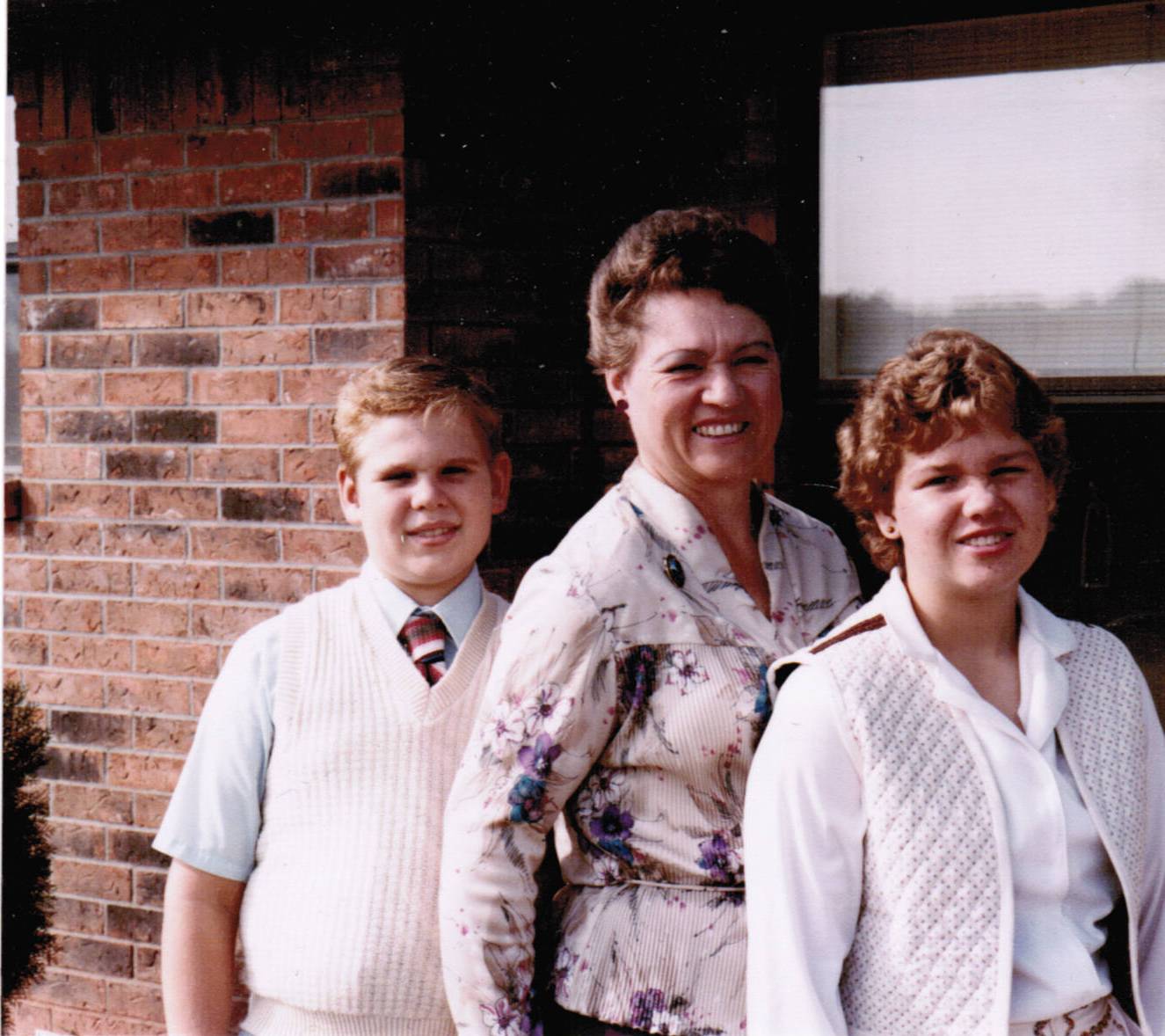 (Karen with Sean and her mother in Oklahoma)
ME: Please share the struggles you had with reading in First Grade and how your mother helped you overcome them.
KAREN: You would think that after all the hours my daddy spent reading with me I’d have been dying to finish learning and do it myself, but after losing him, I lost all interest in the written word. It hurt too much to read. It reminded me of him, and when you’re so young (4-6), it is hard to understand why it hurts.
When I started first grade I pretty much refused to do anything to further my english education, and so my teacher put me in the lowest reading group, where I stayed for several months. One day, after seeing my report card, my mom sat down with me and talked about reading and how disappointed my father would have been to see that report card. Talk about a knife to the heart! As I cried, she reminded me how much he loved books, and that if I could learn to love books too, it would be a way of remembering and honoring him, and that even though he was gone, through the books he would be with me.
Right then I changed my attitude and spent the weekend working on my reading. I believe that was the weekend she bought Bread and Jam for Frances and B-9 the Hungry Metal Eater. I read and I read and I read. I read out loud. I read to my brother. I read silently when Sean got bored, and within a month I had gone from the lowest reading group to the highest. The teacher had never seen anyone improve so fast.
(And I’ll bet your dad was bursting with pride too.)
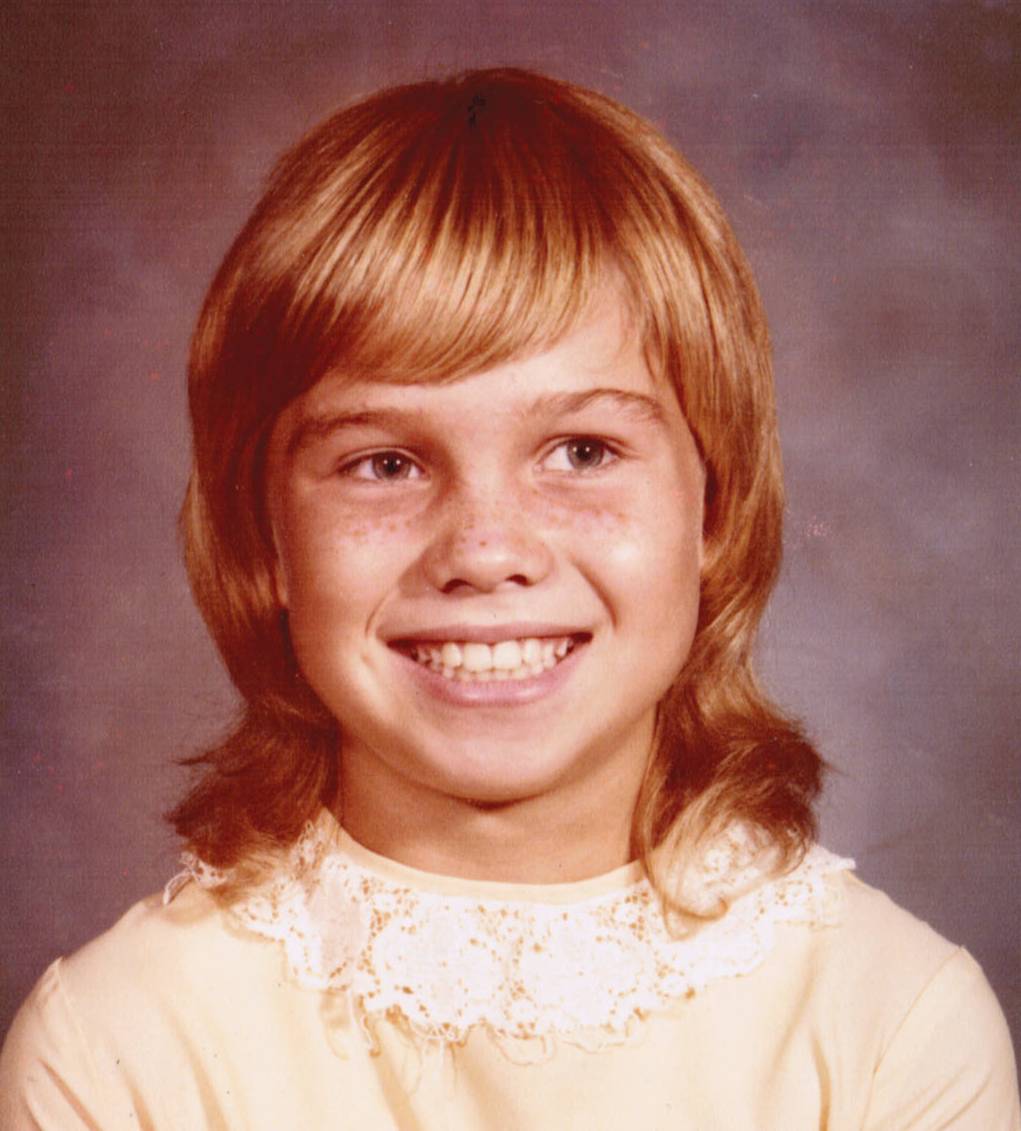 (Karen in Second Grade . . . See how happy she was once she started reading again.)
ME: How did the move to Oklahoma when you were eight impact your preparation to write the kinds of stories you create today?
KAREN: Moving to Oklahoma was awesome! We spent a year in a trailer while our house was built, but once it was finished, we moved onto another farm. Forty-five acres this time, but my grandparents joined us and built their own home, and both of my older sisters lived on the acreage at one point or another as well. Even one of my older brothers lived with us.
It was heaven for a kid like me. I think that was where my imagination really took off. We lived several miles from any friends so Sean and I had no choice but to play with one another. We built rafts and forts, we learned how to use a jigsaw and made crossbows and swords and shields. Anything to make our imaginary life seem more real. I hated leaving there. To this day, Oklahoma is still the home of my heart.
ME: Was it a difficult adjustment to then relocate to Utah at age 14?
KAREN: I thought I would love moving to Utah, but it was a real challenge. I came from the country, carrying an accent and odd words, and nobody understood who I was. Even the kids who belonged to my church mocked me. I remember coming home from school one day in tears and asking my mom, “Why don’t they like me? If we belong to the same church, shouldn’t they accept me here?”
(Exactly. Of course, this kind of thing can happen other places, too. It’s a shame wherever it happens.)
In Oklahoma I had friends from all religions—Catholic, Baptist, Born again, Jehovah’s Witness, and more. None of them cared what church I went to, and it didn’t matter to me either, and yet in Utah, where I was supposed to be accepted, I was scorned. The lesson that taught me was to keep to myself. Put a smile on my face and put on my armor because I wasn’t going to let them beat me down. It was a hard lesson to learn, but I’ve done my best.
ME: Tell us about the first book you ever wrote, and then please share the details of how you came to create and publish your first book, THE SAPPHIRE FLUTE.
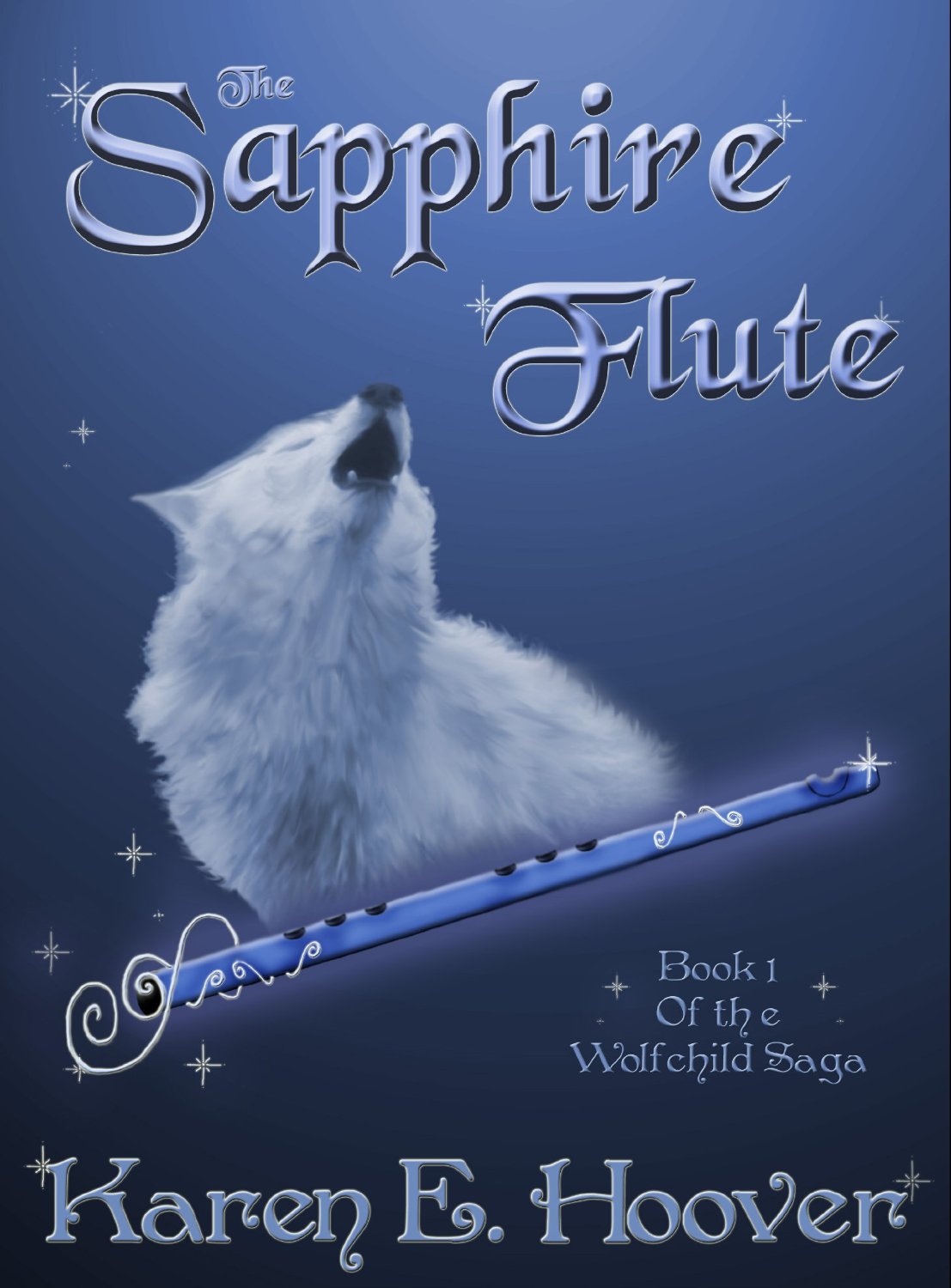 KAREN: Actually, my first book was THE SAPPHIRE FLUTE! I got the spark of an idea when I was 22 and played with it for almost twelve years before I discovered writing conferences. I rewrote the book from start to finish at least ten times.
One of the conferences I attend regularly, The LDStorymakers Writing Conference, has a first chapter contest. The first year they began the contest I entered THE SAPPHIRE FLUTE and two other stories. THE SAPPHIRE FLUTE took first place in the fantasy category and another of my stories took second.
I continued to place for the next two years—first place in 2008 and grand prize overall in 2009. (Impressive!) During the conference I spoke with a writer who was beginning her own publishing company and she said that if my book wasn’t snagged by someone else, she wanted to publish it. I decided to go with her company and Book 1 of The Wolfchild Saga, THE SAPPHIRE FLUTE, was released to the world in March 2010.
ME: What else have you written since then, and what are you currently working on?
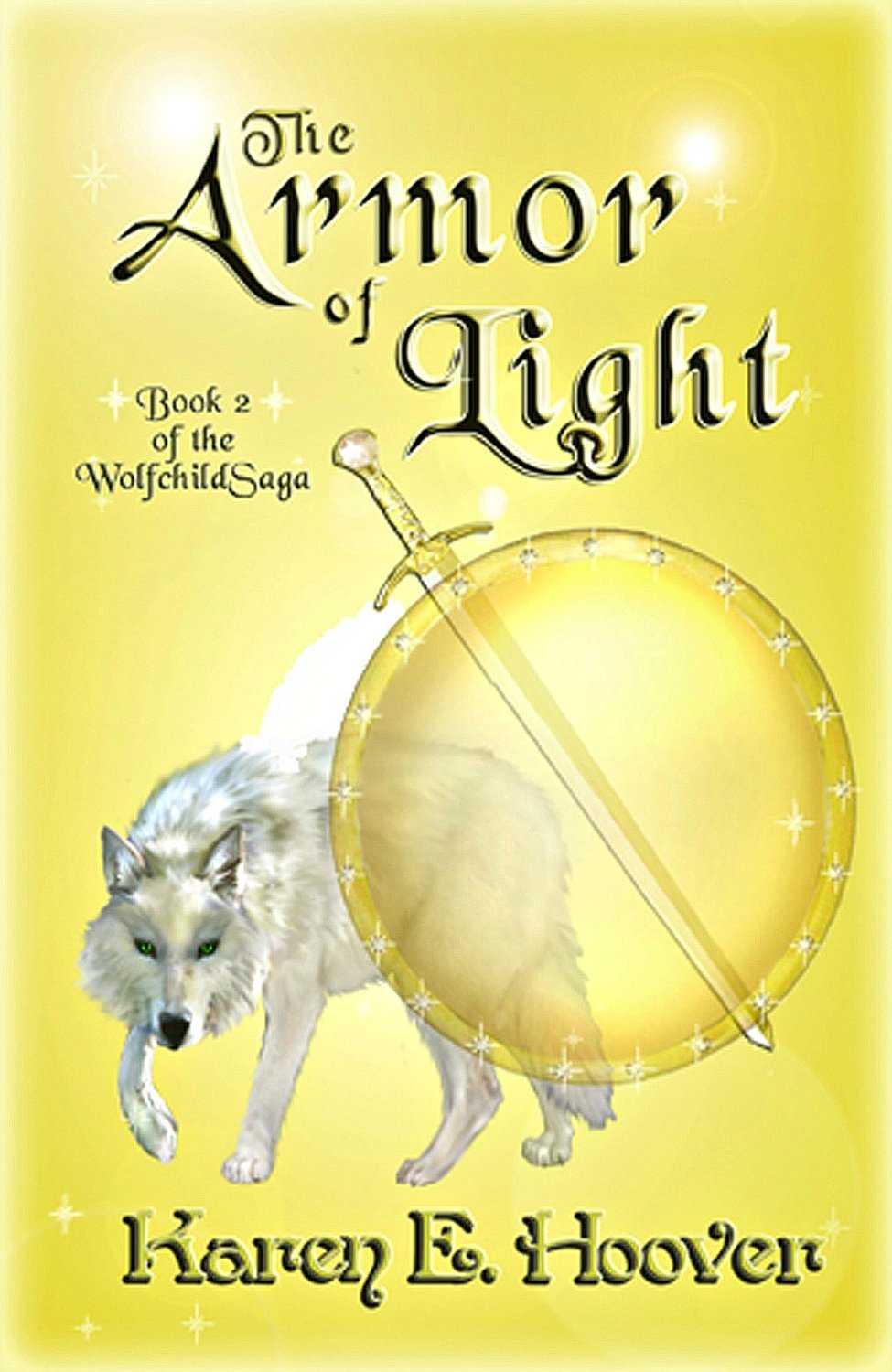 KAREN: I released book 2 of The Wolfchild Saga: The Armor of Light, and the first book in a new series, The Misadventures of a Teenage Wizard: Two Souls are Better Than One, as well as a short book of poems titled And the Mountain Burns. I am nearly finished with book 3 of The Wolfchild Saga: The Emerald Wolf, with plans to release it in late summer or early fall of 2013.
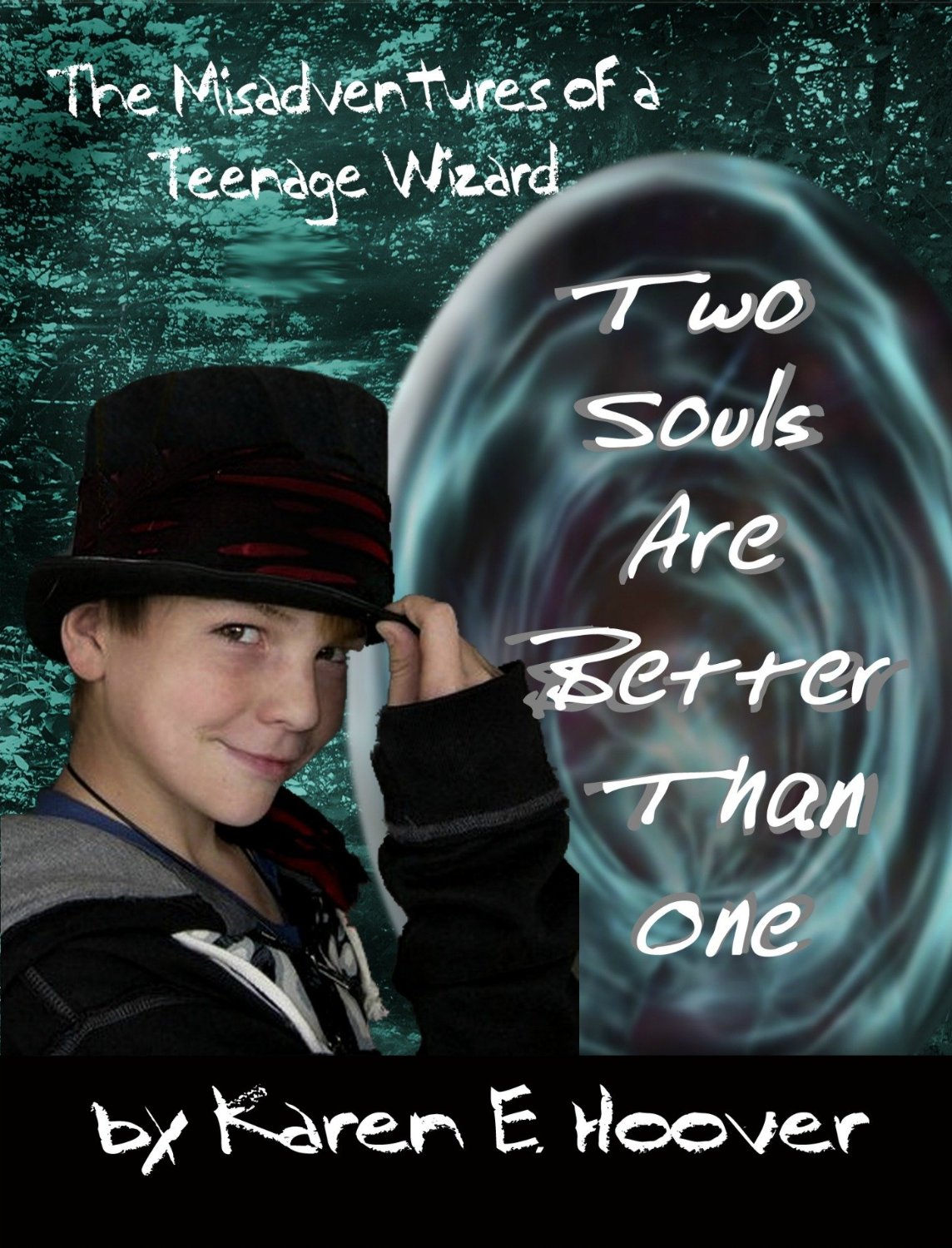


After that I’ve got three projects in the works: Book 4 of The Wolfchild Saga: The Amethyst Eye, Book 2 of The Misadventures of a Teenage Wizard: Attack of the Zombie Roadkill, and a Serial titled The Garoux and Faye Detective Agency. As to which one will come first, I have no idea. (Sounds like you’re set for a couple of years at least.)
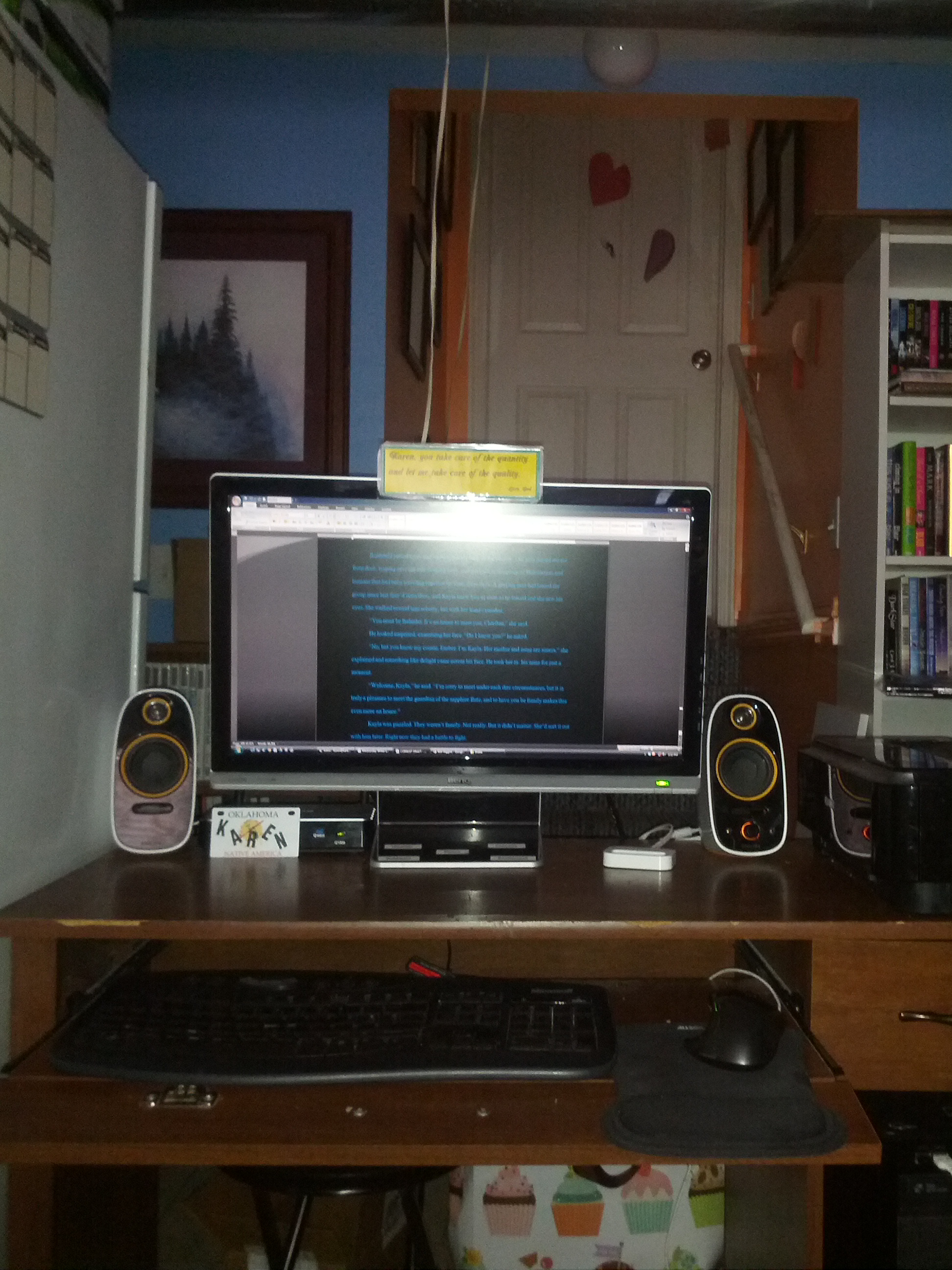
ME: Finally, what is your writing process like, and please describe your writing space in the voice of your Teenage Wizard, Jeremy James Johansen. (I must have a picture of your office area, too.)
KAREN: My writing process is sporadic at best. I am trying to become more consistent in writing every day, but most of the time I will go months and months with no writing, then write a whole book in two weeks. I do a lot of pre-writing though, so that might account for it.
I find pictures of all my characters, do character sheets so I know their characteristics and quirks, learn their history, their goals, motivations, and conflicts and more. It’s a rather extensive process, but it makes it so that I can write those books in a very short period of time.
As for JJ describing my office, well, here you go!
*tap, tap, tap* Is this thing on? Whoa! That’s loud! Can we turn it down a bit? Yo, thanks, dude! *clearing throat* I don’t know why my maker wants me to describe her office. I mean, it’s not like she can’t do it herself or anything. Lazy, I guess, but hey, who am I to talk? So, the office. Yeah. She moves around a lot. You’d think she had ADD or something. She just can’t seem to settle. Right now her office is in the basement right at the bottom of the stairs. It’s dark. She hardly ever turns on any lights. My mom says that will totally ruin your eyes, but the woman does it anyway. She’s got a couple of bookcases with shelves falling down, a fridge throwing up hot air to her left, and a fan trying to counteract the heat on the right. It’s kind of messy, though not as bad as my room, and she keeps a couple of rat dogs in the bathroom. I mean, who keeps their dogs in the bathroom? That’s just weird. Her other rooms were more colorful, but this one works better, so I can’t say much. Sure hope she gets to work on my next story soon though. I really want to see what zombie roadkill has to do with a portal to another world. I mean, I’ve got enough trouble, right? Sigh Oh well. I guess that’s it.
(That was great! Here’s a look at her office.)
 For more about Karen, her writing, book trailers, and all her projects, check out her website.
And next week, I’ll be talking with clean romantic suspense author, Cami Checketts.
Originally posted 2013-07-24 13:28:18.