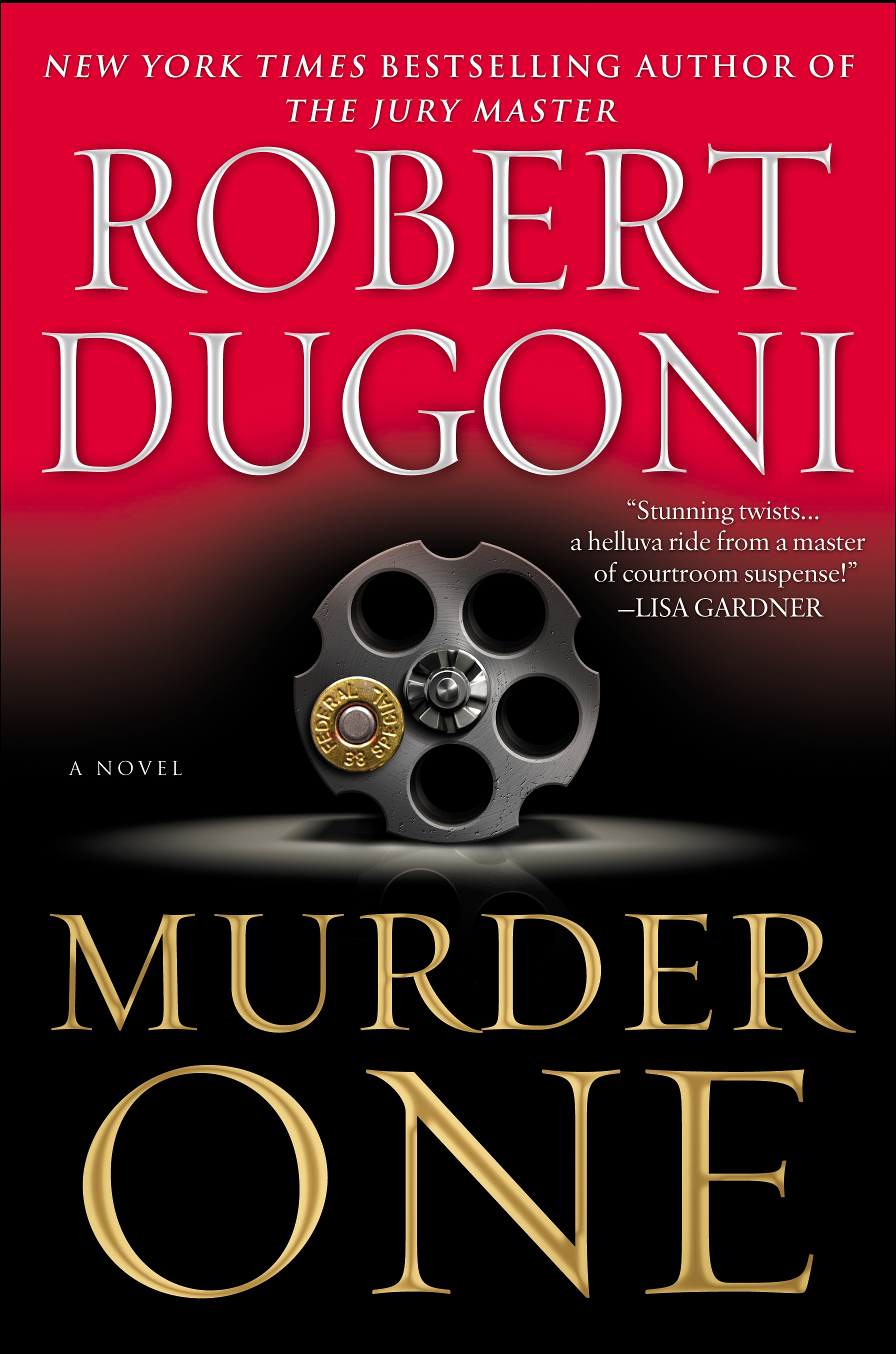
“Wednesday Writer” – J. Lloyd Morgan
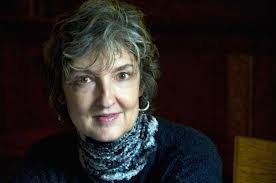
First of all, the J. stands for Jason (one of my favorite names… :D). Apparently another writer by that name started publishing first, so today’s featured author had to scramble for an original pen name. While he writes novels and is best known for his series that began with THE HIDDEN SUN, Jason has also written memoir and short stories. In fact, his story “The Doughnut” was one of the top five winners in the Parables for Today contest. But more about his short stories later.

Me:  First of all, how did you and your family weather Super Storm Sandy there in North Carolina? Anything in particular that you did to prepare? And did it live up to its billing?

Jason:  I posted this on Facebook on Monday, October 29th: “The storm to end all storms has moved beyond North Carolina–but not before I was frightened to death by the media outlets. Upon further reflection, I may have resorted to cannibalism too soon.”

To be fair, we were on the far edge of the storm–very little rain and some mild gusts of wind. We’ve had much worse storms that never got the national attention this storm received.

(Well, we’re glad you don’t live in New York or New Jersey…and Jason and I are both very sorry for those who got the worst of Sandy.)

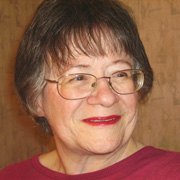
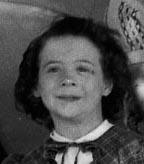
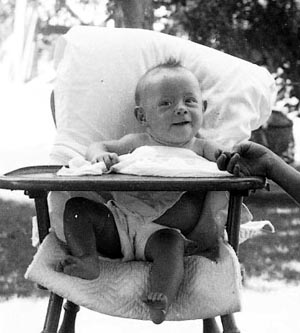
Me:  You’ve said you’re dyslexic. How old were you when you were diagnosed and how did it impact your experience with reading as a youth? (Also, I’d love a picture of you at the age you were diagnosed.)

Jason:  Back in the day, dyslexia wasn’t really understood as it is now. There are different aspects of it–the common thread is how the brain processes information. In kindergarten, I failed “knows the difference between left and right.” Later, I did poorly in spelling. When I read and write, I add or leave out extra words that my mind sees as being (or not being) there. When I was in high school, we learned about dyslexia and it was like a revelation. After taking some tests, it was verified that I have a form of it.

Growing up, I felt stupid because other kids were able to spell words without really trying. I just couldn’t get it. It takes lots of practice and, frankly, spell check has allowed me to become a writer. (Let’s hear it for spell check!) Alas, I don’t have a picture of me at that age. (Oh, well. Disappointment happens.)

Me:  I see you were a BYU Communications major like me. Given the fact that you ended up on the broadcasting side before taking on novel writing, I’d like to hear how your experience in television has helped prepare you for your career as an author.

Jason:  While directing in the NYC area, I was able to meet a boatload of diverse people: politicians, entertainers, reporters and anchors, engineers, technicians–and many more. I’ve drawn on those experiences for characters in my books. (Hmm…I wonder which character was inspired by Dan Rather?)

Directing live TV taught me the importance of pacing. It’s another skill that has transferred from TV to writing. In addition, we had a saying: “5 o’clock comes at the same time every day.” Either you’re ready for the broadcast or not. It taught me to set deadlines and stick to them.

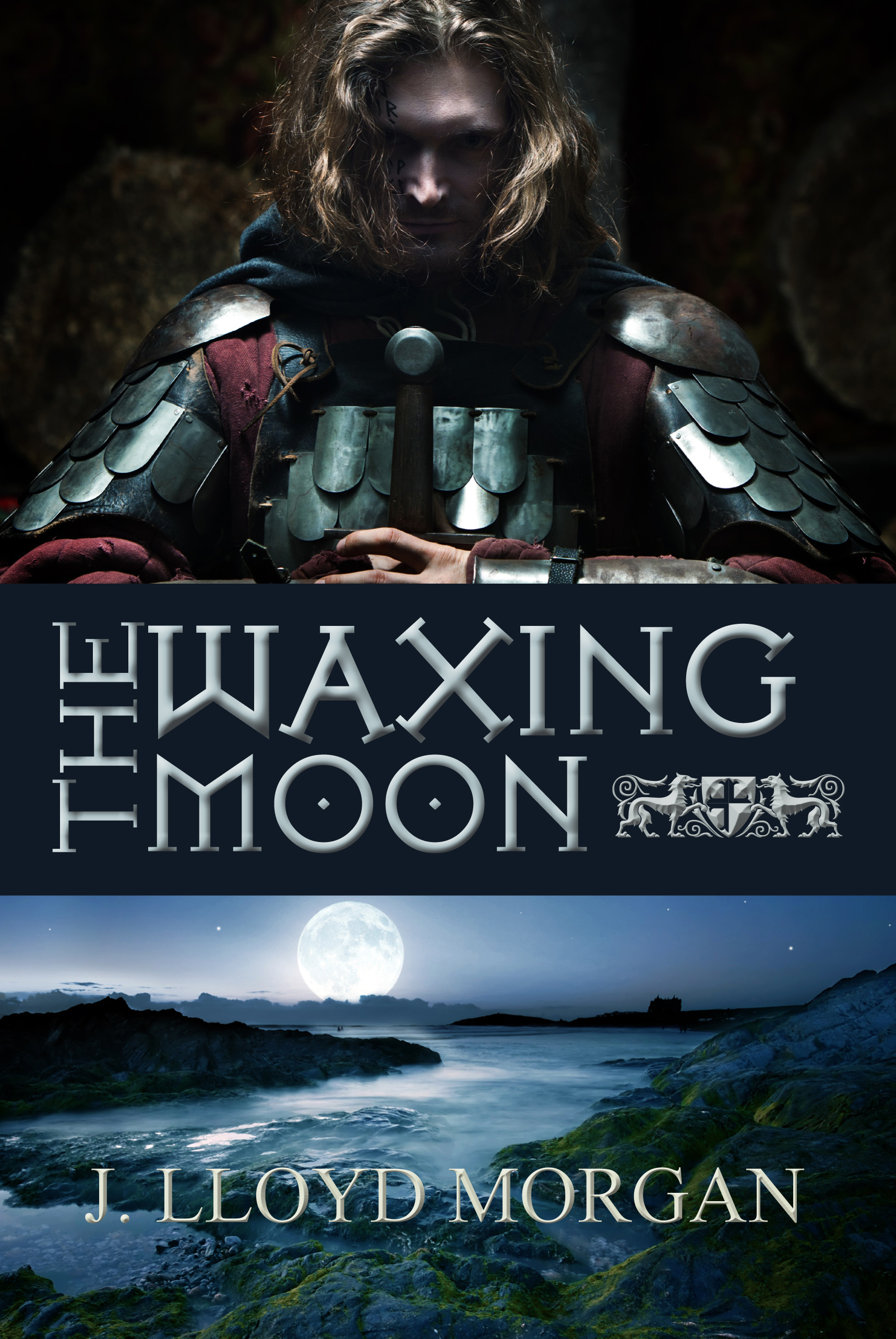
Me:  The first two books in your series, The Bariwon Chronicles, are already out–THE HIDDEN SUN and THE WAXING MOON–with the next story, THE ZEALOUS STAR, due in 2013. What is the premise of the series, the thing that ties all the books together?

Jason:  I wanted to create character driven stories where they couldn’t solve their problems using magic or modern technology. The books share a common, fictional setting during a fictional time, and are written to be stand-alone books tied together with overall plot points and moral themes.

They are told from multiple points of view, though with only one point of view at a time. Readers tell me they enjoy the twists and turns–and some have written me fairly strong letters about how upset they got with the main villain or the bad things that happen to the characters. (A true sign of success.) All was forgiven in the end, however.

Me:  Why fantasy? Who are some of your favorite fantasy authors and why?

Jason:  I smile when I’m asked this question. I, personally, don’t believe my books (aside from THE MIRROR OF THE SOUL) are fantasy. (Oops. My mistake.) Magic isn’t used and there are no non-human creatures in the books. They aren’t historical fiction, either, because they take place in a fictional land during a fictional time. The Bariwon Chronicles are really medieval fiction–how’s that for a sub-genre for you?

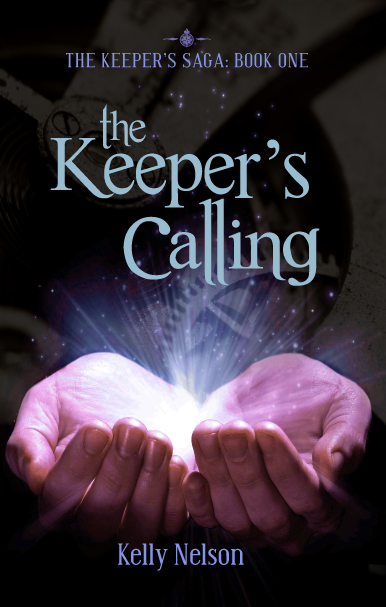
Authors that I read in the past that influenced me are Orson Scott Card, Grey Keyes and Gerald N. Lund. For current fantasy writers, I’ve really enjoyed the works of Kelly Nelson, Berin Stephens and Michael Young. (Hmm…more writers to tap for future interviews. :D)

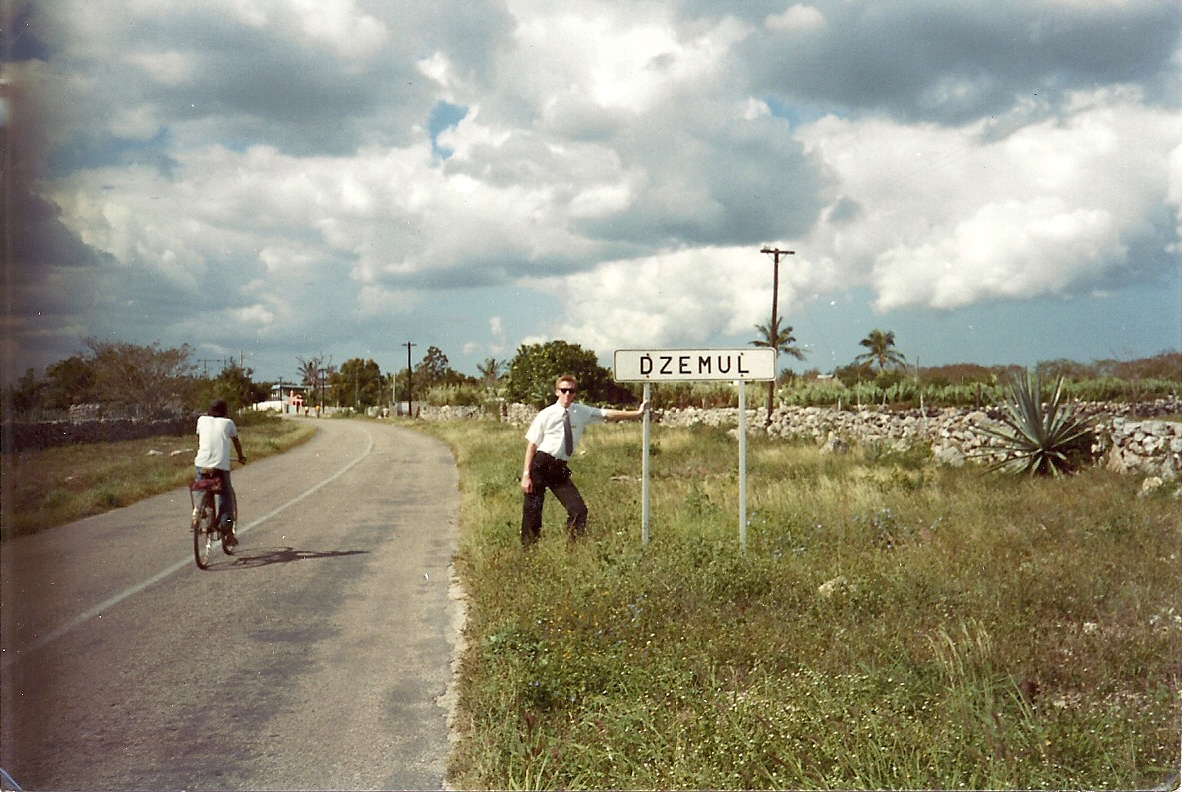
Me:  You’re also working on a realistic novel based on an experience you had while on your LDS mission in Mexico. (And I’d love a picture of you taken while on your mission.) How is that coming along and what is the basic theme? Any other realistic novels in the works?

Jason:  WALL OF FAITH is completed and is in the rejection, er, submission phase. Here is the challenge: LDS publishers don’t want to touch it because it openly discusses real issues missionaries have on their missions. It doesn’t sugarcoat it. At the same time, it has a positive message and it’s not controversial enough for non-LDS publishers. I had one of my LDS beta readers tell me, “Thank goodness I didn’t read this before I sent my son on his mission. I just want to get a letter each week with him telling me everything is perfect and he’s having the best two years of his life.” For that reason alone, it needs to be published. (I agree, even though I currently have a daughter on a mission.)

Elder Morgan holding up a sign in Mexico

My current work-in-progress is realistic fiction. (More about that in a second.)

Me:  Tell us about your writing process and your current work in progress. (See?)

Jason:  Every story I write always starts with a “what if?” question. I get a general idea for the characters, setting and their final destination and then, I make it up as I go. I believe in the power of inspiration and discovery while I’m writing. Most of the best scenes I’ve written were spontaneous.

I plow through the first draft until the end. Then I let it sit while I work on another project. When I return to it, I rewrite it, often making drastic changes. The end result is usually quite different from the first draft.

My current work in progress is about a young man who moves from North Carolina to Utah right before his senior year in high school. He attends the same school where his mom and dad met–which brings with it certain pressures and baggage. I’ve set it in the late 1980’s (for a very specific plot reason) and so I’m having fun going retro with a lot of the elements in the book.

(I should have asked for a photo of Jason from the 80’s.)

Me:  Let’s say you’ve got a week with no access to pen, paper, or computer device. What would you spend your time doing and why?

Jason:  Well, I can interpret that question a few ways. I’m going to go with the idea that I’m not able to write for that week. I’d spend as much time as possible reading. I’ve found by reading different authors and genres, I improve as a writer. (Darn it. I should have cut off access to books and e-reader devices, as well. I’m just curious about what different writers do when they can’t read or writer.)

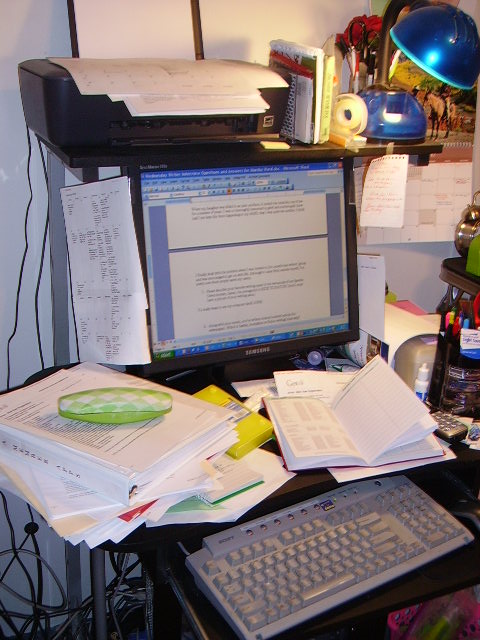
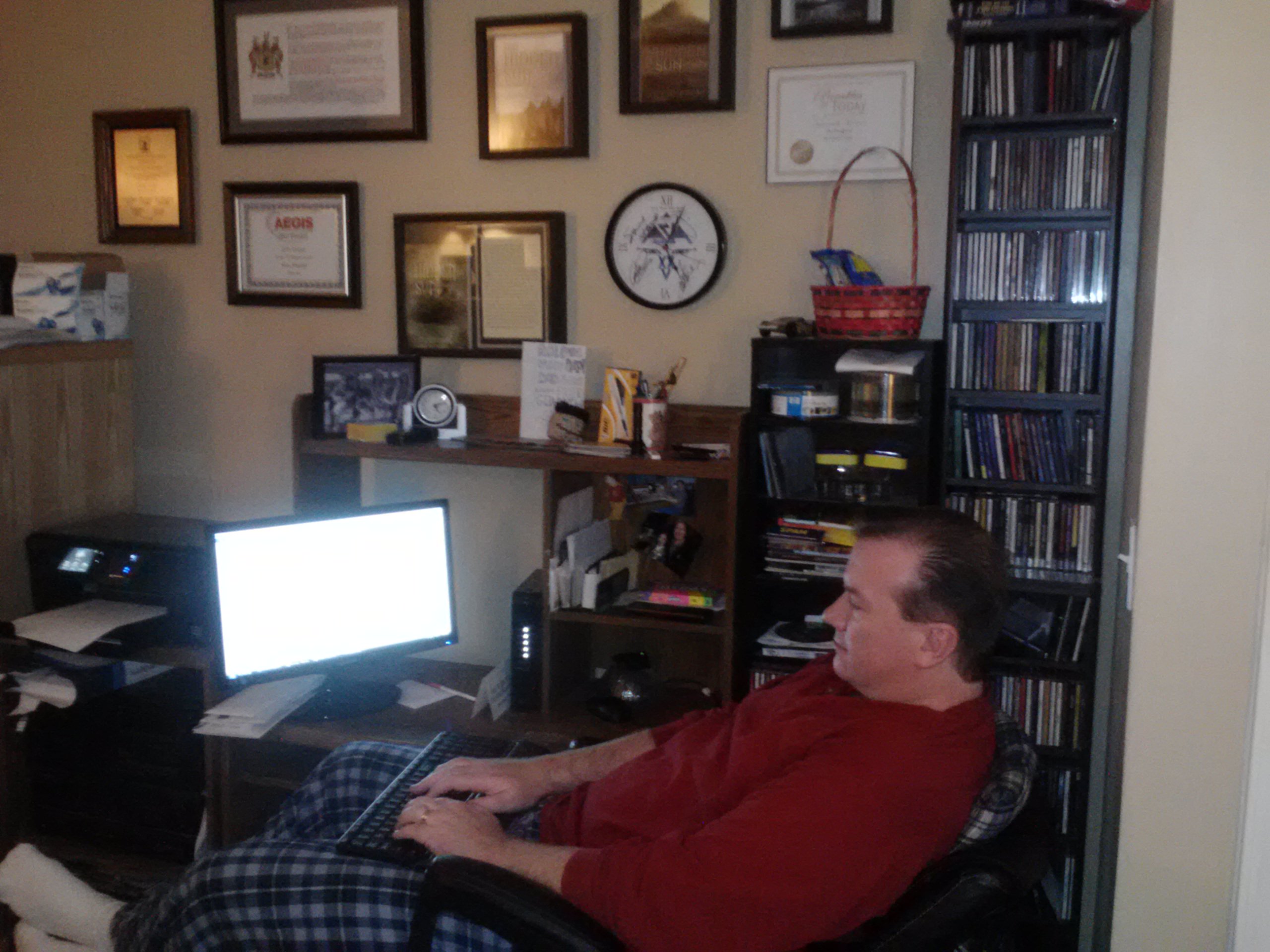
Me:  Please describe your writing space, particularly anything unique about it, and provide a picture.

Jason:  My wife and I share an office in our office. (That would never work for me. My husband loves company…and not in a quiet way.) I write using a wireless keyboard on my lap–don’t know why. On the wall above my computer monitor are copies of my books and awards I’ve won. They act as a reminder that I can do it, even if I’m struggling at the moment.

See all the awards? He CAN do it!

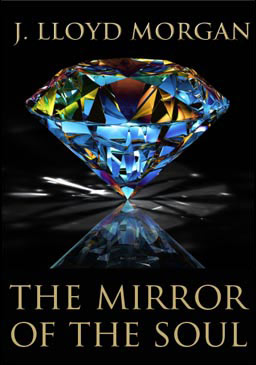
Me:  Finally, I’m curious about the book you’ve written based on the songs of Chris de Burgh–THE MIRROR OF THE SOUL–due out early next year. How did this project come about and what is the premise of the story?

Jason:  Chris de Burgh, known in the USA for “The Lady in Red” and “Don’t Pay the Ferryman,” has always been one of my favorite musicians. When the music scene changed in the 1990s his popularity in the States faded, but he still does very well all around the world.

Chris de Burgh with his guitar

In 2006, he released a LP called “The Storyman.” On it is a song called “The Mirror of the Soul.” It’s a nine minute epic, telling of a large diamond that lands in France just after the Hundred Years War. The person who finds it discovers it glows when he touches it. He brings it to a local, corrupt Abbot, who takes the diamond because he believes with it he can gain power and money.

It’s really a metaphor about how people in our day use whatever they can to get gain and the results of doing so.

When I heard this song, I thought, Wow, this would make a great book. I got bold and contacted Chris de Burgh’s management. It took some (okay, a lot of) persistence, but I got a response. They liked the idea and asked for an outline to share with Chris.

In order to flush out the song to a full novel, I incorporated many of Chris’s other songs into the book, weaving their tales with the main story. Chris loved it and gave his permission and blessing. (Lucky!!!) I’m very excited for its release.

Thank you for the interview! I enjoyed it!

Likewise. And I’m also excited to read THE MIRROR OF THE SOUL…along with your upcoming anthology of short stories, THE NIGHT THE PORT-A-POTTY BURNED DOWN (due out in December).

For more information about Jason, his family, and his projects, check out his website.

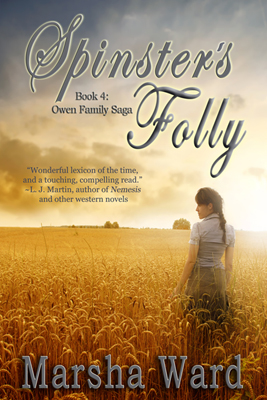
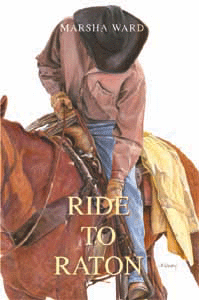
And next week, I’ll be interviewing Marsha Ward, whose fourth volume in the Owen Family Saga–SPINSTER’S FOLLY–just came out.

Originally posted 2012-11-07 06:00:57.

“Wednesday Writer” – Sarah M. Eden

Happy Halloween! While all of you are out either preparing for trick-or-treaters or getting your costumes finalized to go do it yourself, I am happily tucked away at the Rosario Marine Beach Lab for a wonderful 3-day Writer’s Retreat (the ANWA Northwest Writer’s Retreat). If you’re LDS, a woman, and you like to write, check out this retreat for next year.

In the meantime, it’s that day of the week again and I have another terrific writer to unpeel before your very eyes (not that I’m comparing her to an onion, mind you, but all writers have layers, I’ve found . . . Let’s consider her a sweet onion of the variety grown nearby in Walla Walla, Washington). :D

I first met Sarah M. Eden when we both took part in a self publishing panel discussion at the LDStorymakers Writers Conference back in 2009. As it turned out, she and I were Whitney finalists that year, along with another member of the panel–Joyce DiPastena. Since then, she’s gone on to be traditionally published, has an agent, and has become a must-have emcee at that very same writer’s conference. Oh, and by the way, she joined us up here near Deception Pass as our Writer in Residence for last year’s retreat!

Now let’s start pulling back the layers.

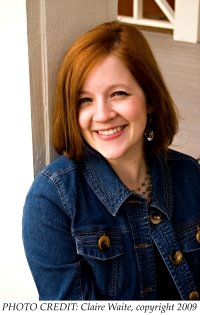
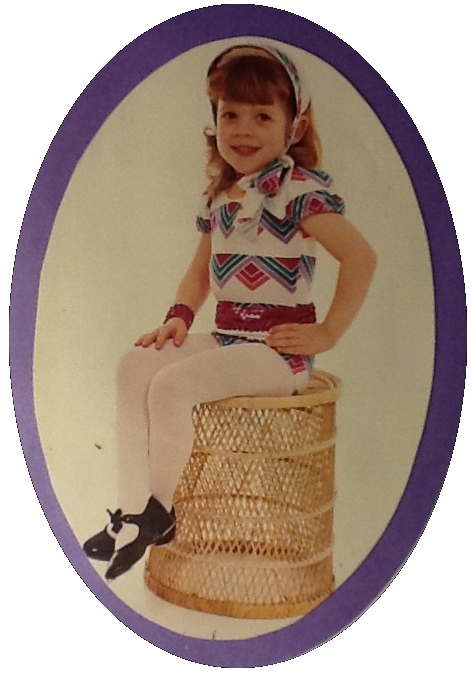
Me:  How old were you when you first realized the power of humor, and please describe the circumstances of that discovery? (And I’d love a picture of you at that age.)

Sarah:  I can’t remember a time when humor wasn’t a defining character trait of mine. It probably began in the womb–no, I don’t have a photo of that. (What? No ultrasound? Drat!)

My entire family is funny. Family dinners involved as much laughter as eating. The time an entire cooler of ice water spilled in the back of the minivan, the Noah’s Flood jokes went on for hours. Weeks. Okay, we actually still joke about it. My sister and I once spent an entire afternoon acting out a parody of the first two Twilight movies for our sister-in-law, complete with props and costumes, simply because it would be funny. (And you didn’t videotape it for YouTube? Have you thought about reprising it for a conference? Hint, hint.) My youngest brother was once attacked by a dog, leading to stitches and the services of a plastic surgeon. We responded in the usual way . . . a care package of doggy chew toys, kibble, and a greeting card that played “Who Let the Dogs Out.”

That’s just how we roll.

(Something tells me it’s genetic, too. Her daughter’s going to be just like her.)

Me:  Not counting “The Sun,” which you wrote at age 5 (and it sounds like it may have been one of those Kindergarten school assignments), what was the gist of the very first story you ever wrote (“The Mystery of the Broken Unicorn”), and do you still have it? Any plans to rewrite it?

Sarah:  Do I still have it? Do you doubt I would hold on to such a piece of literary mastery?! Of course I still have it. One might classify this magnificent story as a Middle Grade Fantasy. One might also classify it as horrible. One would be right on both counts. (Notice the voice change here? She’s definitely in her Regency voice.)

I begin the book by making note of the fact that the “pictures & words” are by me. That’s how you know you’re about to get quality. The story tells of a young girl whose mother has a glass unicorn on her dresser that the girl should “NEVER touch, no matter what.” So the girl, of course, touches it, and it puts a spell on her. That is the point where I wrote The End. No, really. That’s where I ended it. I didn’t know what to do next so I figured just calling it quits was the best option. (A very quick read…but a promising beginning.)

Isn’t she darling in her first dance costume?

Me:  Okay, why did you choose Social Science Research as a major when it’s apparent your true loves are literature and history? In other words, who convinced you to be practical?

Sarah:  I chose Social Science Research because it was fascinating. My emphasis was the impact of mass communication on societies, with focus on the role of emerging social media. My thesis, get this, hypothesized that emerging social media (this was in 2000) would be used to create virtual communities. *insert evil genius laugh here* Essentially, I predicted Facebook and Twitter. Someone owes me big bucks! (Well, when you put it that way…as Rosanne Rosanna Danna would say, “Never mind.”)

I still find research, be it historical, social, statistical, etc., endlessly enthralling. I love when pieces fall into place and a mystery begins to make sense. I get all giddy when I learn something new, especially something obscure. *insert evil genius laugh here*

Short answer: I’m an evil genius.

(And the Princess of Prescience!)

Me:  What was the basic plot of the short story for which you won 1st prize in the 2007 City of Glendale Short Story Competition? Any chance you’ll lengthen any of your short stories into novels?

Sarah:  Actually, I absolutely love that short story. I think it is one of the best things I’ve ever written. I have pondered many times expanding it into a full-length book, but the timing just hasn’t been right. Maybe some day. *sighs dramatically*

The story is about a 3rd Grader with a gambling addiction. No, it’s not an after-school-special type of moralizing book. It’s actually hilarious. And the main character is fantastic. (If I do say so myself.) (Hmmm…have we accidentally uncovered a layer from the author’s own past?)

Me:  After having seen both you and your husband “act” in “film,” I have to assume you both have experience in theater. Am I correct? If so, please provide details (and pictures).

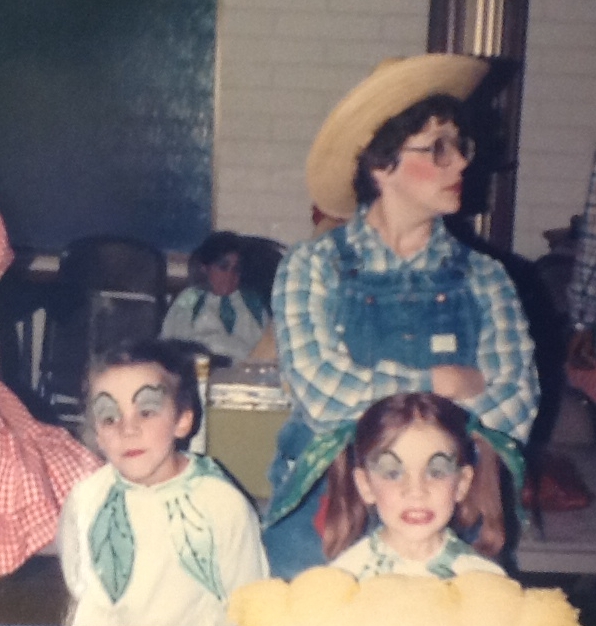
Sarah:  We have both spent quite a lot of time on the stage. I began my “career” playing a dead plant in a church roadshow, followed by an unemployed elf in the 6th grade Christmas play.

The red hair is a giveaway.

Junior High School saw me placed in the oh-so-glamorous position of pretty much everybody’s understudy. By High School, I had moved up in the world, playing a 5-year-old boy (Tiny Tim, A Christmas Carol), a 7-year-old girl (Marta Von Trapp, The Sound of Music), and eventually graduating to a teenager in Hello, Dolly! and Fiddler on the Roof. I found myself typecast as Hermia in A Midsummer’s Night Dream (for those of you keeping track at home, she’s the character who spends the entire play as the butt of everyone’s short jokes).

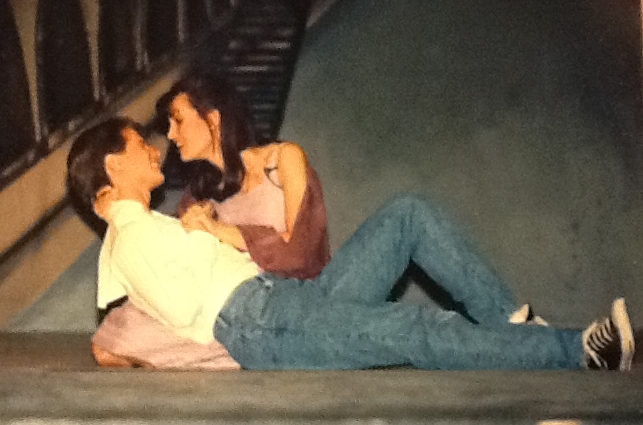
My husband did a lot of acting in High School, as well. He was in Taming of the Shrew and Cheaper By the Dozen, among others. He was dreamy Tony in West Side Story and played Sherlock Holmes in a community theater production.

Dreamy Tony in another woman’s arms

He has the look of a lead and the skills to get the job done. I was always a sidekick. A short sidekick. Or a child. But I’m not bitter. (Much.)

(Yeah, but who’s getting all the attention now? Am I right? Good things come to those who wait, no matter their size. :D)

Me:  Do you really have, as you put it in an interview with Donna Hatch, “a contraption made up of very large books, packing tape and the back of the sofa in my living room which allows me to type while spending some quality time with my elliptical machine while burning calories to which I’d rather not become too permanently attached”? (You said then that you’d rather not provide a picture, but I DO require a picture of your true writing space…as well as a description of it in either Regency terminology or in the voice of one of your children…please.)

Sarah:  The contraption changed a little last year when we replaced our couch. Fortunately, when you MacGyver a write-while-exercising-stand, it tends to be adaptable. The current incarnation involves a packing box, a wooden cutting board and a book of Broadway ballads arranged for the piano. Here is the catalog entry I am preparing for when I sell it and make my millions:

Do you have Writer’s Butt? Is your backside expanding with every rewrite? Does drafting your newest book get in the way of burning those extra pounds?

Introducing the ‘Tend to Your Deadline and Your Waistline’ computer stand. Finally, a contraption that meets the lazy writer’s needs. Exercise while you type and look good doing it!

(So where’s the picture?)

What? You want a picture? Sorry. I don’t give out that kind of classified information–not until the patent is secured.

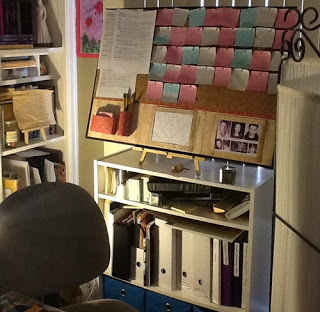
(Okay, what happened to the description in the voice of a Regency romance…or one of your children? Hmmm…I guess this is one writer’s lair that will remain secret in every sense…except…she let slip a clue on Facebook, so I think it’s only fair to share. Here’s a look at her plotting board.)

Aha! Part of her secret office.

(If you want the details behind the colorful board, you’ll have to check out her posting on her website here.)

Me:  You’ve also said that “writing requires a certain degree of mental instability.” How so? (And I mean this in all seriousness, as I’m most curious about the writer’s mind.)

Sarah:  Most people consider hearing voices in their head a reason to be concerned. Writers think of it as a running narrative for the scene they are writing.

A normal person would never think a fictional character of their own creation could argue with them, defy their orders, or make their own decisions. Writers embrace this without batting an eyelash.

Most people, if they wake up in the middle of the night with a random idea running through their mind, grumble a bit, roll over, and go back to sleep. Writers rush to write it down, unspeakable grateful to have finally worked through that sticky plot problem.

We pour our hearts and souls into a book we then willingly send out to the slaughter. We get rejected, criticized, ranked, Goodreaded (yes, that is now a verb) (In the same way as Amazoned?) and in many other ways alternately praised and excoriated, yet we keep going back for more rides on the pendulum of public opinion.

We are often insomniacs. We cry when we do horrible things to our characters even though we knew it was coming all along. We compare ourselves to Shakespeares and Miltons and then wonder why we never feel good enough. We can obsess over a single word for hours.

All of this and we love it anyway. This cannot be normal or entirely healthy. Mental Instability.

(Case closed.)

Me:  Which parent had the most influence on you as a writer, and how? (It would be nice to show a picture of the influential parent here.)

Sarah:  They both have influenced me. I couldn’t say one did more than the other. For the sake of answering the question, I’ll say that my mother is the one who first convinced me to seriously pursue writing.

Two influential parents. One cute couple!

I was sitting at her kitchen table bellyaching about how hard it was to find a sweet (think PG content) historical romance. I waxed long and irritated, likely using a great deal too much hyperbole. There may or may not have been references to the ridiculousness of so few sweet historicals on the shelf in light of all NASA’s accomplishments. My dear mother, rather than commiserate and accept my tendency toward dramatics, said, essentially, “So why don’t you write one yourself?”

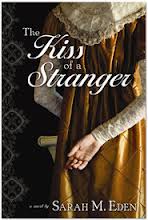
So I did. And I gave her a spiral-bound copy of that first book for Mother’s Day the next year. The book? THE KISS OF A STRANGER.

Me:  Which is more fun–research or writing? And why?

Sarah:  It’s a toss-up. For me, the two are so intertwined I can’t entirely separate them. The historical context of my books is always a huge part of plot, character, etc. So the research determines what I write, and what I write directs my research. (Sort of like the chicken and the egg, eh?)

I set aside one day each week that is entirely for research . . . no writing (unless I’m on a deadline and don’t have a choice). Some of that is research for a specific project. Some of it is just me devouring history and learning new things. I have found so many ideas for new books, or ways to enrich stories I’ve already thought of, through a steady, consistent approach to research. (Thanks for the tip! I may just be revising my weekly schedule.)

Writing makes me a happy person. Truly. I get so excited when a storyline comes together, when the characters become real right before my very eyes. I put a lot of prep work into my books and there is something extremely satisfying in seeing weeks, sometimes months of planning turn into a story I can be proud of.

Also, I don’t like edits. I like having edited, because the book is always better. But I don’t like doing it. *bleh*

Me:  Finally, what are you working on now, and how far down is your supply of Cheetos?

Sarah:  Cheetos and I had to go our separate ways a couple years ago. Apparently, my stomach and Cheetos have a great animosity for each other. Hatred, pure and simple. I have not yet found an adequate replacement. In fact, I feel a little lonely now when I write. *wipes tear*

(By the way, am I the only one that’s noticed how attuned Sarah is to stage direction, sound effects, etc.? Something tells me she ought to give screenwriting a try.)

Right now I am working on the sequel to a romance novel my agent (Hi, Pam!) is currently shopping. It, along with Book 1, takes place in 1870 in Wyoming Territory amongst a group of Irish Immigrants sharing a valley with a group of settlers who absolutely despises the Irish. Against the backdrop of this percolating feud, our heroine finds her heart being pulled by two very different men, all while trying to sort out a lifetime of her own pain and regrets. In the words of my 9-year-old daughter, “This book is magically delicious.”

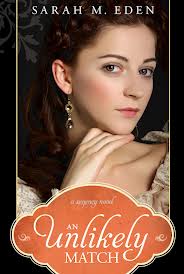
I am sure we’ll all agree once we finally get to read it. In the meantime, enjoy any of her others (SEEKING PERSEPHONE, COURTING MISS LANCASTER, FRIENDS AND FOES), including her latest: AN UNLIKELY MATCH.

And you can check out Sarah’s website here. I highly recommend her blog for reading that always entertains as well as informs.

Next week:  J. Lloyd Morgan

Originally posted 2012-10-31 06:00:04.

A Possible Career for Jason

A couple of weeks ago, I wasn’t surprised to see that Jason’s homework assignments all revolved around exploring his own preferences in terms of interests and possible careers. He took three different tests online, one of which I immediately recognized as a version of the Myers-Brigg Personality Indicator test.

You know the one. It asks you to choose your preference in various situations and it’s designed to discover whether you’re introverted or extroverted, intuitive or sensing, thinking or feeling, and perceptive or judging . . . or something like that. I recalled that when I took it, I ended up being an INFJ (introverted, intuitive, feeling, and judging). So I was curious to see where my son would end up on this other man-made “spectrum.”

I decided to watch and say nothing as he answered the various questions, though more than a few times as he answered, I had to bite my tongue because that wasn’t how I saw him at all. In fact, I got to wondering how accurate this test could be for someone who has a hard time stepping outside of himself enough to judge how different circumstances truly affect him. His first result: ISTJ.

He went on to take the other two shorter tests and then let the computer spit out the jobs that seemed a good fit. There was only one–some kind of housing inspector. Jason and I looked at that and then at each other and said, “What?”

I guess I shouldn’t have been surprised. After all, when I took one of these kinds of tests in college, I was told I was most suited to be either a Priest or a Rabbi.

Anyway, I encouraged him to take the personality test again and this time I prompted him a bit based on what I knew of my son. This second time around, he turned out to be INTJ and two main careers were suggested:

Desktop Publishing or Library Science. Both were a much better fit. Of the two, he said he’d prefer working in a Library.

I was happy to discover later, in a blog posting about careers suited to those with Asperger’s, that Library Science can be a good fit for Aspies.

In any case, based on those results, he’s begun to lay the groundwork for his college courses, with an eye toward earning either a Bachelor of Science degree in Interdisciplinary Studies (which can all be done online) or a Bachelor of Science degree in University Studies (which requires some courses toward the end in residence). In either case, he’s thinking he’ll focus on the areas of English, Communications, and Literature.

Finally, a glimmer of a plan for his future. YES!

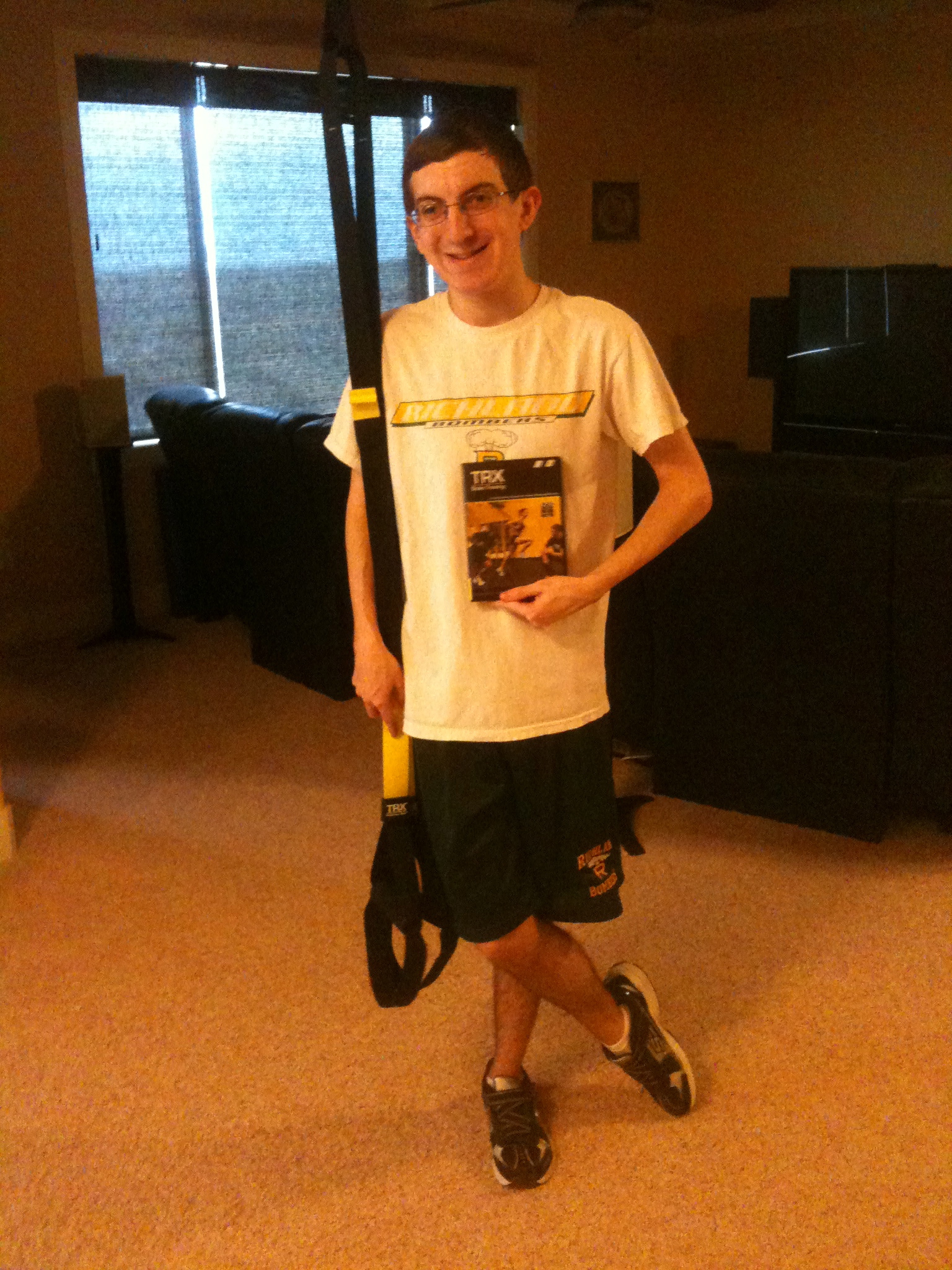
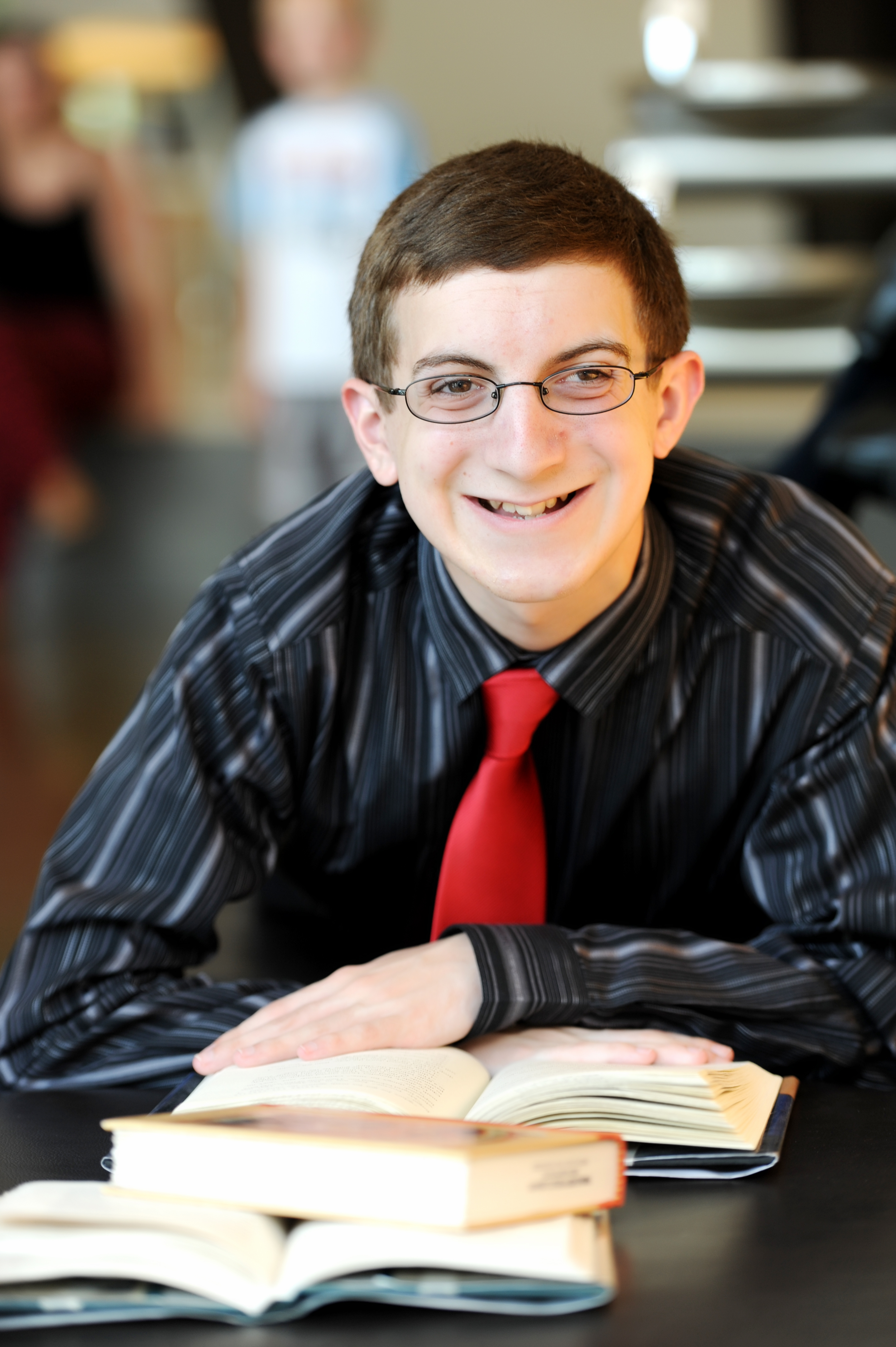
And how ironic it is that most of his senior pictures for high school were taken in our local library. Here’s one of my favorites:

Now my only concern is: With the rise of e-books, is the future of libraries in jeopardy? How will libraries change in the next five years, and will it still be a good fit for my son by the time he graduates?

Originally posted 2012-10-26 06:00:51.